Warsh: Bailouts and Crypto
Fed Nominee Kevin Warsh Advocates Limited Bailouts Amid Crypto Holdings Conflict Questions
Anonymous
Key Points
1
Warsh has substantial personal crypto exposure, with holdings estimated between $131 million and $209 million across more than 30 crypto assets, including describing Bitcoin as an "important asset" and comparing it favorably to gold.
2
He has historically argued against rescuing Lehman Brothers in 2008, framing intervention as something that would create unhealthy expectations that Wall Street firms would be protected from their own mistakes.
3
Elizabeth Warren has criticized Warsh’s role in coordinating crisis-era interventions, notably the AIG bailout, underscoring ongoing questions about potential conflicts of interest during his confirmation.
4
The GENIUS Act’s stablecoin protections require issuers to set aside reserves to back stablecoins, ensuring redeemability, but officials warned that a failure could still trigger financial market panic if stablecoins become widely used.
5
Warsh signaled optimism about the long-term impact of artificial intelligence on the U.S. economy while acknowledging potential short-term employment disruptions that warrant cautious, data-driven policy responses.
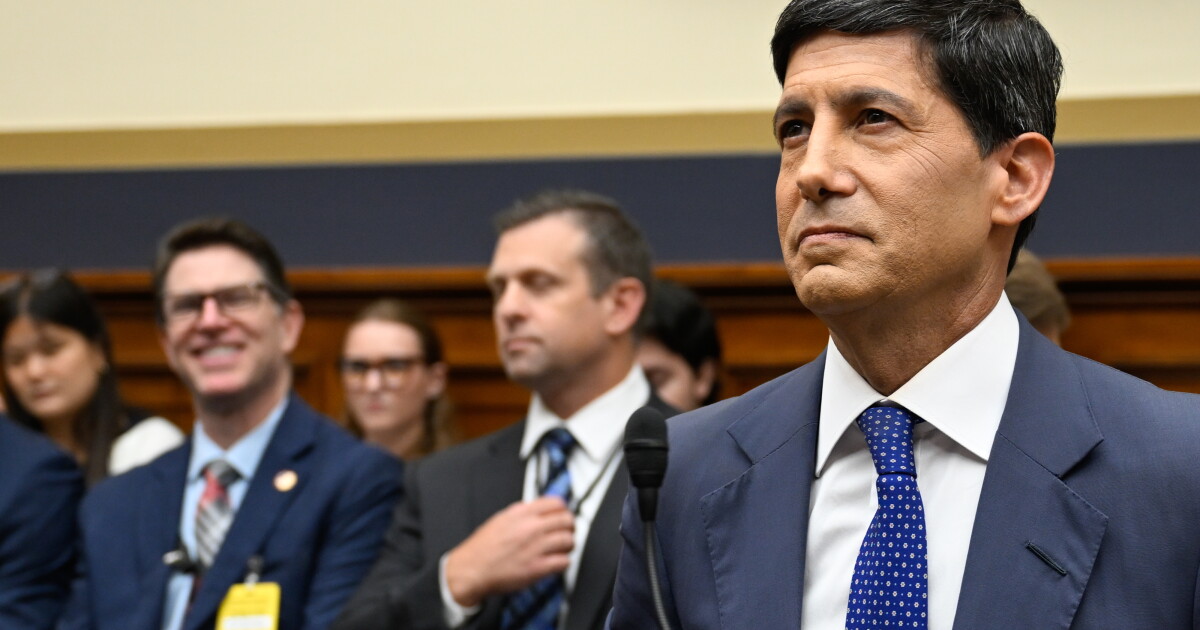
Federal Reserve Chair nominee Kevin Warsh told Congress the central bank does not want to be in the "bailout business" — and would not rescue crypto or stablecoins if they failed. But he stopped short of a blanket promise, refusing to rule out every future bailout in extraordinary circumstances, according to American Banker.
The testimony drew immediate scrutiny. Warsh holds between $131 million and $209 million in crypto assets spread across more than 30 tokens. Critics say that makes his assurances about crypto policy hard to take at face value, according to Yahoo Finance.
Warsh Draws the Line on Fed Rescues
Warsh pointed to the 2008 financial crisis to explain his position. He has long argued that rescuing Lehman Brothers would have sent the wrong signal — that Wall Street firms could take big risks and expect a government lifeline. He wants that expectation gone, according to American Banker.
Still, he would not say "never." He framed his position as wanting to avoid routine rescues while keeping the option open for truly extraordinary risks. That careful wording left room for follow-up questions from senators who wanted a cleaner commitment.
Crypto Holdings Put Warsh's Objectivity in Question
Warsh described Bitcoin as an "important asset" and compared it favorably to gold. But those comments landed differently once his financial disclosures came out. His crypto portfolio — spanning more than 30 assets worth up to $209 million — puts him in a direct conflict if the Fed ever had to act on digital asset markets, according to Yahoo Finance.
Senator Elizabeth Warren pressed hard on this point. She also cited his role in coordinating the AIG bailout during the 2008 crisis, arguing his record contradicts his current anti-bailout rhetoric. Warsh defended himself by saying he would follow the law and the data, and keep politics out of Fed decisions.
Stablecoins Could Still Spark a Market Panic
Warsh referenced the GENIUS Act, which requires stablecoin issuers to hold reserves so that holders can always redeem their tokens for cash. The law also gives stablecoin holders first claim on those reserves if an issuer goes bankrupt, according to Yahoo Finance.
But officials warned that protection has limits. Bankruptcy courts move slowly. If a major stablecoin issuer failed while stablecoins were widely used, the process could still trigger a panic in financial markets before any reserves were paid out. The Fed's hands-off stance on bailouts would make that panic harder to stop fast.
Warsh Sees AI as a Long-Term Economic Boost
On artificial intelligence, Warsh sounded cautiously optimistic. He said AI could be a significant long-term driver of U.S. economic growth. But he acknowledged that workers could face real disruptions in the short term as companies adopt new technology and cut certain jobs, according to Yahoo Finance.
He framed the Fed's response as data-driven and patient. Rather than getting ahead of trends that are still unfolding, Warsh said policymakers should watch the numbers and act carefully. That same cautious, data-first language ran through most of his testimony on bailouts, crypto, and Fed independence.
Sentiment
Mostly NegativeNEGATIVENEUTRALPOSITIVE
Publishers
10
Articles
4
Reach
14
A
AnonymousAuthor


