US-Iran Escalation.
Trump's new threats to Iran risk repeating old mistakes following ceasefire collapse.
Anonymous
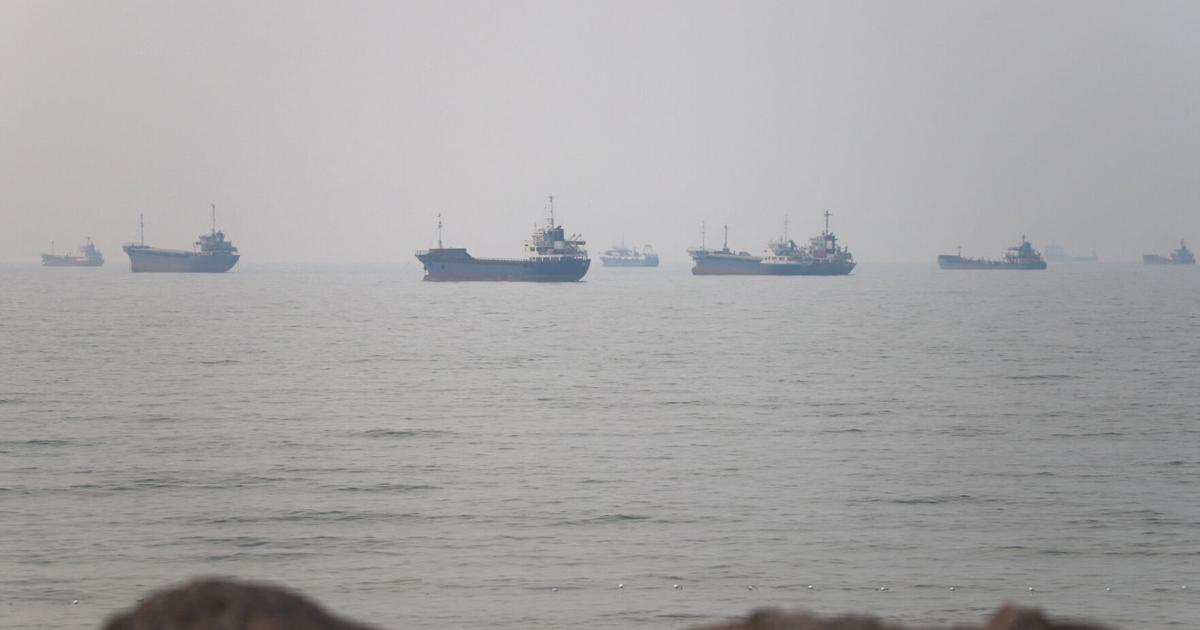
A ceasefire deal between the United States and Iran has collapsed, leaving President Trump in a difficult spot. According to Tulsa World, Trump is now trying to break Iran's control of the Strait of Hormuz — a narrow waterway where roughly 20% of the world's oil passes through — while pushing Tehran to accept his demands.
Analysts warn that Trump's escalating threats risk repeating the same mistakes that past administrations made when dealing with Iran. The collapse of the interim deal, reached just one month ago, has raised fresh fears of military conflict and an energy crisis tied to the strait's closure, The Independent reported.
How the Ceasefire Fell Apart in Weeks
The interim ceasefire was struck about a month ago and was meant to give diplomats time to reach a broader agreement. But talks broke down quickly. Neither side could agree on key terms, including limits on Iran's nuclear program and the future of U.S. sanctions, according to Missoulian.
With no deal in place, Trump returned to a strategy of public threats and economic pressure. His team is now weighing options that range from tighter oil sanctions to potential military action. Critics say this mirrors failed pressure campaigns from both his first term and the Obama years — none of which forced Iran to fully abandon its nuclear ambitions.
Iran's Chokehold on the Strait of Hormuz
The Strait of Hormuz sits between Iran and Oman. It is only 21 miles wide at its narrowest point. About one-fifth of the world's oil supply moves through it every day. Iran has long threatened to close the strait if it feels backed into a corner, Greensboro News & Record noted.
If Iran were to block the strait, oil prices could spike sharply — some analysts have previously estimated a jump of $30 to $50 per barrel within days. That would send fuel costs soaring for American drivers and businesses. Trump is now trying to pressure Iran without triggering that exact outcome, a delicate balancing act that has stumped U.S. presidents for decades.
Old Playbook, New Risks for Trump
Trump used a 'maximum pressure' campaign against Iran during his first term, reimposing sweeping sanctions after pulling out of the 2015 nuclear deal. Iran's economy shrank, but Tehran did not give up its nuclear program. Instead, it expanded uranium enrichment to 60% purity — far above the 3.67% limit set in the old deal, York News-Times reported.
Experts say the same dynamic is at play now. Threats alone have not changed Iran's core behavior in the past. Without a credible diplomatic off-ramp, Iran has little incentive to back down. 'Maximum pressure without maximum diplomacy just pushes both sides closer to a mistake,' one regional analyst told The Eagle.
What Comes Next and What Is at Stake
The Trump administration has not ruled out military action, but officials have not confirmed any specific plans either. The Gulf region is already on edge. U.S. naval forces are stationed nearby, and any miscalculation near the Strait of Hormuz could trigger a rapid escalation, Columbus Telegram reported.
Global oil markets are watching closely. Energy traders are already pricing in a small risk premium tied to the standoff. A full closure of the strait — even for just a week — could disrupt millions of barrels of daily oil supply and push global economies toward recession. Both sides have strong reasons to avoid that outcome. Whether they will is the central question right now, Poststar noted.
Sentiment
NeutralNEGATIVENEUTRALPOSITIVE
Publishers
23
Articles
22
Reach
23
A
AnonymousAuthor


