Qatari Gas Exports Collapse
Qatar LNG exports plunge 96 percent over six months amid US-Iran war.
Anonymous
Key Points
1
Ras Laffan, the world's largest LNG export plant, was targeted early in the conflict, and a separate March attack reduced Qatar's export capacity by about 17%, with repairs potentially taking up to five years.
2
Qatar's sovereign wealth fund, the Qatar Investment Authority, is estimated to hold about $500 billion in buffers to weather shocks, even as the IMF projects an 8.6% contraction this year—the largest among Gulf states.
3
Before the war, Qatar supplied roughly one-fifth of the world's daily LNG demand, underscoring how sudden disruptions reverberate across global gas markets.
4
Europe's gas storage has fallen to a historic low for the time of year due to LNG disruptions, leaving the continent vulnerable to price spikes in a potential cold winter.
5
Oil flows from other Gulf states—Saudi Arabia, the UAE, Iraq and Kuwait—have declined as a result of the disruption, but their losses have been far smaller than Qatar's gas hit.
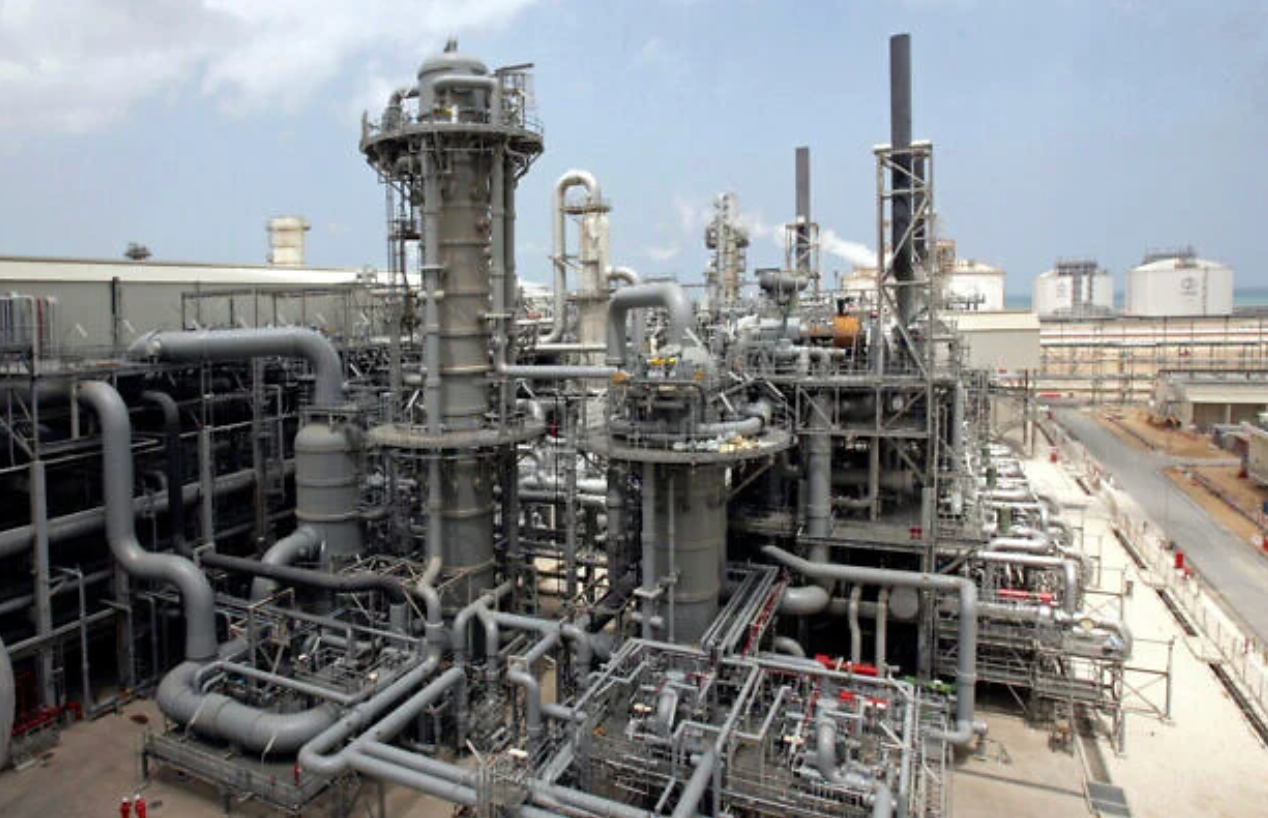
Qatar's liquefied natural gas exports have collapsed 96% over six months amid the US-Iran war, plummeting from 509 cargoes to just 18, according to Reuters. The catastrophic drop has cost the Gulf state roughly $24 billion in lost revenue and left global energy markets scrambling for alternatives OilPrice. Attacks on Ras Laffan, the world's largest LNG export facility, have crippled Qatar's main source of income and triggered budget cuts of up to 30% across government agencies.
Ras Laffan Crippled by Targeted Strikes
The conflict's opening moves devastated Qatar's LNG infrastructure. Ras Laffan, which supplies about one-fifth of global daily LNG demand, was hit early in the war. A second strike in March reduced export capacity by roughly 17%, according to IndexBox. Repairs could take up to five years, leaving the facility unable to recover its pre-war output anytime soon.
Shipping Routes Blocked, Tankers Attacked
The Strait of Hormuz blockade has strangled Qatar's ability to move gas to market. Two Qatari LNG tankers have been attacked during the conflict, highlighting the extreme risk to Gulf energy shipments HeadTopics. This chokepoint disruption forces traders to take longer, costlier routes—adding weeks to delivery times and squeezing already-thin profit margins on each cargo.
Europe Faces Historic Gas Storage Low
Qatar's collapse has left Europe dangerously exposed. The continent's gas storage has fallen to a historic low for this time of year, according to Freedom969. Without Qatar's steady LNG supply, Europe must now rely on US exports and spot-market purchases—both more expensive and unpredictable. A cold winter could trigger severe price spikes and shortages across the continent.
Qatar's Sovereign Fund Buffers Historic Losses
Qatar's Qatar Investment Authority holds an estimated $500 billion in sovereign wealth reserves—a crucial financial cushion. Despite this, the IMF projects an 8.6% economic contraction this year, the largest among all Gulf states OilPrice. Government budgets have been slashed by up to 30%, and overseas aid reduced by about 85%. Other Gulf oil exporters—Saudi Arabia, the UAE, Iraq and Kuwait—have suffered far smaller losses, making Qatar the conflict's economic standout victim.
Sentiment
Mostly NegativeNEGATIVENEUTRALPOSITIVE
Publishers
16
Articles
83
Reach
99
A
AnonymousAuthor


