Chili Coverage Expands to Seasonal Comfort Meals
Chili Coverage Expands to Seasonal Comfort Meals
Anonymous
Key Points
1
The Cuban-style oxtail recipe calls for browning the meat in batches, then braising it at 300°F for about 3½ hours until it is tender and beginning to fall off the bone; the sauce is subsequently reduced on the stovetop for roughly 30 minutes.
2
The oxtail dish builds its sauce with a sofrito of Spanish onion, ají cachucha peppers, garlic and culantro, along with tomato paste, wine, bay leaves, oregano, cumin, sazón, cayenne and pimento-stuffed olives.
3
The dark-chocolate technique is rooted in long-standing Mesoamerican foodways: cacao consumption dates to at least the second millennium BCE, and savory uses include Mexican moles and Guatemalan pepián, whose recado combines roasted chiles, tomatoes, seeds and spices.
4
The forecast accompanying the cooking coverage called for a 100% chance of rain, about half an inch of precipitation, light and variable winds, and temperatures near 74°F during the day and 61°F overnight.
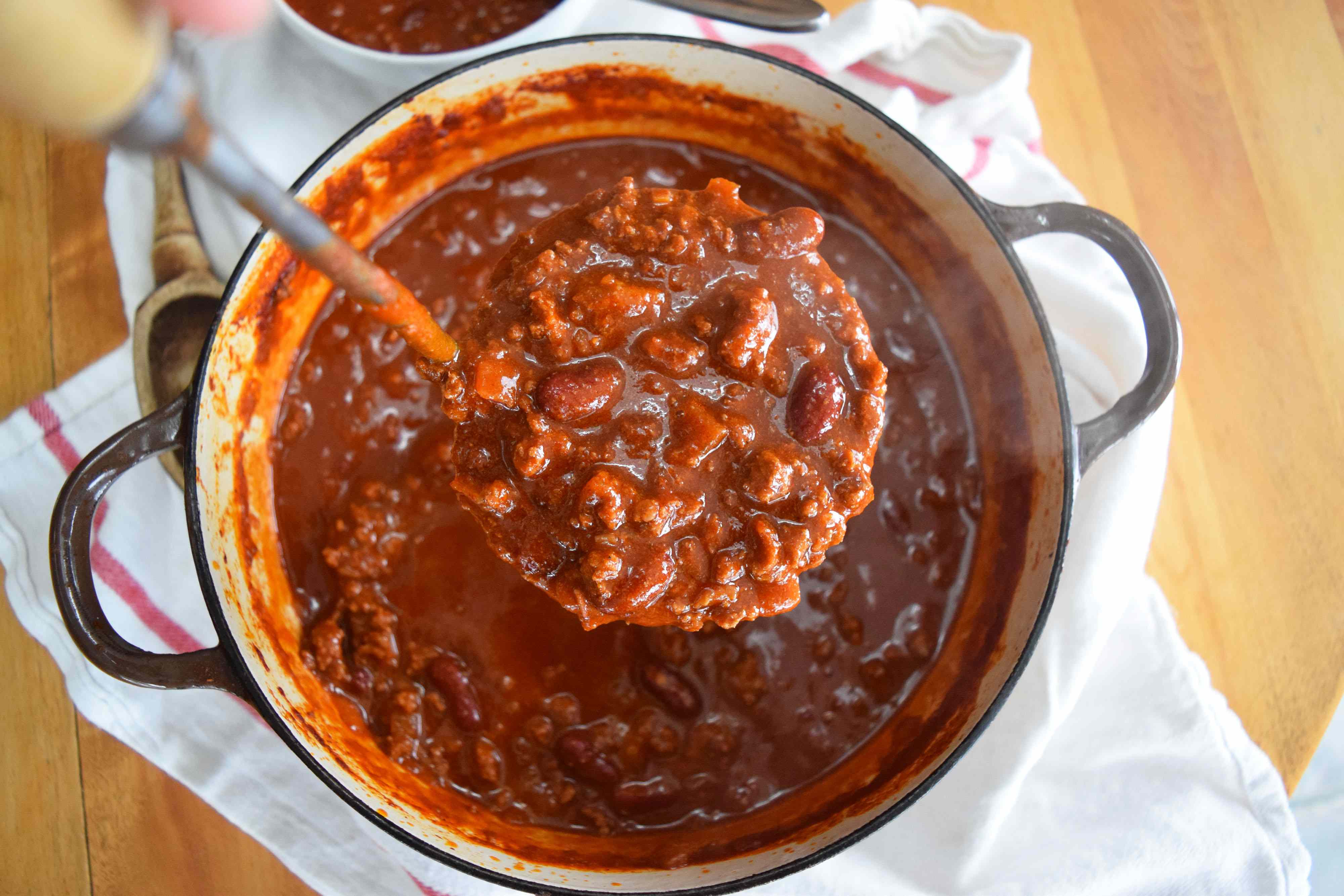
As winter weather sets in, home cooks are turning to chili and hearty bean stews for seasonal comfort. Recipes ranging from slow-cooker classics to unexpected twists—like Serious Eats's dark chocolate addition—are gaining attention for their ability to transform simple ingredients into warming, flavorful meals that satisfy both body and soul.
Dark Chocolate Adds Depth to Bean Stews
A pinch of dark chocolate can elevate bean stews and chilis from good to exceptional. Serious Eats reports that dark chocolate adds rich, roasted depth and a subtle bittersweet note that enhances savory broths without tasting like dessert. This technique draws from ancient Mesoamerican culinary traditions dating back to at least the second millennium BCE, when cacao was first used in savory dishes.
Mexican moles and Guatemalan pepián are traditional examples of chocolate's savory potential. Pepián, a thick sauce, combines roasted chiles, tomatoes, seeds and warming spices—a flavor profile that pairs naturally with chocolate's subtle bitterness. Modern home cooks can borrow this technique by stirring in a small piece of dark chocolate near the end of cooking.
Cuban-Style Oxtail Brings Island Flavors Home
Cuban braised oxtail offers a deeply satisfying alternative to ground-beef chili. The meat is browned in batches, then braised at 300°F for about 3½ hours until it becomes tender and begins to fall off the bone. The braising liquid is then reduced on the stovetop for roughly 30 minutes to concentrate flavors and thicken the sauce.
The sauce builds layers of flavor with sofrito—a Spanish base of onion, ají cachucha peppers, garlic and culantro. Tomato paste, wine, bay leaves, oregano, cumin, sazón and pimento-stuffed olives add complexity and brightness. Served over rice with black beans and plantains, this dish transforms a tough cut into pure comfort.
Customizable Chili Adapts to Every Taste
Slow-cooker chili has become the go-to recipe for busy home cooks seeking flexibility. Toppings, meat choices, bean types and spice levels can all be adjusted to match personal preference. Whether made with ground beef, sirloin or left vegetarian, scratch-made versions beat canned options in both flavor and control over ingredients.
The Kitchn highlights how simple recipes like ham and bean soup capture nostalgia and warmth without demanding much effort. Italian seasoning and humble pantry staples transform basic ingredients into flavor-packed dishes perfect for cooler months. These recipes remind us that comfort food doesn't require hours of prep—just good ingredients and patience.
Creative Chili Toppings Turn Dinner Into Dessert Vibes
Beyond traditional toppings, creative cooks are experimenting with chili presentations. Cowboy chili pot pie layers beef, beans and corn under a cheesy cornbread crust. Chili topped with cornbread stuffing transforms the meal into something between dinner and comfort-food indulgence. These variations prove that chili's versatility extends far beyond the bowl.
Sentiment
Mostly NegativeNEGATIVENEUTRALPOSITIVE
Publishers
17
Articles
12
Reach
29
A
AnonymousAuthor