Boosting SM-3 Missile Defense
Pentagon Expands SM-3 Missile Production With Boeing and RTX to Strengthen Sea Defense
Key Points
The agreements with Boeing and RTX span seven years, signaling a long-term ramp-up plan for SM-3 Block IB and Block IIA production beyond a single procurement cycle.
The deals are framed under the Arsenal of Freedom initiative and the Department of War's Acquisition Transformation Strategy, which aim to reduce bureaucratic barriers and enable direct engagement with suppliers to accelerate defense production.
Bob Ciesla of Boeing Precision Engagement Systems described the SM-3 as an essential part of the layered air and missile defense architecture and said the arrangement provides a clear demand signal to build interceptors to counter evolving threats.
The initiative is part of a broader defense-industry push, including a separate agreement with Lockheed Martin to increase production of PAC-3 Missile Segment Enhancement seekers, indicating coordinated upgrades across multiple sea-based defense components.
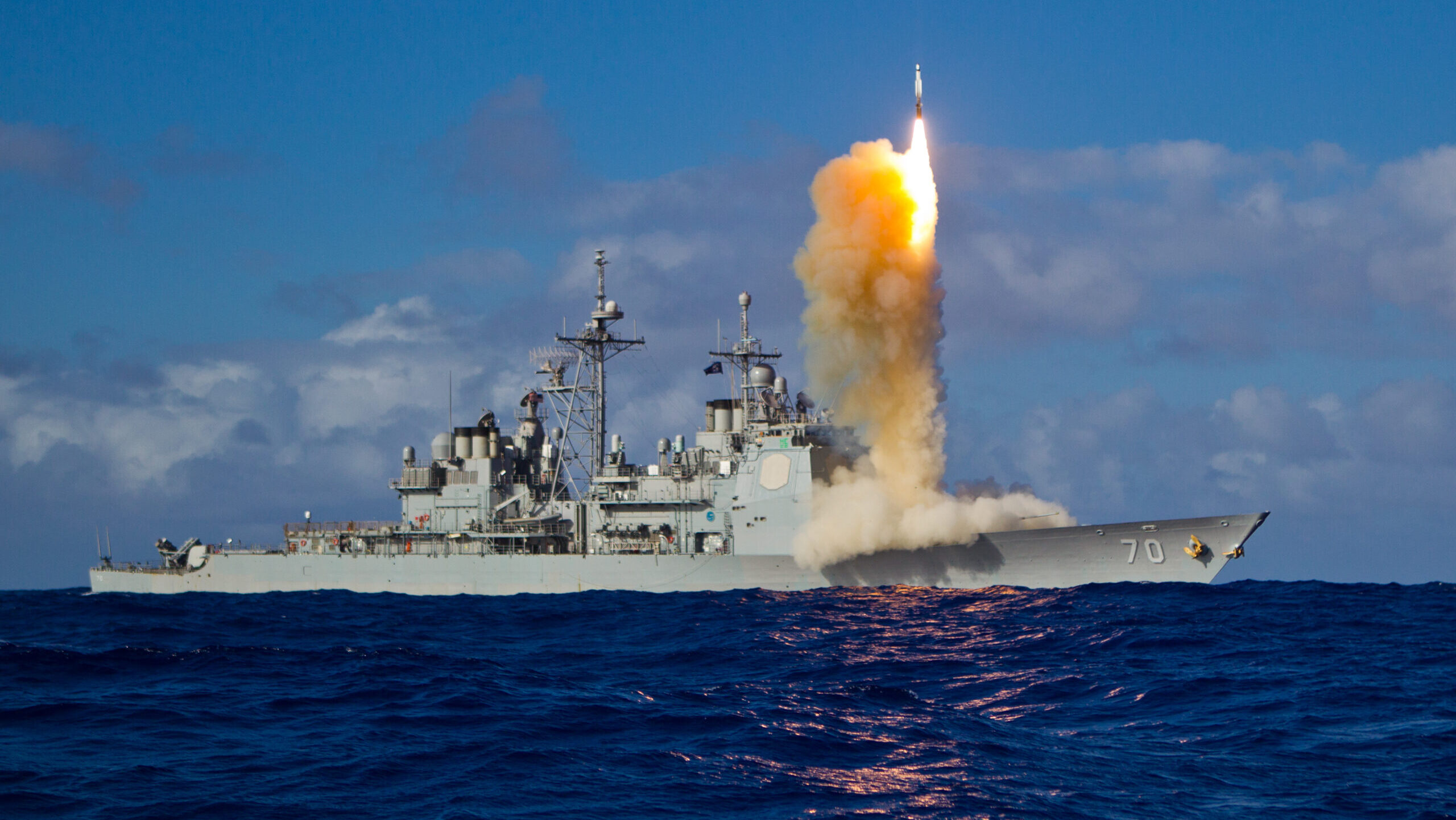
The Pentagon has signed seven-year framework agreements with Boeing and RTX to boost production of the Standard Missile-3 (SM-3), a key interceptor used by the U.S. Navy's Aegis defense system. The deals cover critical parts for both the SM-3 Block IB and Block IIA variants, including avionics and ejector assemblies, according to Breaking Defense.
The move signals a long-term push to put the U.S. defense industry on a wartime footing. Defense Daily reported that Boeing will lead component production under the framework, with the deals designed to support higher output rates well ahead of any single procurement contract.
SM-3 Deals Tied to Arsenal of Freedom Push
The agreements fall under the Department of Defense's Acquisition Transformation Strategy and its "Arsenal of Freedom" initiative. The goal is to cut red tape and let the Pentagon work directly with suppliers to speed up production. Michael P. Duffey, a senior defense official, said the deals ensure "warfighters receive the munitions needed to win."
Defence Industry Europe noted that the seven-year timeline gives Boeing and RTX a clear, long-range demand signal. That matters because building missile components requires years of planning and investment before a single interceptor rolls off the line.
Boeing and RTX Describe SM-3 as a Layered Defense Cornerstone
Bob Ciesla, head of Boeing Precision Engagement Systems, called the SM-3 "an essential part of the layered air and missile defense architecture." He said the framework gives Boeing the signal it needs to build interceptors fast enough to counter evolving threats. The SM-3 is ship-fired and designed to shoot down ballistic missiles in flight.
RTX, which makes the Raytheon-branded missile systems, is partnering with Boeing on the component work. Breaking Defense said the deal covers avionics and ejector assemblies — parts that must be produced well in advance to hit higher output targets for both Block IB and Block IIA variants.
Stocks Rise as Pentagon Broadens Missile Production Push
Boeing and RTX shares rose after the deals were announced, according to Yahoo Finance. Seeking Alpha also flagged investor interest in both companies following the news, reflecting Wall Street's read that long-term Pentagon demand for missile interceptors is growing.
The SM-3 agreements are not alone. The Pentagon is also working with Lockheed Martin to increase production of PAC-3 Missile Segment Enhancement seekers. That deal, reported alongside the SM-3 news, points to a coordinated effort to upgrade multiple layers of U.S. missile defense at once.
Seven-Year Window Aims to Close Supply Chain Gaps
One of the biggest problems in defense production is the gap between when a contract is signed and when parts actually arrive. Seven-year frameworks help fix that by giving suppliers enough runway to hire workers, buy equipment, and plan factory capacity. Defence Industry Europe said the deals are designed to strengthen supply chains and reduce those delays.
The Aegis system, which uses the SM-3 as its primary long-range interceptor, protects U.S. Navy ships and allied fleets. Faster SM-3 production means more ships can be equipped and ready. The Pentagon framed the entire effort as building a stronger sea-based missile defense network for the U.S. and its allies.
Sentiment
Mostly NegativePublishers
20
Articles
89
Reach
109