Russia Oil Strike
Ukrainian Drone Strike Hits St. Petersburg Oil Terminal, Intensifying Russia's Fuel Crisis
Anonymous
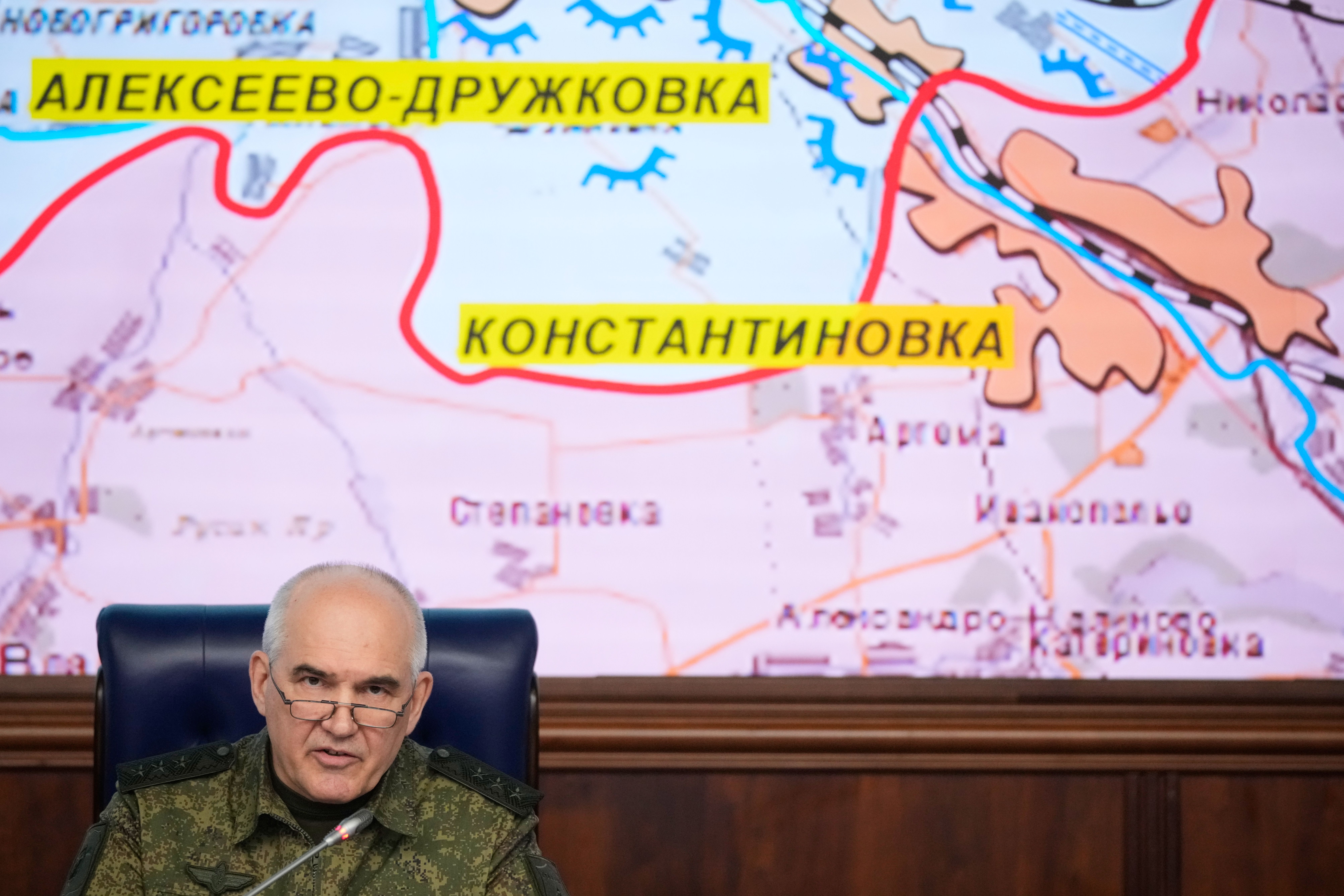
Ukrainian drones struck an oil terminal in St. Petersburg on Tuesday, hitting Russia's second-largest city in one of the longest-range attacks of the war, according to AP News. The strike is part of what Ukraine calls its "long-range sanctions" — a campaign targeting Russia's energy infrastructure to drain war funding and squeeze the Kremlin economically.
The attack set off fires at the terminal and added to a growing fuel crisis inside Russia. The Independent reported that the strikes are shattering Putin's narrative that the war does not affect ordinary Russians — bringing the conflict directly to one of the country's most prominent cities.
Drones Reach Deep Into Russian Territory
St. Petersburg sits roughly 1,400 kilometers from the Ukrainian border — making this strike a dramatic show of Ukraine's growing long-range drone capability. AP News reported that the oil terminal was clearly ablaze after the attack. Ukrainian officials did not immediately claim responsibility, which is standard practice for sensitive strikes inside Russia.
Ukraine has launched a wave of drone attacks on Russian oil facilities in recent months. The goal is straightforward: cut off the fuel and revenue Russia uses to fund its invasion. Winnipeg Free Press reported that the campaign has already contributed to a fuel crisis inside Russia, with prices rising and supplies tightening in several regions.
Putin Calls Strikes 'Not Critical' But Pressure Mounts
Russian President Vladimir Putin publicly dismissed the drone campaign, saying the strikes are "not critical" and that Russia's war effort will continue until his goals are met. But the tone inside Russia tells a different story. Fuel shortages and rising prices are hitting ordinary citizens, and the sight of fires near St. Petersburg is hard to spin as business as usual.
WRAL reported that the attacks are increasing political pressure on the Kremlin. Keeping the war invisible to the Russian public has been central to Putin's strategy. Drone strikes on major Russian cities make that much harder to do.
Ukraine's 'Long-Range Sanctions' Target Russia's Energy Spine
Ukraine has framed its drone strikes on oil infrastructure as economic warfare — a substitute for the trade sanctions that Western countries have imposed but that Russia has partly worked around. By hitting refineries, storage depots, and terminals directly, Ukraine aims to do what export bans alone could not: physically disrupt Russia's ability to produce and move oil.
The Independent reported that multiple oil facilities across Russia have been hit in recent months. The St. Petersburg terminal is among the most high-profile targets yet. Energy exports are the backbone of Russia's war budget — analysts estimate oil and gas revenues fund roughly a third of the Russian federal budget.
War Comes Home for Russians Far From the Front
For most of the war, fighting has been confined to Ukraine's east and south. That has allowed Putin to market the invasion as a distant "special military operation" that doesn't touch daily life in major Russian cities. Drone strikes on Moscow, Pskov, and now St. Petersburg are eroding that illusion fast.
WFMZ reported that the attacks are bringing the reality of war home to millions of Russians who had little direct experience of the conflict. With St. Petersburg — a city of over 5 million people and one of Russia's most iconic — now visibly under attack, the political calculus inside Russia grows more complicated for the Kremlin.
Sentiment
NeutralNEGATIVENEUTRALPOSITIVE
Publishers
6
Articles
6
Reach
6
A
AnonymousAuthor


