Iran Conflict Escalates
Trump Pushes Higher Gas Prices Amid Iran Standoff, Strait Disruptions; US Policy Shifts.
Key Points
Only two vessels passed through the Strait of Hormuz on Friday, with no crude oil shipments observed, according to ship-tracking firm Kpler, underscoring continued disruption to tanker traffic.
Iran’s Deputy Foreign Minister Kazem Gharibabadi said the Strait would be opened and closed only under Iran’s command and urged Washington to accept 'the reality of defeat' before shipping could resume.
The UAE accused Iran of attacking a third vessel in the region, adding to perceived risks to shipping routes through the Hormuz chokepoint.
U.S. gasoline prices were around $4.08 per gallon, up about 29% from a year earlier according to AAA data cited in coverage.
Iranian officials argued that the Strait cannot be seized through a political declaration or a military show of force, countering Trump’s rhetoric about seizing Hormuz.
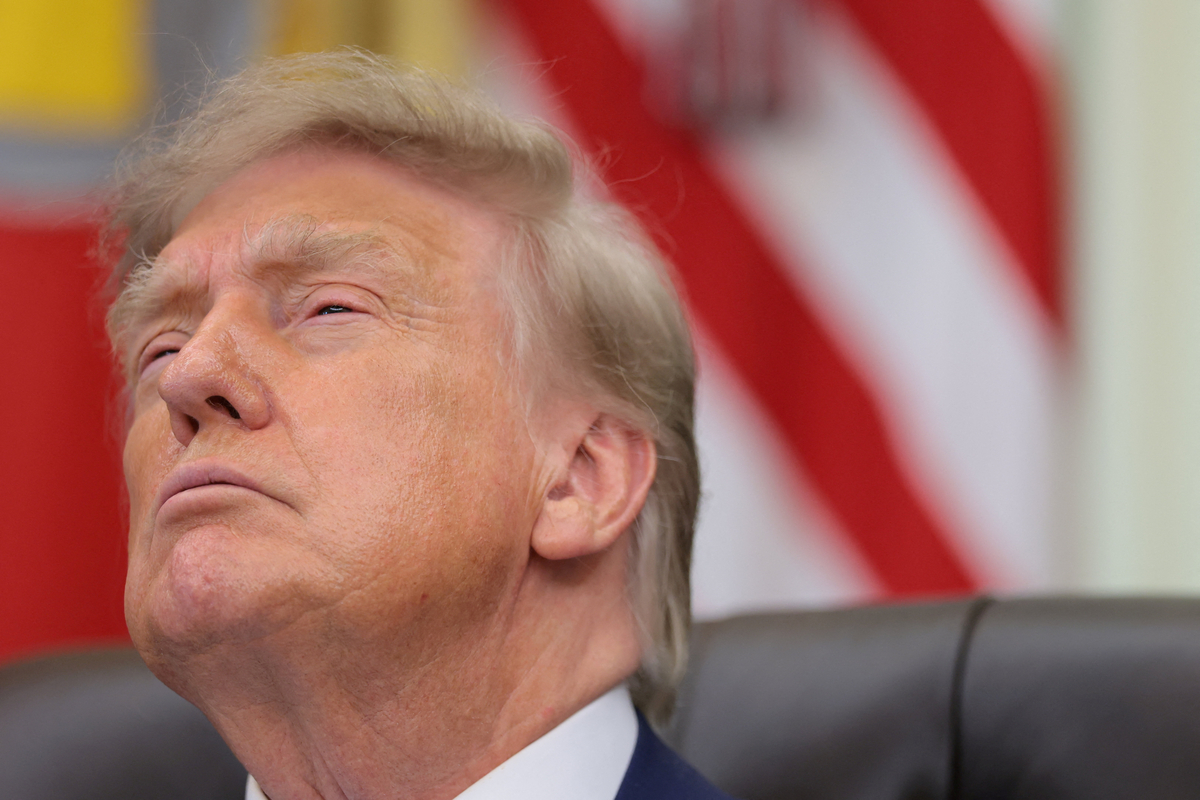
President Donald Trump told Americans at a New York rally on Friday to pay "a tiny little bit more for your gasoline" to keep Iran from getting a nuclear weapon — then went further, claiming: "Pretty soon I'll be declaring the Hormuz Strait a territory of the United States." Iran fired back the next day, with Deputy Foreign Minister Kazem Gharibabadi writing that the Strait "cannot be seized with a tweet, an aircraft carrier, an order, or an election speech."
The clash in rhetoric comes as the Strait of Hormuz has nearly stopped moving goods. Ship-tracking firm Kpler confirmed only two vessels crossed the waterway on Friday, with zero crude oil shipments. Before the war began in February 2026, 130 to 140 ships passed through every day. U.S. gas prices now average $4.08 per gallon — 29% higher than a year ago.
Trump's War Goals Shift Toward Cheap Gas at Home
Vice President JD Vance made a striking admission on Fox News on August 13. He said keeping "oil and gasoline cheap for Americans" is goal number one — and stopping Iran from getting a nuclear weapon is only goal number two. That is a sharp reversal from how the war was sold when the U.S. and Israel launched strikes on February 28, 2026, with the stated aim of total denuclearization and regime change.
Treasury Secretary Scott Bessent backed Vance's framing by promising "economic isolation like the world has never seen before" alongside the continued blockade. The administration plans to liquidate roughly $24 billion in frozen Iranian assets and redirect the money to Gulf allies. Press Secretary Karoline Leavitt tried to call both goals "equally important," but the public split between Trump and his own team was hard to miss.
Hormuz Shipping Has Nearly Stopped, Prices Keep Climbing
The Strait of Hormuz carries about 20 million barrels of oil per day in normal times — roughly one-fifth of the world's supply. That flow has all but stopped. When the Strait first closed, 53 major container ships were trapped inside the Gulf. According to Kpler, 42 of them — 79% — are still stuck there with no way out. The International Energy Agency has called this the largest supply disruption in the history of the global oil market.
American drivers are feeling it directly. Regular gas averaged $4.08 a gallon as of mid-August, up from $3.18 a year earlier, according to AAA data. Diesel has topped $5.00 a gallon. Democrats have seized on the numbers, pointing out that Trump won the 2024 election partly on a promise to slash energy costs. The 2026 midterms are now just months away.
Iran Tells Washington to Accept Defeat, Blocks Talks
Tehran is in no hurry to reopen the waterway. Gharibabadi posted on X that the Strait "will be closed and opened only under Iran's command" and told the U.S. to accept "the reality of defeat" before any shipping resumes. Iranian Foreign Minister Abbas Araghchi added that while Qatar and Pakistan have passed messages between both sides, those exchanges "do not constitute negotiations."
Analyst Torbjorn Solvedt of risk firm Verisk Maplecroft explained why Iran is holding firm. He noted that "Iran's ability to restrict shipping through the strait is its main source of leverage in negotiations." The UAE added more pressure on Saturday, accusing Iran of attacking a third vessel in the region — including an overnight strike on an Abu Dhabi National Oil Company ship.
A Ceasefire Collapsed — and the Blockade Got Worse
There was a brief moment of calm. On June 18, 2026, Trump and Iranian President Masoud Pezeshkian signed a deal to temporarily reopen the Strait. Gas prices dipped just below $4.00 a gallon. But the truce broke down within weeks. Iran demanded sanctions relief and financial compensation. Trump counter-demanded that Iran pay the U.S. for decades of proxy war losses. Neither side budged, and the blockade snapped back into place.
By August 14, U.S. Central Command reported its forces had redirected 62 commercial vessels, disabled three, and boarded two during blockade enforcement. Iranian official Ali Nehbandani warned that any further hostile actions "will be met with retaliation at a higher cost," according to Crypto Briefing. With negotiations stalled and new sanctions coming, the path back to $3 gas looks very far away.
Sentiment
Mostly NegativePublishers
68
Articles
386
Reach
454


