Sudan Famine Crisis
Sudan war leaves twenty-five million facing acute hunger amid severe humanitarian crisis.
Anonymous
Key Points
1
Historical accounts say the 1684 famine during the Funj Sultanate caused severe grain shortages, mass displacement and a deadly smallpox outbreak; some people were reportedly driven to eat dog meat.
2
Justice Africa Sudan says remittances from Sudanese abroad—an important support for many households—are weakening because of prolonged hardship and global inflation, while food and essential commodity prices have more than doubled in a month.
3
The group says famine has already been declared in parts of the Nuba Mountains under SPLA/M-North control and accuses the government in Port Sudan of denying the scale of the crisis.
4
The Sudanese National Human Rights Observatory said the reported kindergarten ceremony reflected the transformation of educational institutions into sites of mobilization and indoctrination, and argued that involving children in military demonstrations and having them carry weapons could constitute a war crime if verified.
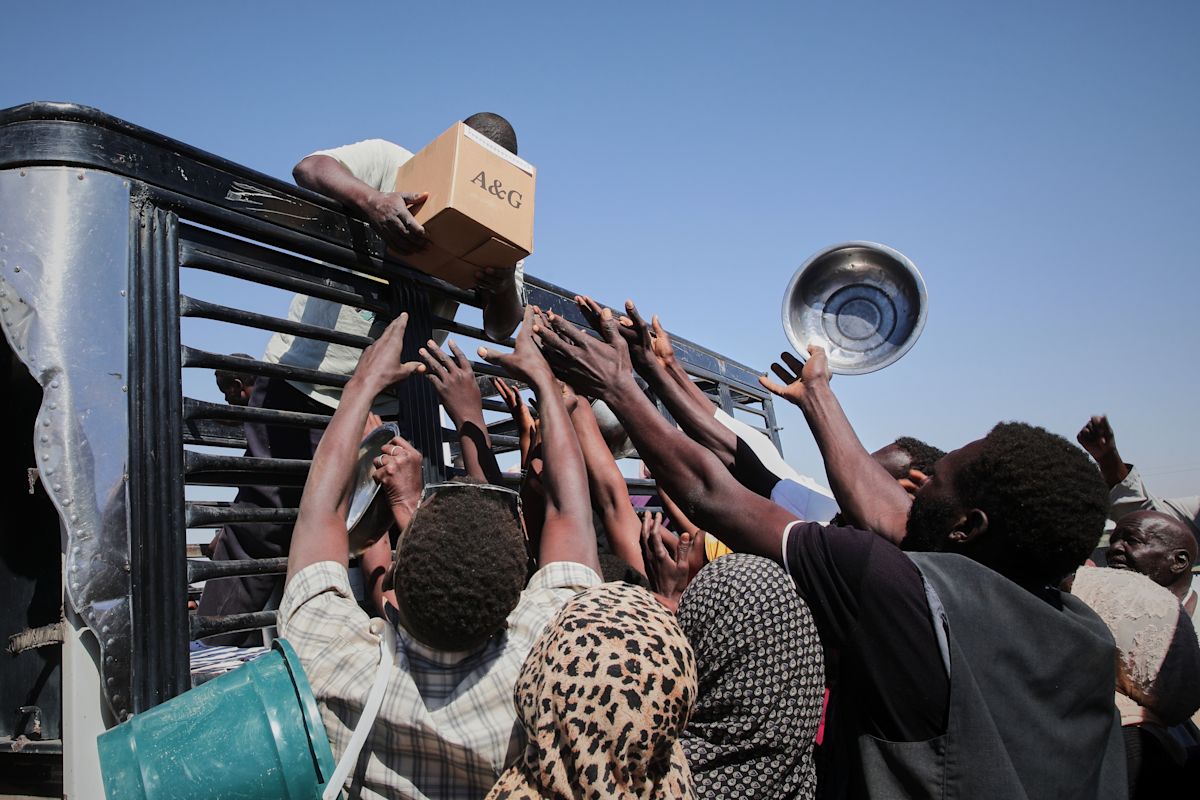
Sudan's war between the Sudanese Armed Forces and the Rapid Support Forces has pushed 25 million people into acute hunger, marking one of the country's worst food crises in modern history. Africa Newsroom reports that displacement and food insecurity are worsening as violence escalates, with famine conditions already declared in parts of the Nuba Mountains and UNICEF warning that over 825,000 children could die from severe malnutrition this year.
The catastrophe echoes Sudan's devastating famines of centuries past, but today's crisis is driven primarily by warfare rather than drought alone. Yahoo News reports that both the Sudanese army and Rapid Support Forces are using sieges, road blockades, and aid restrictions as weapons of starvation, while poor rainfall, abandoned farms, and economic collapse compound the disaster.
How Warfare Weaponizes Hunger Against Civilians
Justice Africa Sudan documents systematic deprivation tactics: both sides destroy markets, block roads, and restrict humanitarian access to starve populations. The group reports 10 million displaced people and nearly 5 million facing emergency hunger—where families skip meals for days. Food and commodity prices have more than doubled in a single month, while remittances from Sudanese living abroad are weakening due to prolonged hardship and global inflation.
Famine Conditions Spread Across Northern and Central Regions
Famine has already been formally declared in parts of the Nuba Mountains controlled by the SPLA/M-North, according to Justice Africa Sudan. The government in Port Sudan denies the scale of the crisis, complicating international relief efforts. UN News reports that humanitarians have expressed grave concern over clashes in East and South Darfur states, where violence continues to displace families and destroy food sources.
Children Weaponized and Malnutrition Reaching Lethal Levels
A Sudanese rights group has called for an international investigation into reports that children were dressed in military uniforms and given weapons during a kindergarten ceremony. The Sudanese National Human Rights Observatory says educational institutions are being transformed into military recruitment sites. Such actions could constitute war crimes if verified, the group argues, representing a deliberate attack on childhood itself during an already catastrophic conflict.
Sudan's Ancient Famines Return to Haunt Modern Crisis
Historians note that Sudan endured the 1684 Funj Sultanate famine, which triggered grain shortages, mass displacement, and deadly smallpox outbreaks—forcing some to eat dog meat to survive. Today's hunger crisis carries echoes of that catastrophe, though modern warfare and economic collapse have replaced environmental disaster as the primary driver. Abandoned farming, closed community kitchens, and poor rainfall amplify the man-made devastation of conflict.
Sentiment
Mostly NegativeNEGATIVENEUTRALPOSITIVE
Publishers
27
Articles
30
Reach
57
Topics
A
AnonymousAuthor


