Car Affordability Crisis
America's Car Affordability Crisis Worsens as Record Payments and Longer Loans Burden Consumers
Anonymous
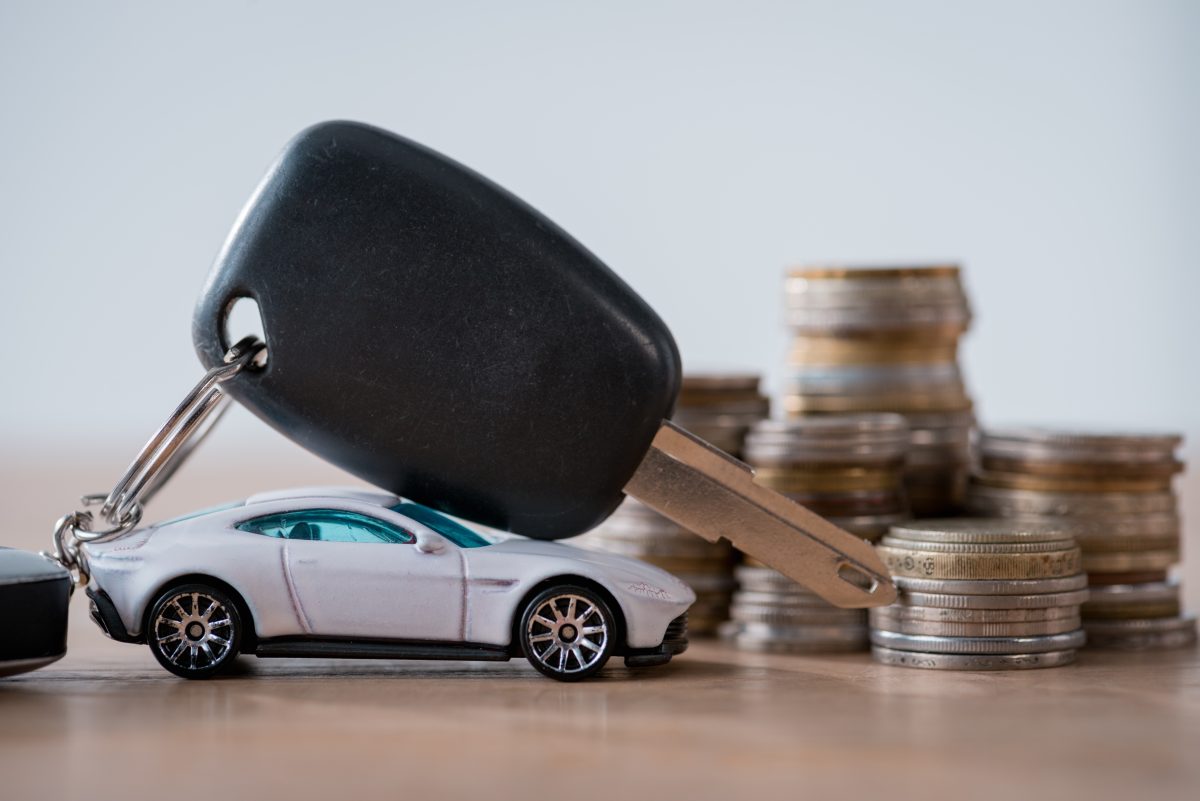
The cost of buying a new car in America just hit a record high. The average monthly payment for a financed new vehicle reached $777 in the second quarter of 2026, according to Edmunds — the highest ever recorded. One in five buyers who took out a loan paid at least $1,000 a month.
The average amount borrowed climbed to $44,156. That is a heavy financial burden for most households. Experts warn the crisis is not easing — it is getting worse.
Record Payments Are Straining Household Budgets
A $777 monthly car payment leaves little room in most family budgets. Add insurance, gas, and maintenance, and a new car can easily cost over $1,000 a month to own. QC News reports that one in five financed buyers is already crossing that $1,000 threshold. For lower- and middle-income families, that kind of expense can crowd out rent, groceries, and savings.
Automakers and dealers have responded by stretching loan terms longer and longer. A 72- or even 84-month loan — that is six or seven years — is now common. Longer terms lower the monthly payment on paper. But they also mean buyers pay far more in interest over time.
Negative Equity Traps Buyers in a Debt Cycle
Here is the hidden danger of long loans: negative equity. That means you owe more on the car than it is worth. It happens when a car loses value faster than you pay down the loan. If you trade in that car early, the leftover debt gets rolled into your next loan. Your new loan starts underwater before you drive off the lot.
This cycle is becoming more common as buyers trade vehicles before their loans are paid down, according to Fox 21 News. Each trade can add thousands of dollars of old debt onto a new loan. Over time, this makes the affordability problem significantly worse with every transaction.
Why New Car Prices Keep Climbing So Fast
The average amount financed — $44,156 — reflects how expensive new vehicles have become. Prices rose sharply during and after the pandemic due to chip shortages and supply problems. Those pressures have eased, but sticker prices have not come back down. Trucks and SUVs, which dominate U.S. sales, tend to be the priciest options on the lot.
Rising interest rates have made things worse. When the Federal Reserve raised rates to fight inflation, auto loan rates went up too. A buyer financing $44,000 at 8% interest over 72 months pays thousands more than someone who got a 3% rate just a few years ago. The monthly payment math has gotten much harder.
What Shoppers Can Do to Protect Themselves
The Consumer Financial Protection Bureau urges buyers to shop around. Comparing multiple loan offers — from banks, credit unions, and dealers — can save hundreds of dollars a year. A lower interest rate, even by one or two percentage points, makes a real difference on a $44,000 loan. Getting pre-approved before visiting a dealer also gives buyers more negotiating power.
The CFPB also warns that longer loan terms mean more total interest paid over the life of the loan. A buyer who stretches a loan to 84 months might pay $5,000 to $10,000 more in interest than someone on a 48-month term. Financial experts say the safest move is to buy less car than you can technically afford — and to avoid rolling old debt into a new loan.
Sentiment
NeutralNEGATIVENEUTRALPOSITIVE
Publishers
5
Articles
4
Reach
5
A
AnonymousAuthor


