Hybrid Pressure on NATO
Reports Indicate Russia-Linked Operations Are Testing NATO Unity and Defenses
Anonymous
Several reports and expert assessments warn that Russia may be intensifying hybrid pressure on NATO countries, including alleged sabotage, arson, drone activity and other operations intended to test alliance cohesion and discourage support for Ukraine. Researchers cited by Dutch public broadcaster NOS have counted more than 180 completed, thwarted or failed incidents attributed to Russia since the invasion began, while cautioning that the tally excludes many drone and cyber incidents and does not establish Russian responsibility for every case. One analysis argues that Moscow could contemplate a direct provocation against Poland or a Baltic state, potentially exploiting divisions within NATO; another presents possible flashpoints such as the Suwałki Corridor or Gotland as an unnamed source’s speculation, not confirmed plans. The reports suggest that battlefield difficulties and domestic pressures could motivate the Kremlin to raise pressure beyond Ukraine, though these explanations and claims of attack planning remain assessments rather than established facts. European governments have expanded defense initiatives and investment since 2022, but commentators question whether rearmament and preparedness are advancing quickly enough to meet the evolving threat.
Key Points
1
The ICCT’s incident tally is dominated by arson or attempted explosive-device placements, with vandalism the next most common category; NOS cited the desecration of the Holocaust memorial in Paris as one example.
2
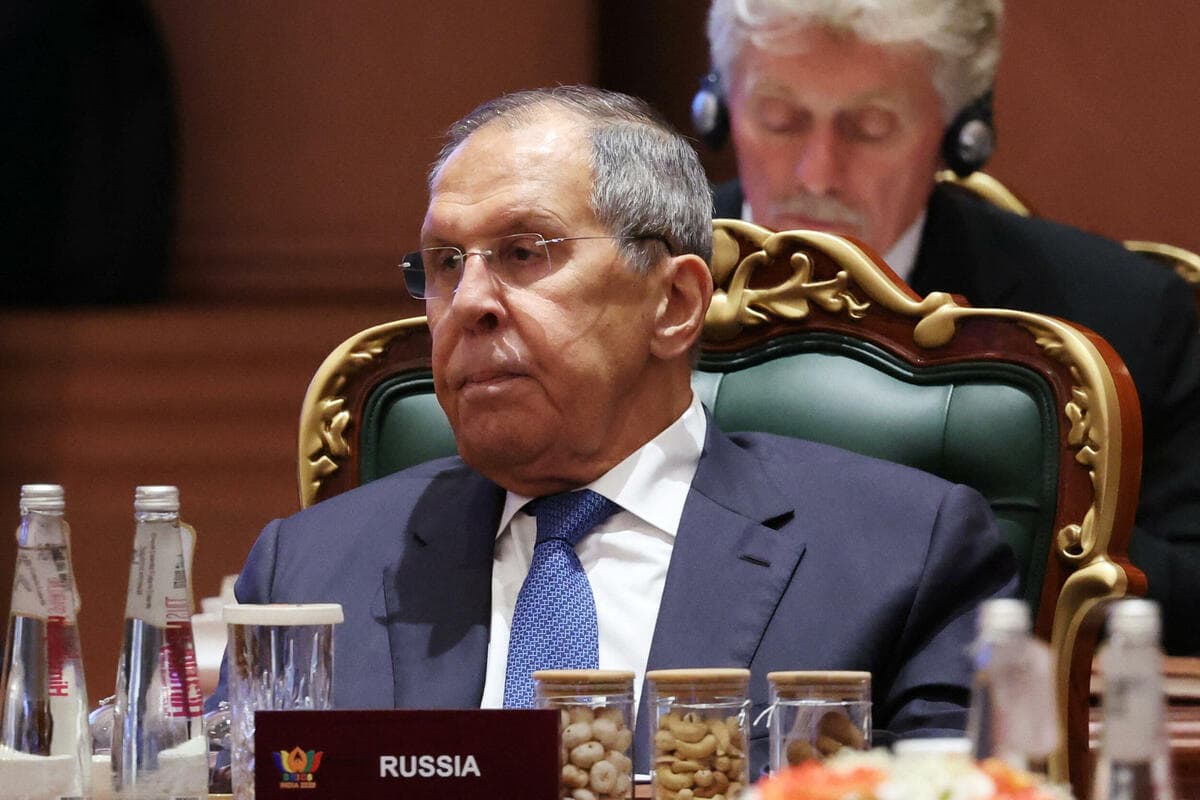
Russian Foreign Minister Sergey Lavrov said Moscow was making its methods “much harsher” against what he described as Western support for Ukraine’s military effort. NOS presented the remark in the context of Russian hybrid activity.
3
The article reports an attempted drone sabotage of a Ukrainian transport plane at Leipzig/Halle airport, which the German government attributed to the Kremlin, as an example of the recent escalation in hybrid attacks.
4
One analysis says the United States warned Polish officials of Russian plans to attack Polish territory. This is reported as a warning, not evidence in the article that an attack plan has been confirmed.
5
The same analysis argues that waning domestic support for the war could make a confrontation with NATO useful to the Kremlin as a rallying device; it invokes George Quester’s term “palliative” for a psychological mechanism that helps a population tolerate suffering.
Sentiment
Mostly NegativeNEGATIVENEUTRALPOSITIVE
Publishers
35
Articles
48
Reach
83
A
AnonymousAuthor