Immunity Vote Fails
Senate Panel Fails to Grant Immunity to Former Fauci Aide
Anonymous
Key Points
1
The former aide was identified as Dr. David Morens, who served as Anthony Fauci’s special assistant and became the target of the proposed immunity application.
2
The proposed action would have directed Senate Legal Counsel to apply under 18 U.S.C. § 6005, a provision allowing Congress to seek a court order compelling testimony under immunity despite a witness’s Fifth Amendment claim.
3
Sen. Rand Paul argued that Fauci’s preemptive pardon from President Joe Biden, covering conduct from 2014 through January 2025, undermined Fauci’s stated basis for invoking the Fifth Amendment.
4
The investigation encompasses the origins of COVID-19 as well as potentially risky life-sciences research, rather than being limited to Fauci’s personal testimony.
5
The committee’s earlier contempt referral against Fauci passed 8-7 along party lines, while the proposed immunity resolution required approval from two-thirds of the committee before Senate Legal Counsel could proceed.
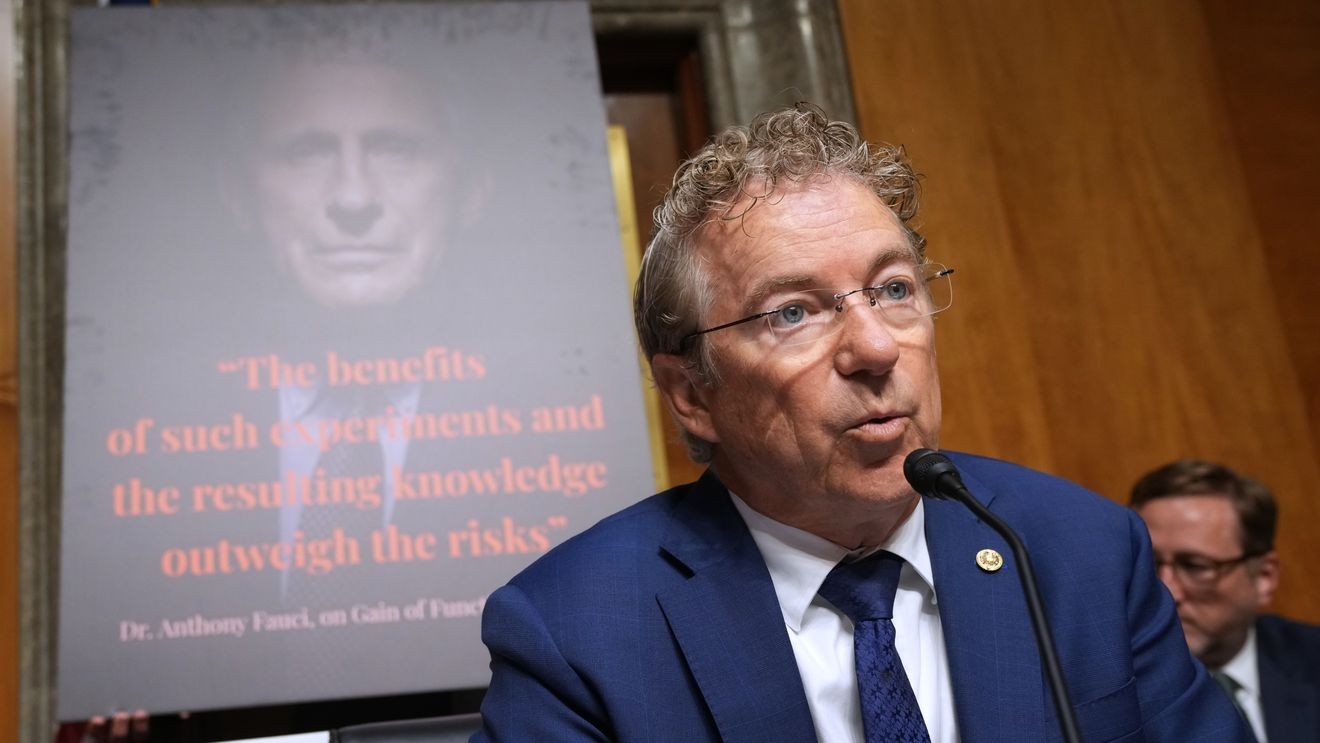
A Senate committee failed to compel testimony from Dr. David Morens, a longtime aide to Dr. Anthony Fauci, after voting Sept. 23 on whether to grant him immunity from prosecution. The resolution fell short of the required two-thirds majority, with all eight Republicans supporting it and no Democrats voting in favor, MEAWW reported. Morens had invoked the Fifth Amendment during a closed-door committee appearance as part of the panel's investigation into pandemic-era COVID-19 research and conduct.
The vote marks another setback in Republicans' efforts to compel testimony from key figures in the Fauci investigation. Sen. Rand Paul argued that Fauci's preemptive pardon from President Joe Biden — covering conduct from 2014 through January 2025 — undermined Fauci's stated reasons for invoking the Fifth Amendment, Zero Hedge noted. The committee had already referred Fauci himself to federal prosecutors for potential contempt of Congress, though the Justice Department has not charged him.
How the vote unfolded and why it failed
The Senate Homeland Security and Governmental Affairs Committee voted 8-0 in favor of the immunity resolution among Republicans, but needed approval from two-thirds of the full committee to move forward. WCYB reported that Democrats provided no votes in support. The proposal would have directed Senate Legal Counsel to apply for a court order compelling Morens' testimony under immunity protections, using a legal mechanism found in federal statute 18 U.S.C. § 6005.
The immunity procedure exists to allow Congress to override a witness's Fifth Amendment claim when the public interest demands testimony. By invoking the Fifth Amendment, Morens refused to answer questions that could incriminate him. Without the two-thirds support, Senate Legal Counsel cannot proceed with seeking the court order needed to compel his testimony under immunity protections.
Why Rand Paul pushed for the immunity vote
Sen. Paul argued that Fauci's preemptive pardon removed the legal jeopardy that typically justifies Fifth Amendment claims. If Fauci cannot face prosecution for conduct covered by the pardon, Paul reasoned, then Morens and other aides should not fear self-incrimination on related matters. Dayton 247 Now covered Paul's position that the pardon undermined the Fifth Amendment's core purpose.
The investigation extends beyond Fauci's personal actions to encompass the origins of COVID-19 and potentially risky life-sciences research. Republicans sought Morens' testimony because of his direct knowledge of Fauci's decisions and communications during the pandemic. The immunity vote was part of a broader GOP effort to obtain testimony from figures involved in government pandemic response and gain access to internal documents.
Fauci's own Fifth Amendment invocations and contempt referral
Dr. Fauci himself invoked the Fifth Amendment repeatedly during his own contentious testimony before the same committee. WLOS reported that Republicans subsequently referred Fauci to the Justice Department for potential contempt of Congress charges. The DOJ has not pursued criminal contempt charges against Fauci, citing prosecutorial discretion.
Fauci's preemptive pardon from President Biden covers his conduct from 2014 through January 2025, a period that includes the critical early years of the pandemic and ongoing debates over laboratory safety. The pardon shielded him from any prosecution related to actions taken during that window, a move that Republicans contended contradicted any legitimate Fifth Amendment basis.
Sentiment
Mostly NegativeNEGATIVENEUTRALPOSITIVE
Publishers
13
Articles
29
Reach
42
Topics
A
AnonymousAuthor


