NESF Sale Process Initiated
NextEnergy Solar Fund launches formal sale to address 39% NAV discount
Anonymous
Key Points
1
NESF is an 18%-yielding renewables fund with a market value of about £268m, yet its shares are trading at a 39% discount to NAV.
2
The company’s balance sheet is debt-free (zero debt) with improving cash generation, a combination some observers view positively for attracting potential buyers.
3
The formal sale process is running under the UK Takeover Code and includes a dispensation allowing bidders to remain unnamed and bypass the usual 28-day disclosure clock; the offer period will trigger Rule 8 disclosure obligations.
4
The asset base includes solar power plants in both the United Kingdom and Portugal, highlighting NESF’s international exposure within its portfolio.
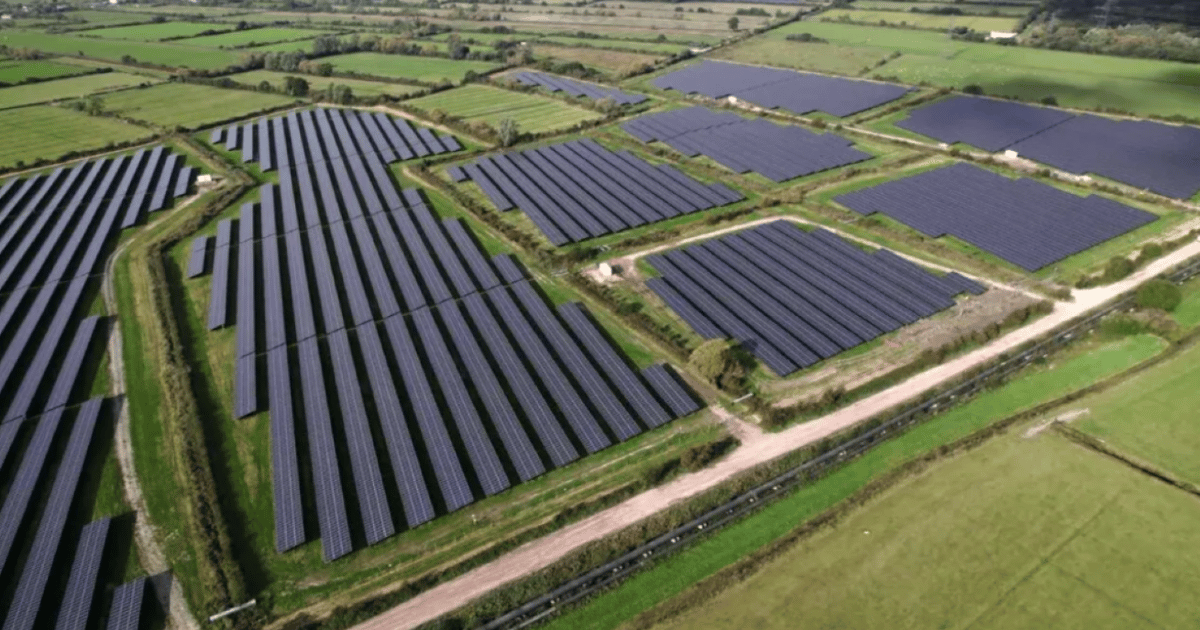
NextEnergy Solar Fund (NESF) has launched a formal sale process, inviting bids for its entire share capital as its stock trades at a steep 39% discount to net asset value (NAV). The fund, which owns solar power plants in the UK and Portugal, has a market value of roughly £268 million — well below what its assets are actually worth, according to Solar Power Portal.
The board, backed by investment manager NextEnergy Capital IM and advised by Rothschild & Co, says public markets have consistently undervalued the fund's long-term assets. The sale process is designed to fix that — and it is already moving markets. Shares jumped 5% on the announcement, according to Yahoo Finance.
Years of Discount Pressure Force Drastic Action
NESF has long suffered from a valuation gap between its share price and what its solar assets are actually worth — a problem common across listed renewables funds. The discount sat at 39% when the sale process launched. That means investors were effectively paying 61 pence for every pound of assets the fund held. For a fund yielding 18%, that gap was hard to justify, according to ADVFN.
The board said public markets are simply not the right fit for long-duration infrastructure like solar farms. Short-term investor behavior, they argued, keeps pushing the share price below fair value. A full sale, rather than another restructuring attempt, was seen as the cleanest solution, Solar Power Portal reported.
Jefferies Backs the Sale, Eyes Drax Precedent
Investment bank Jefferies said a sale is the best path forward for NESF shareholders. The bank pointed to Drax's recent offer for Bluefield Solar Income Fund as a key reference point. That deal set a valuation benchmark that Jefferies says could support a strong price for NESF's assets, according to Yahoo Finance.
NESF's balance sheet adds to its appeal for buyers. The fund carries zero debt and is generating improving cash flows. That combination — clean finances and real assets producing income — makes it an attractive target in a market hungry for stable, long-term infrastructure, TipRanks noted.
UK Takeover Code Sets the Rules of the Process
The sale is running under the UK Takeover Code, a strict legal framework governing public company deals. One key feature: bidders can stay anonymous and skip the usual 28-day disclosure clock, thanks to a special dispensation. This gives potential buyers time to evaluate the fund without tipping their hand publicly, ADVFN reported.
The board was clear that no talks are underway and no firm offers have been made yet. All bidders must sign non-disclosure and standstill agreements before entering the process. Once an offer period officially begins, Rule 8 disclosure rules will kick in — requiring any party with a stake to report their position publicly.
NESF Joins a Wave of Renewables Funds Seeking Exits
NESF is not alone. Several listed renewables funds have been exploring strategic options to close stubborn valuation gaps. The broader UK infrastructure fund sector has struggled under the weight of higher interest rates and shifting investor appetite. Many funds that launched during the low-rate era now trade well below NAV, according to Solar Power Portal.
NESF's portfolio spans solar plants in both the UK and Portugal, giving it cross-border exposure that could attract European infrastructure investors. With Rothschild & Co running the process, the board is signaling it is serious about getting a deal done — and getting shareholders a fair price, TipRanks reported.
Sentiment
Mostly NegativeNEGATIVENEUTRALPOSITIVE
Publishers
11
Articles
6
Reach
17
Topics
A
AnonymousAuthor