Labor Market Cooling
U.S. labor market shows cooling signs with rising unemployment as midterms approach.
Anonymous
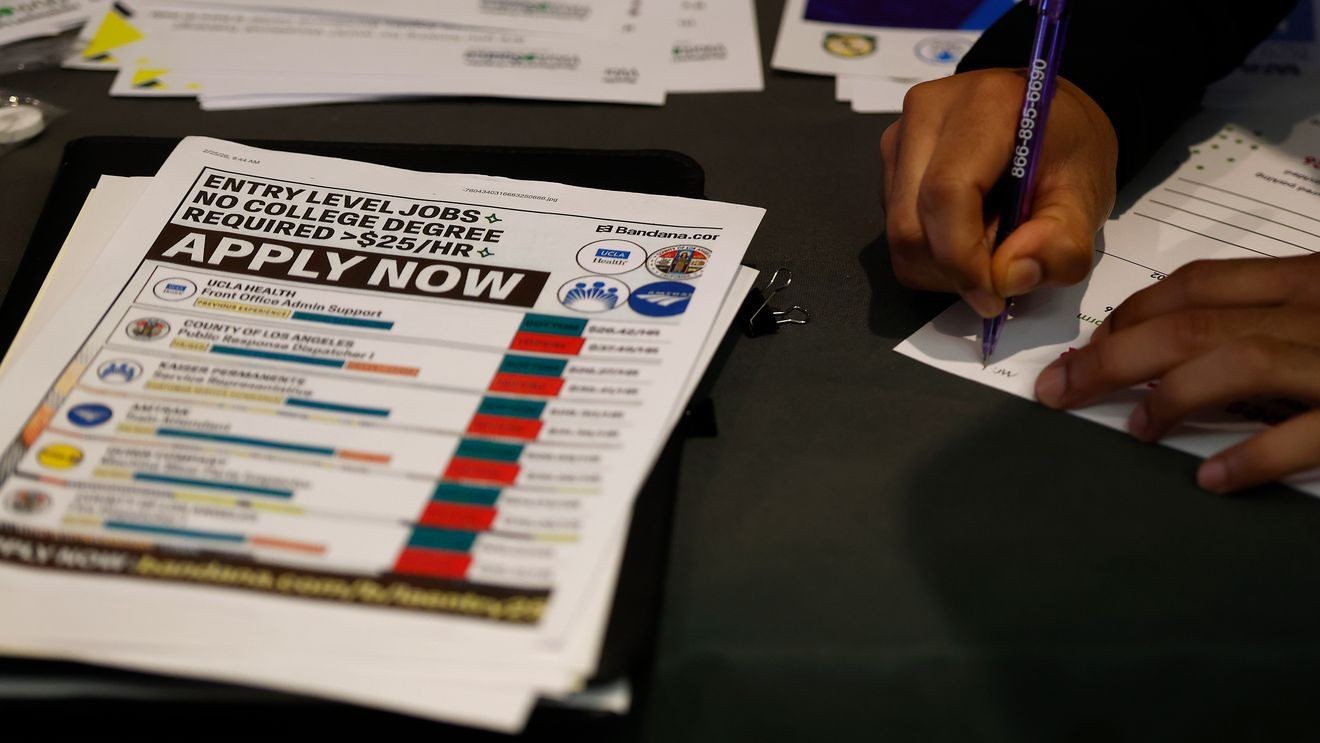
The U.S. job market is cooling as voters head into the 2026 midterms, with the unemployment rate at 4.1% and nonfarm payroll employment dropping by 23,000 jobs. Multiple News Sources report that despite the slowdown, 7.3 million job openings still exist nationwide. The mixed signals — fewer jobs being created but still opportunities available — paint a complicated picture of the economy voters will judge at the ballot box.
Employers hired about 5.1 million workers in July, yet some sectors are shedding jobs faster than others. Labor Reports show professional and business services lost 188,000 positions, while local government, education, and retail all contracted. Meanwhile, health care kept adding jobs. Americans worry most about affordability of basics like food and housing — a concern that could shape midterm voting.
Job Losses Signal Labor Market Slowdown
Nonfarm payroll employment fell by 23,000 jobs in the latest reporting period, according to News Sources, marking a reversal from months of consistent gains. The unemployment rate held steady at 4.1%, which is still historically low, but the direction matters to voters anxious about their futures. The decline signals the job market is cooling after years of tight labor demand.
July hiring reached 5.1 million workers per Labor Data, yet this masks uneven job creation. Professional and business services lost 188,000 positions in a single month. Local government, education, and retail all contracted. The diversity of job losses suggests the slowdown is broad-based rather than limited to one sector.
Millions of Open Jobs Still Available Despite Pullback
Despite job losses, 7.3 million positions remain unfilled across the country, according to Reports. This glut of openings suggests employers are still reluctant to cut deeply. Workers have real choices. The gap between available jobs and unemployed workers remains wide — a sign the labor market has not swung sharply toward layoffs and cutbacks.
Health Care Jobs Keep Growing While Retail Shrinks
Health care stands out as the bright spot in the job market, News Sources report, continuing to add positions even as other industries retreat. Retail, education, and local government all lost jobs last month. The divergence shows which parts of the economy voters and policymakers consider essential versus discretionary as the economy cools.
This sectoral split matters for midterm politics. Fact Check Teams note that workers in shrinking fields like retail may feel economic pain more acutely than those in health care. Job losses in education and government also affect public sector employees and voters' access to services. Affordability concerns top the list of voter worries across the nation, suggesting the midterms will hinge less on raw job numbers and more on whether paychecks stretch far enough.
Sentiment
NeutralNEGATIVENEUTRALPOSITIVE
Publishers
11
Articles
10
Reach
11
A
AnonymousAuthor


