Marine Stadium Vote
Miami Voters to Decide Fate of Iconic Marine Stadium, Abandoned Since 1992
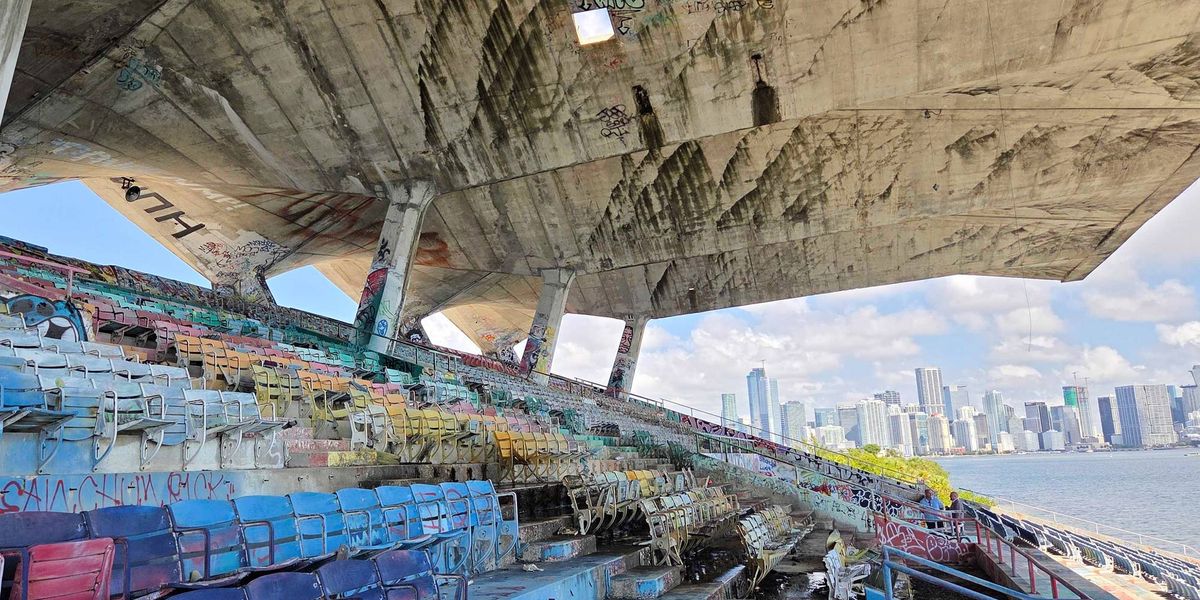
Miami Marine Stadium — a 6,500-seat concrete marvel on Virginia Key — has sat empty and covered in graffiti for more than 30 years. Now, Miami voters are set to decide its future, according to AP News.
The midcentury Brutalist structure opened in 1963 as the nation's only powerboat racing venue. It closed in 1992 after Hurricane Andrew caused serious damage. The city of Miami will keep ownership of the site, with a management company serving as steward — but voters must first approve the plan, Houston Chronicle reported.
A Cuban Architect Built an American Icon
The stadium was designed by Hilario Candela, a Cuban refugee who became one of Miami's most celebrated architects. AP News reports the structure is a striking example of Brutalist design — a style known for bold, raw concrete forms. It quickly became a symbol of South Florida's postwar ambition and love of the water.
The venue was also a cultural touchstone. Elvis Presley filmed scenes there for his 1967 movie "Clambake." Gloria Estefan performed on its stage. So did the late Jimmy Buffett. The stadium was later listed on the National Register of Historic Places, according to Times Union.
Hurricane Andrew Shut the Doors in 1992
When Hurricane Andrew tore through South Florida in 1992, the stadium took a serious hit. The city closed it and never reopened it. For more than three decades, the building sat largely abandoned on Biscayne Bay, slowly filling with spray-painted murals and graffiti, Independent reported.
Despite its decay, the stadium built a cult following. Preservationists pushed for years to save it. The graffiti itself became part of the building's identity — layers of street art covering the same walls where crowds once roared for speedboat races.
Voters Hold the Key to Restoration or Ruin
Miami residents are now voting on whether to move forward with a restoration plan. Under the proposal, the city keeps ownership of the stadium and the surrounding land. A management company would take over as steward and lead the redevelopment effort, according to WFMZ.
The vote is a rare chance to save a piece of American architectural history. Brutalist buildings from the 1960s are increasingly being torn down across the US. Miami Marine Stadium is one of the last of its kind — and one of the few that could still be brought back to life.
What a Restored Stadium Could Mean for Miami
Supporters say a restored Marine Stadium could once again host concerts, water sports events, and public gatherings on Virginia Key. The site sits along Biscayne Bay, giving it a natural backdrop that few venues in the country can match, Click On Detroit reported.
The outcome of this vote will shape Virginia Key's future for decades. If approved, the project could turn one of Miami's most famous ruins into one of its most exciting destinations. If rejected, the stadium's fate remains uncertain — and the clock keeps ticking on its crumbling concrete frame.
Sentiment
NeutralPublishers
21
Articles
21
Reach
21


