Bail Granted, Curbs Remain
Kashmiri Activist and Journalist Released on Bail But Remain Under Tight Restrictions in India
Anonymous
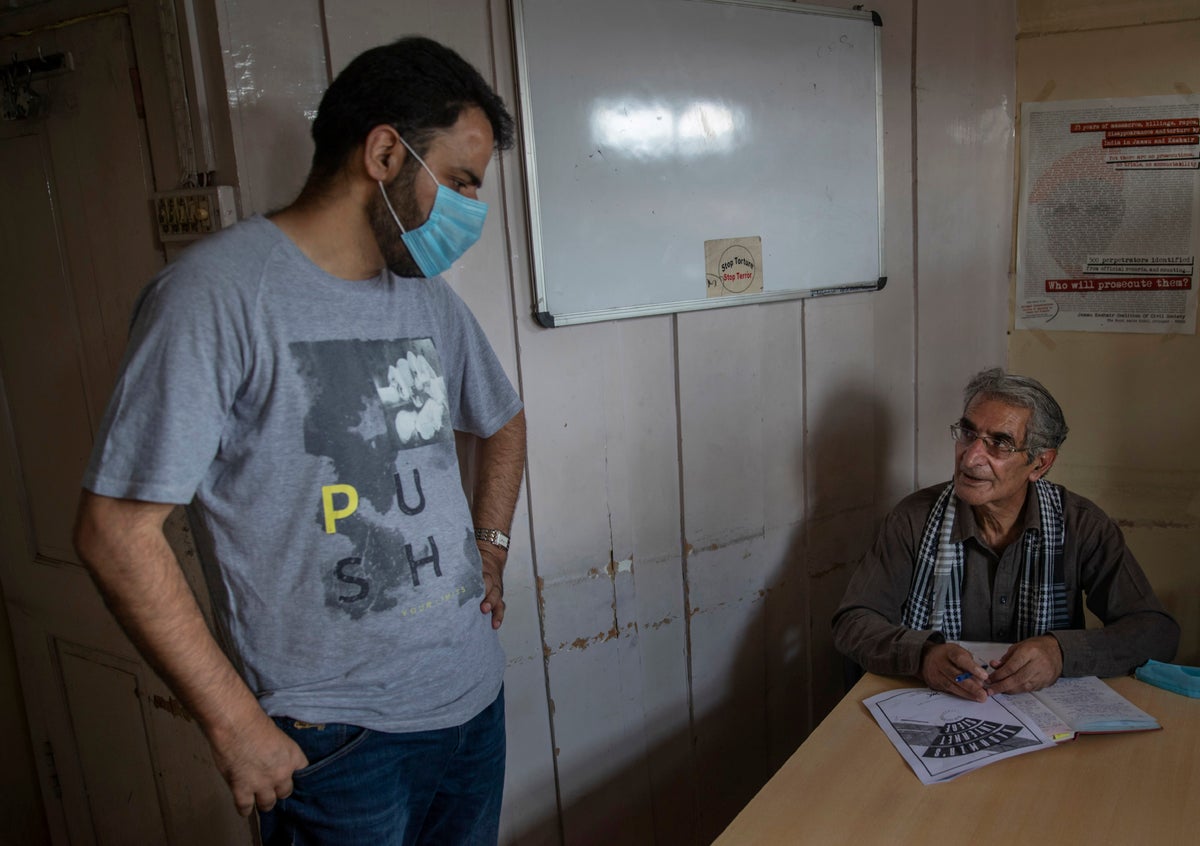
Kashmiri human rights activist Khurram Parvez and independent journalist Irfan Mehraj have walked free on bail after spending years behind bars under India's strict anti-terror laws, according to Yahoo News. Their release marks a rare legal win for civil society in Kashmir, a region where the Indian government has sharply cracked down on dissent.
Despite the bail, both men face tight court-imposed restrictions on their movements and activities. India's National Investigation Agency (NIA) — the country's top counterterror body — is now seeking to reverse the ruling and put them back in custody, The Independent reported.
Who Are Parvez and Mehraj, and Why They Were Jailed
Khurram Parvez is a leading figure in the Jammu and Kashmir Coalition of Civil Society, a group that has documented human rights abuses in the disputed region for years. Irfan Mehraj worked alongside him as a researcher and journalist. Both were arrested by the NIA on charges of financing terrorism and promoting a separatist agenda, according to Winnipeg Free Press.
The NIA alleged that Parvez and Mehraj used the civil society group to funnel money to militant-linked groups. Human rights organizations around the world rejected these claims and called their arrests politically motivated. International groups had consistently demanded their release throughout their imprisonment.
Court Grants Bail, NIA Moves to Fight Back
A court granted bail to both men after they spent years in pre-trial detention. The exact length of their imprisonment was not specified, but the cases stretch back several years. Their release came with strict conditions. Both men must report regularly to authorities and face limits on where they can go and what they can say, The Hour reported.
The NIA wasted no time challenging the decision. The agency has moved to appeal the bail order, meaning Parvez and Mehraj could face re-arrest if the higher court rules against them. Legal experts say cases under India's anti-terror laws — which allow for long pre-trial detention — are notoriously hard to fight.
India's Broader Crackdown on Kashmir's Civil Society
The arrests of Parvez and Mehraj are not isolated cases. The Indian government has used tough anti-terror legislation, including the Unlawful Activities Prevention Act (UAPA), to detain journalists, activists, and lawyers across Kashmir. The UAPA allows authorities to hold suspects for months without bail and is widely used in the region, according to Messenger-Inquirer.
India administers part of Kashmir while Pakistan controls another portion. Both countries claim the region in full. New Delhi revoked the area's semi-autonomous status in 2019, a move that triggered a sweeping security clampdown. Critics say that crackdown has silenced voices like Parvez and Mehraj who were documenting abuses on the ground.
Global Rights Groups Welcome Release, Warn of Ongoing Danger
International human rights organizations welcomed the bail decision but stopped short of declaring victory. Groups that had campaigned for Parvez and Mehraj for years warned that the NIA appeal keeps both men in legal limbo. With strict bail conditions still in place, their ability to resume human rights work remains sharply limited, The Independent noted.
Parvez had been one of the most prominent voices documenting civilian casualties and alleged abuses by security forces in Kashmir. His arrest in 2021 was seen as a major blow to independent oversight of the region. Rights groups say his case reflects a pattern of using terror laws to silence inconvenient critics rather than address genuine security threats.
Sentiment
NeutralNEGATIVENEUTRALPOSITIVE
Publishers
5
Articles
5
Reach
5
A
AnonymousAuthor


