NATO Defense Spending Shifts
Carney: NATO Allies Bolster Defense Spending Amid Trump's Pressure and Future Target Review
Anonymous
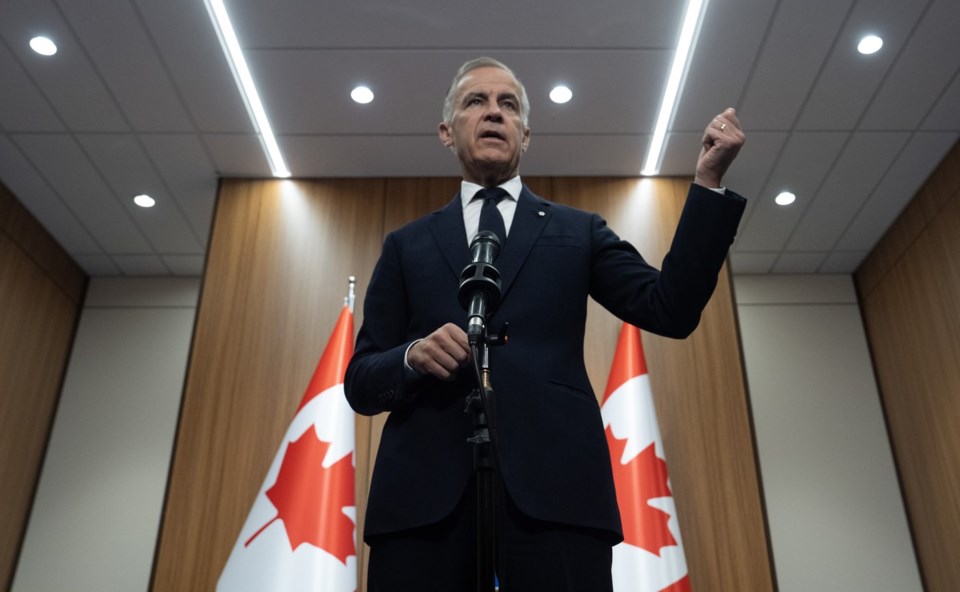
Canadian Prime Minister Mark Carney says NATO allies are ramping up defence spending, driven by pressure from U.S. President Donald Trump. Winnipeg Free Press reported that Trump has long warned allies they are not pulling their weight — and Carney says the shift is now underway.
Carney also acknowledged a long-standing imbalance within the alliance. The United States has paid more than its fair share of the NATO defence burden, he said. A new spending target of five per cent of GDP by 2035 is on the table — but Carney says that figure will be reviewed within the next four years, according to Brandon Sun.
Trump's Long Push Finally Moving NATO Allies to Act
Trump has spent years scolding NATO members for spending too little on defence. His message: the U.S. carries too much of the load. Carney now says that pressure is working. NATO countries are boosting their own military forces in response, according to NS News.
The current NATO baseline target is two per cent of GDP. Many allies still fall short of that. A proposed new target of five per cent by 2035 would be a major jump. Carney signalled that target will not be locked in permanently — a review is planned within four years, Richmond News reported.
US Has Shouldered the Biggest Share of NATO Costs
Carney was direct about the funding gap. He said the United States has historically contributed more than any other NATO member. That imbalance has fuelled Trump's frustration for years. Now, Carney is using that same argument to push other allies to spend more, according to St. Albert Gazette.
The U.S. spends roughly 3.4 per cent of its GDP on defence — nearly double the NATO target. Most European members still hover near or below the two per cent mark. That gap is what Trump and Carney are both pointing to as unsustainable.
Five Per Cent Target Sets a High Bar for All Members
A five per cent GDP spending target would be the highest in NATO history. It would require most allies to more than double their current defence budgets. Carney did not say which countries are closest to hitting that mark. But he framed the shift as urgent and already in motion, Airdrie City View reported.
The four-year review window Carney mentioned gives allies some breathing room. But it also signals that the five per cent figure may not be final. Defence spending talks are expected to be a central issue at upcoming NATO summits as member states face growing pressure from Washington.
NATO Unity Under Strain as Trump Keeps Up Pressure
Trump's threats toward NATO allies have rattled the alliance. He has questioned whether the U.S. would defend members who do not pay enough. That uncertainty has pushed countries to take spending pledges more seriously. Carney's comments suggest the message is landing, according to Richmond News.
Carney's remarks come as Canada itself faces pressure to hit the two per cent target. Canada currently spends around 1.4 per cent of GDP on defence. Hitting five per cent would require a dramatic increase in military investment — a politically complex task for any NATO government.
Sentiment
NeutralNEGATIVENEUTRALPOSITIVE
Publishers
6
Articles
5
Reach
6
A
AnonymousAuthor


