Supreme Court Voter Database Ruling
Supreme Court temporarily allows states to use expanded voter database amid ongoing legal challenges.
Anonymous
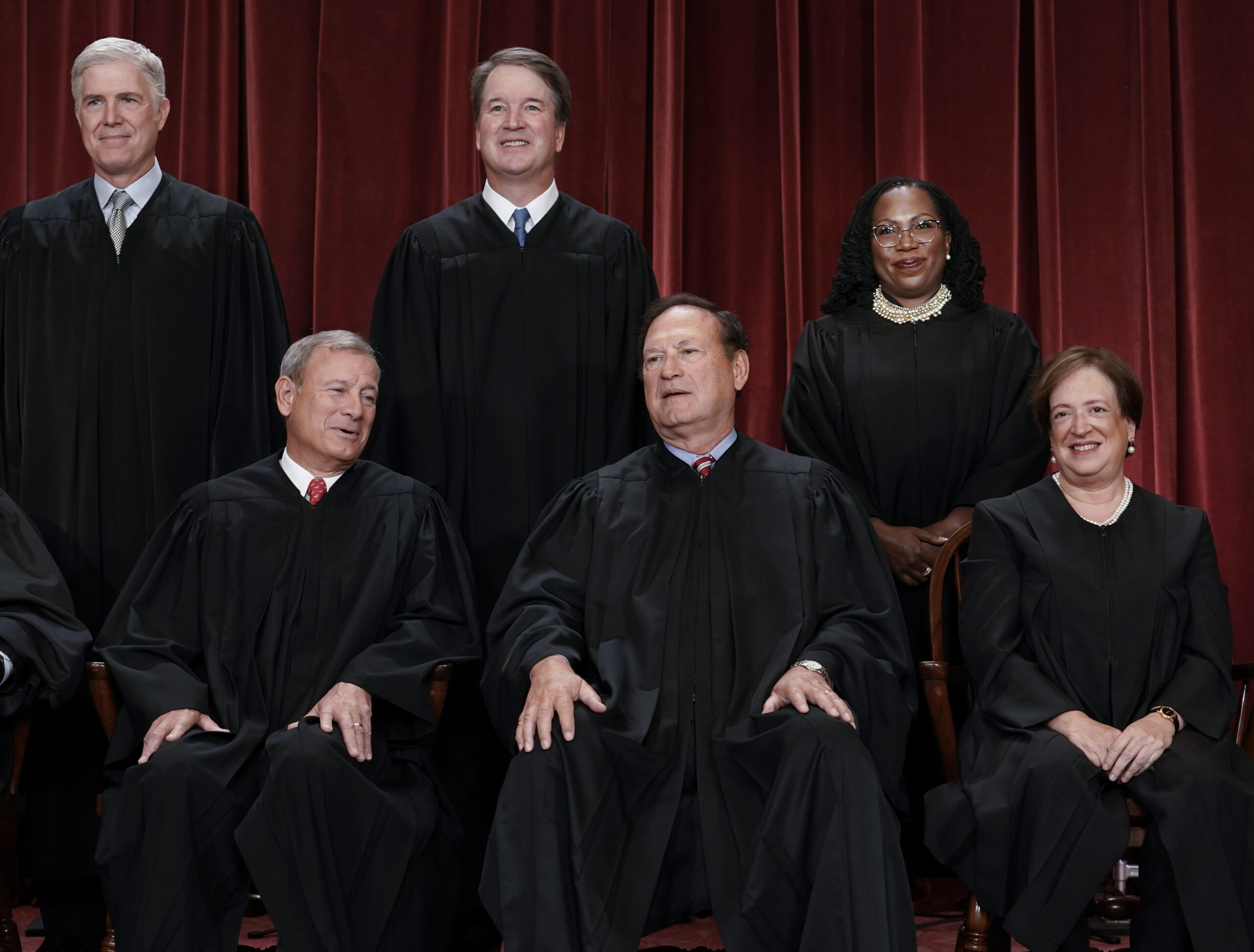
The Supreme Court temporarily allowed states to use the Trump administration’s expanded SAVE database to compare voter-registration records with federal citizenship and immigration data, putting a lower-court block on hold while litigation continues. The administration says the tool is intended to identify noncitizens on voter rolls, but critics warn unreliable records and mistaken matches could lead to eligible voters being removed, and some voters have already been wrongly flagged. The database has reportedly scanned at least 67 million registrations, although states’ participation is voluntary. A federal law generally bars systematic voter-roll purges within 90 days of an election, limiting the ruling’s immediate effect before November’s midterm elections. The court’s three liberal justices dissented.
Key Points
1
The SAVE database was originally created to help government agencies determine eligibility for public benefits; the Trump administration’s revamp enabled searches across multiple records at once and searches using Social Security numbers.
2
In blocking the revamped system, U.S. District Judge Sparkle Sooknanan described it as haphazard and its citizenship data as unreliable, writing that the government had “knowingly trampled on the privacy rights of American citizens” in a way that threatened the right to vote.
3
The France 24 report notes that the Constitution gives states primary authority to administer elections, and says critics view Republican efforts to expand federal involvement as politically motivated and potentially aimed at narrowing the electorate.
4
Several Republican-led states have used the database to check voter lists, and some people flagged as potential noncitizens have had their registrations canceled.
Sentiment
Mostly NegativeNEGATIVENEUTRALPOSITIVE
Publishers
75
Articles
251
Reach
326
Topics
A
AnonymousAuthor


