Whistleblower Officer Charged
LAPD Officer Faces Criminal Case for Recording Colleagues' Racist and Homophobic Remarks
Anonymous
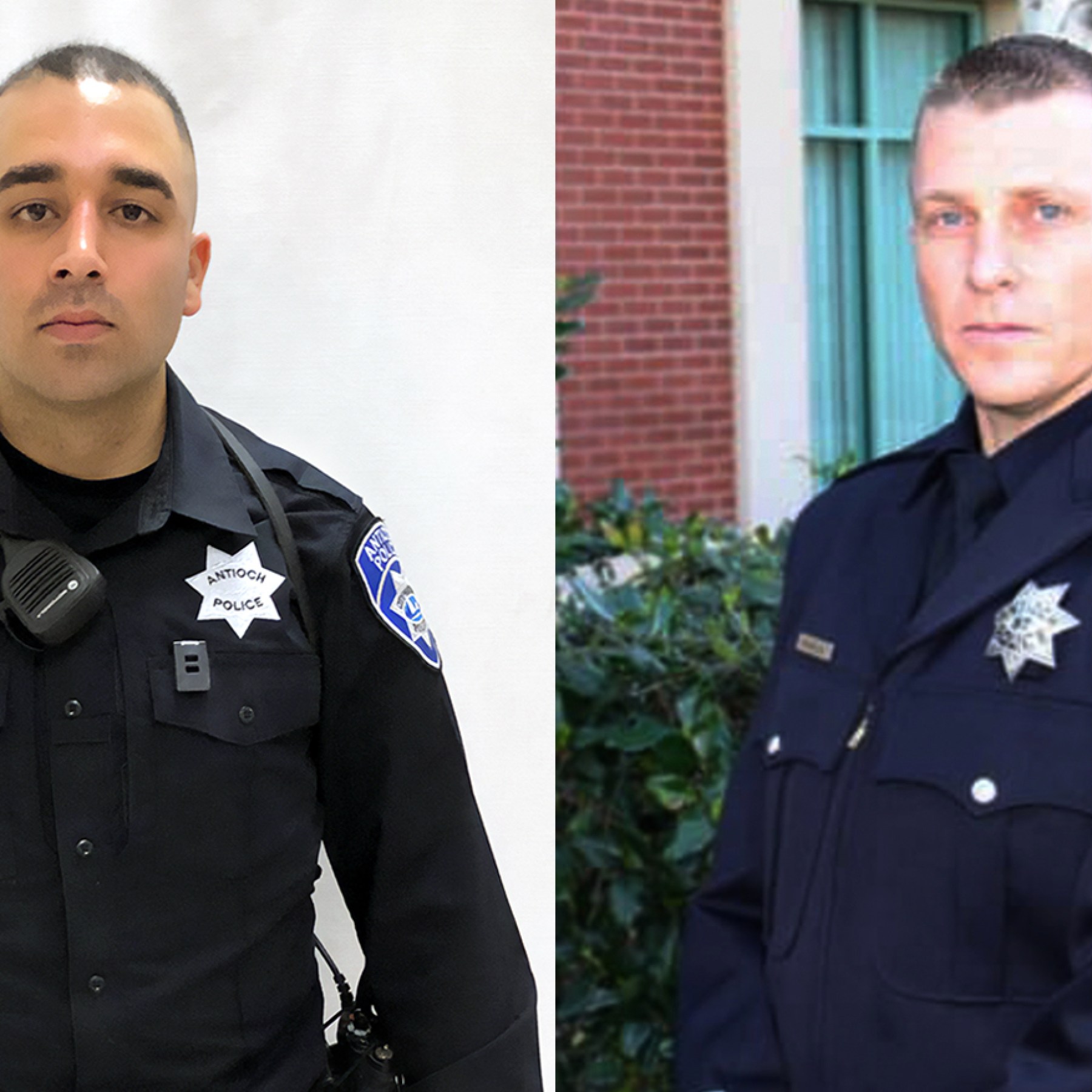
An LAPD officer who secretly recorded racist, sexist, and homophobic remarks made by his colleagues may now face criminal charges himself. Daniel Flores turned the recordings over to his superiors, hoping they would spark accountability — instead, prosecutors are weighing whether to charge him under a California law that bans recording conversations without consent, according to Fresno Bee.
The California Invasion of Privacy Act, which can be charged as either a misdemeanor or a felony, is at the center of the potential case against Flores. Meanwhile, a separate LAPD internal investigation found Flores guilty of policy violations and recommended a 20-day unpaid suspension — though that punishment has not yet been finalized, according to Kansas City Star.
What Flores Recorded and Where He Did It
Flores made the recordings between March and October 2024 inside the city's personnel building near LAPD headquarters, according to San Luis Obispo Tribune. The conversations captured colleagues using slurs and demeaning language on the job.
New details about the content of those recordings came out through a lawsuit Flores filed against the city. According to The Olympian, officers were recorded referring to colleagues as "bitches" and making remarks that "black people like grape soda." The comments were racist, sexist, and homophobic in nature.
Flores Reported It — Then Became the Target
After making the recordings, Flores filed an internal affairs complaint with the LAPD. He gave the recordings to his superiors and hoped they would be used as evidence against the officers involved, according to Ledger-Enquirer. Instead, the department turned its investigation toward him.
The internal probe found Flores had violated department policy by making the recordings without consent. The LAPD recommended a 20-day suspension without pay, according to Island Packet. That discipline has not been officially imposed yet. No officers heard on the recordings appear to face equivalent scrutiny based on available reporting.
California Privacy Law Could Make Flores a Criminal
The California Invasion of Privacy Act makes it illegal to record a private conversation without the consent of all parties involved. It can be prosecuted as a misdemeanor or a felony, meaning Flores could face jail time or a criminal record, according to Herald Sun.
Prosecutors have not yet filed charges, but the recordings may be used as evidence in a criminal case against Flores, according to Bellingham Herald. The situation puts Flores in a difficult position — the very evidence he gathered to expose misconduct could be the basis for his own prosecution.
Whistleblower or Rule-Breaker? The Broader Debate
The case raises sharp questions about how police departments handle internal misconduct complaints. Flores says he recorded his colleagues because he believed the remarks were harmful and wrong. His lawsuit against the city argues he faced retaliation for trying to expose that conduct, according to News & Observer.
Critics may argue the case sends a chilling message to officers who witness misconduct: coming forward could get you punished while the offenders go free. California's two-party consent law is strict, but it was not written with police workplace misconduct in mind. The outcome of Flores's case could set a significant precedent, according to Bradenton Herald.
Sentiment
NeutralNEGATIVENEUTRALPOSITIVE
Publishers
13
Articles
13
Reach
13
A
AnonymousAuthor


