Tax Status Threat
Proposed Rules Threaten Tax-Exempt Status for Schools With DEI Programs
Anonymous
Key Points
1
The administration explicitly anchors the rule in an existing Supreme Court precedent by noting the Bob Jones University v. United States decision (1983), which upheld the IRS's ability to revoke tax-exempt status based on discriminatory practices.
2
Religious institutions would be exempt from the new rule, meaning the proposed revocation of tax-exempt status would not apply to them as part of the policy.
3
The scope of the regulation is broad: it would cover private primary and secondary schools, colleges, universities, professional schools, and trade schools, and it could apply even to institutions that do not take federal funding.
4
There is already notable institutional pushback and changes on campus related to DEI policies, with many universities having shut down or rebranded DEI offices and ended targeted scholarships or clubs for minority students.
5
Opposition and judicial/policy debate are anticipated, including challenges from groups like the American Association of University Professors (AAUP), and the policy is linked to broader efforts to roll back DEI initiatives and align higher-education policy with public-policy standards following recent Supreme Court rulings.
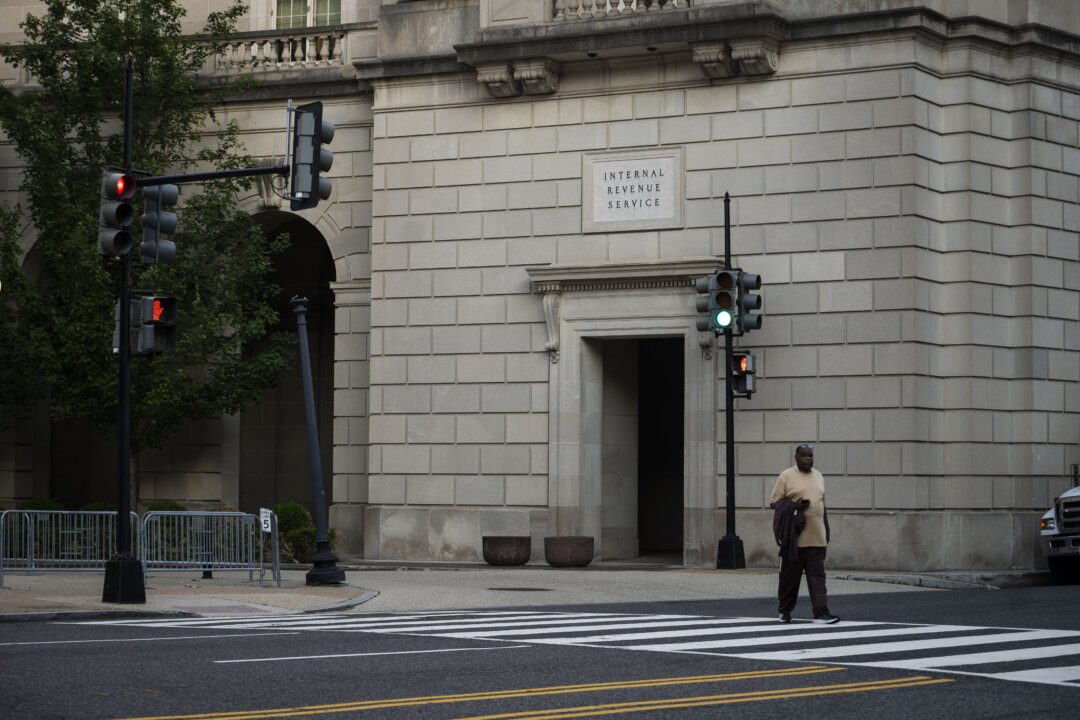
The Trump administration proposed sweeping rules to strip tax-exempt status from up to 18,000 private schools and colleges that use race-based admissions, scholarships, or diversity programs. Treasury Secretary Scott Bessent declared the move upholds civil rights law, stating schools cannot rebrand racial preferences as equity or inclusion without changing their discriminatory nature. The rules take effect for tax years starting May 31, 2027, and apply broadly to K-12 schools, universities, and trade schools—regardless of whether they accept federal funding.
The proposal grounds itself in Supreme Court precedent, citing Bob Jones University v. United States (1983), which allowed the IRS to revoke tax exemptions for discriminatory practices. Religious institutions would remain exempt. Critics warn the policy threatens fundraising, spawns costly lawsuits, and uses tax code to suppress speech—while many universities have already preemptively dismantled DEI offices to avoid penalties.
What the Rule Bans—and What It Allows
The regulations prohibit any policy or practice that discriminates based on race, color, or national origin in admissions, scholarships, hiring, facilities, or student programs. This covers targeted financial aid, affinity clubs, and DEI initiatives. Frank Bisignano, IRS Chief Executive, stated that schools engaging in racial discrimination should expect to lose tax-exempt status. Race-neutral criteria—income level, geography, academic test scores, or military service—remain permissible.
Religious schools retain protection under First Amendment and statutory exemptions, allowing faith-based enrollment preferences. The rule applies to all private institutions in the 501(c)(3) category, spanning universities and professional schools to elementary academies. No grandfather clause shields existing programs; institutions must comply by May 31, 2027.
Why Schools Are Already Removing Diversity Programs
Before the rule even finalizes, universities across the country have preemptively shut down or rebranded DEI offices and ended targeted scholarships and student organizations. Institutions face a stark choice: shed race-conscious practices voluntarily or risk losing tax-exempt status—a financial catastrophe that raises borrowing costs and halts tax-deductible donations. GV Wire reports the Treasury's announcement amplified momentum already underway to overhaul higher-education diversity structures.
Losing 501(c)(3) status cuts off access to the tax-exempt bond market for campus construction and capital projects. Endowments shrink when donors can no longer deduct gifts. Schools face a compliance squeeze: rewrite admissions and aid formulas fast or accept potentially devastating tax penalties.
Legal Challenges and Free Speech Concerns
The American Association of University Professors, civil rights advocates, and nonprofit groups are preparing court challenges. Tax scholars argue the administration weaponizes tax policy beyond historic *Bob Jones* precedent to suppress speech and chill academic freedom. Opponents contend the rule expands IRS enforcement into territory that punishes institutional speech choices rather than purely financial impropriety.
Litigation is expected immediately after the Treasury publishes final rules in the Federal Register and opens a public comment period. Courts will weigh whether using tax-exempt status as leverage to regulate school speech violates constitutional limits on administrative power. The outcome shapes whether federal agencies can use tax code to enforce social policy across private institutions.
Scope of Impact: 18,000 Schools and Counting
The rule applies to roughly 18,000 private institutions nationwide—not just elite universities but trade schools, professional colleges, and K-12 academies. UPI and LA Times report the broadness means even small religious secondary schools could face review if programs are deemed race-based. Schools that take no federal funding still risk tax-exempt revocation if their policies conflict with the new standard.
A May 31, 2027, effective date gives institutions roughly nine months to audit and revise policies once final rules post. Compliance timelines are tight, forcing admissions and financial aid offices into urgent policy rewrites. The Treasury has put institutions on notice: adopt race-neutral criteria or plan for tax status loss.
Sentiment
Mostly NegativeNEGATIVENEUTRALPOSITIVE
Publishers
40
Articles
240
Reach
280
A
AnonymousAuthor


