China's AI Export Controls
China considers tightening AI model and chip export controls amid tech leadership push.
Anonymous
Key Points
1
Export controls could extend to overseas chipmakers producing semiconductors based on Chinese designs, potentially impacting Qualcomm and Taiwan Semiconductor Manufacturing Company (TSMC) if they manufacture chips tied to Chinese designs.
2
One proposed mechanism would block overseas users from downloading the core AI model weights, while another approach would allow access to online services but prohibit downloads of the weights.
3
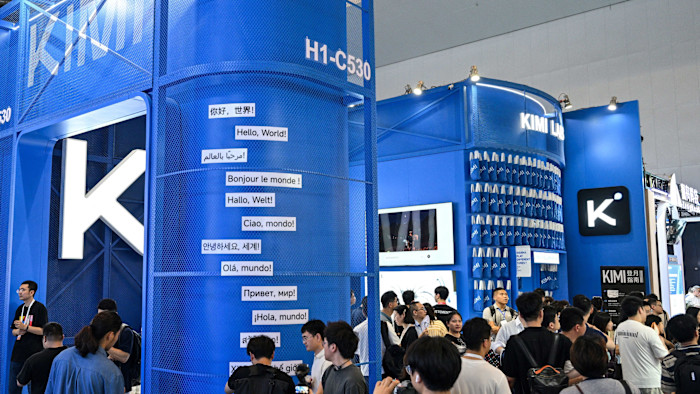
Moonshot AI's Kimi K3 was reportedly able to outpace Anthropic's Opus 4.8 in major benchmarks, underscoring the rapid rise of competitive Chinese models and the relevance of openness in model weights.
4
Regulators are weighing restrictions on overseas takeovers in the Agentic AI sector, referencing past cross-border deal dynamics such as Meta's attempted acquisition of Manus and subsequent withdrawal amid regulatory signals.
5
MOFCOM has been consulting major domestic AI and chip groups — including Alibaba, ByteDance, Zhipu AI, and Moonshot AI — as it considers tighter export controls, signaling a coordinated effort between regulators and industry.
China is moving to restrict exports of its own artificial intelligence models, chip designs, and training data, according to The Next Web and Times Kuwait. The effort is led by China's Ministry of Commerce, which has been consulting major domestic tech firms including Alibaba, ByteDance, Zhipu AI, and Moonshot AI.
The proposed rules could block foreign users from downloading Chinese AI model weights — the core files that define how an AI system thinks and behaves. They could also extend to overseas chipmakers, like Qualcomm and TSMC, if those companies produce chips based on Chinese designs, Electronics For You reported.
What China Wants to Lock Down and Why
Beijing wants to stop advanced homegrown AI technology from leaving the country. The proposed controls cover AI model weights, training data, and the semiconductor designs behind them, according to SL Guardian. Regulators are also weighing caps on cross-border data transfers tied to AI training.
Officials are framing the move as a national security measure. China's government sees frontier AI — models that can reason, plan, and act autonomously — as a strategic asset. The rules mirror steps the US has already taken to restrict chip exports to China, but now Beijing is playing the same card in reverse.
Two Ways China Could Block Access to AI Models
Regulators are considering two approaches to restrict AI model access. The first would fully block overseas users from downloading model weights. The second would let foreign users access Chinese AI through online services but ban them from downloading the weights directly, Techmeme reported.
The distinction matters. Downloading weights lets developers run, modify, and build on a model without any oversight. Online-only access keeps Chinese companies in control of who uses their AI and how. Either path would mark a sharp shift from the open-model strategy Chinese labs have used to gain global traction.
Chinese AI Models Are Good Enough to Protect
The push to restrict exports comes as Chinese AI models are closing the gap with Western rivals fast. Moonshot AI's Kimi K3 recently outperformed Anthropic's Opus 4.8 in major benchmarks, according to The Next Web. That kind of performance makes Chinese model weights genuinely valuable — and, in Beijing's view, worth guarding.
Regulators are also eyeing the agentic AI sector — systems that can take actions on their own, not just answer questions. Officials pointed to Meta's attempted acquisition of Manus, a Chinese agentic AI startup, as an example of the foreign deal activity they want to slow down. Meta reportedly withdrew after regulatory signals made the deal untenable.
Global Supply Chains Could Feel the Pressure
The reach of the proposed rules could extend well beyond China's borders. If controls apply to chips manufactured using Chinese designs, companies like TSMC in Taiwan and Qualcomm in the US could face new restrictions, Electronics For You noted. That would inject fresh uncertainty into already strained global semiconductor supply chains.
Industry observers warn that overly tight rules could slow international research partnerships and fragment the global AI ecosystem. Supporters argue the controls protect Chinese innovation from being absorbed or copied abroad. Either way, the move signals that China now views its AI technology the same way the US does — as too important to share freely.
Sentiment
Mostly NegativeNEGATIVENEUTRALPOSITIVE
Publishers
25
Articles
80
Reach
105
Topics
A
AnonymousAuthor


