Campus Shelter-In-Place Lifted
UW-Whitewater police confirm no active threat after campus issues shelter-in-place alert on first day of classes.
Anonymous
Key Points
1
The initial report centered on an incident at Andersen Hall, where witnesses said someone walked in and was yelling; the individual left before officers arrived, and police later located and questioned them, determining there was no weapon and no threat to campus safety.
2
The alert timeline included a first alert around 11:12 a.m. about an active threat, a follow-up roughly 15 minutes later indicating buildings were being checked, and a final update at about 11:37 a.m. confirming no threat to life safety.
3
Some alerts during the incident carried the explicit signal 'This is not a drill,' as part of the rapid-dispatch messaging, underscoring the seriousness of the moment before the all-clear was issued.
4
UW-Whitewater’s emergency alerts system uses text messaging to notify students, employees and family members, enabling rapid dissemination of updates during the incident.
5
The January 2026 incident at UW-Whitewater’s Rock County/Janeseville area campus involved a lockdown after reports of shots fired near the campus, but authorities later said it was likely fireworks and noted few people were on campus at the time.
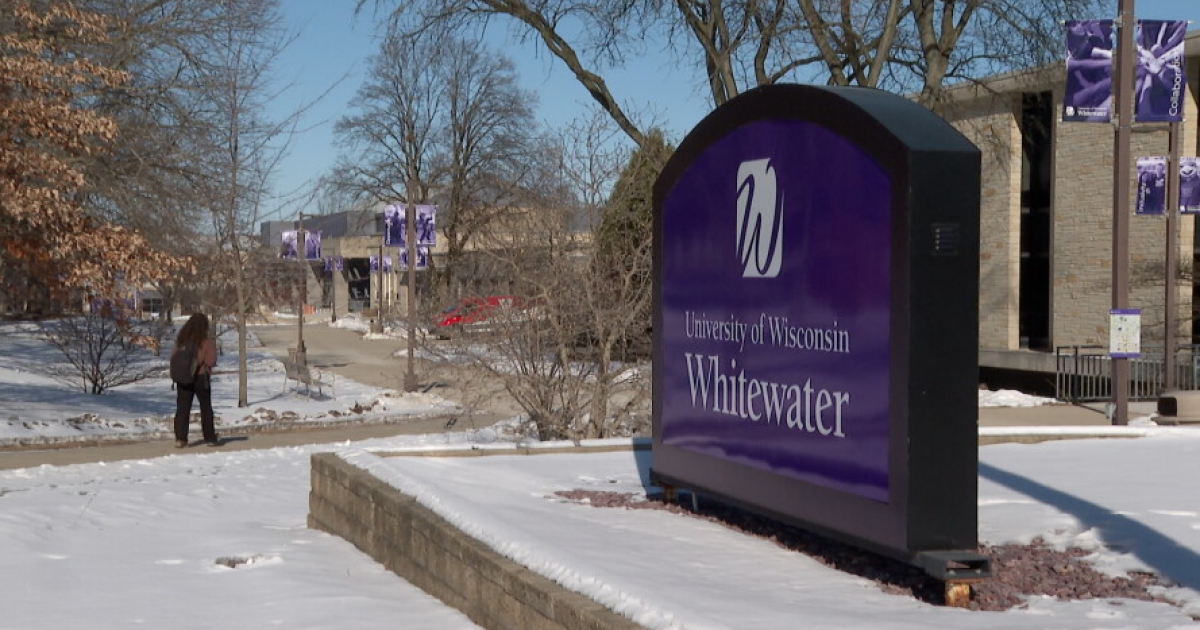
University of Wisconsin-Whitewater lifted a shelter-in-place alert on September 2 after about 30 minutes, confirming there was no threat to campus safety. TMJ4 reported that the initial alert warned of an active threat and told students and staff to run, hide, or fight, but police found no weapon and no danger after searching buildings and questioning a person of interest.
The alert went out around 11:12 a.m. on the first day of fall classes. Fox47 noted that an all-clear was issued by 11:37 a.m., allowing the campus to reopen. The initial report centered on Andersen Hall, where a person entered yelling before leaving before officers arrived.
What Triggered the Initial Alert
A witness reported that someone walked into Andersen Hall and was yelling, JSONLine reported. The individual left the building before campus police arrived. Officers later located and spoke with the person, determining there was no weapon and no safety risk to the campus community.
The incident happened on a busy day — classes had just started at 8 a.m. The rapid alert system worked as designed, sending text messages to students, staff, and family members within minutes of the initial report.
Alert Timeline and Campus Response
The first alert arrived at roughly 11:12 a.m., warning of an active threat and ordering people to shelter in place. About 15 minutes later, a second alert said officers were checking buildings. The final update at 11:37 a.m. confirmed there was no threat to life safety, ending the shelter-in-place order.
RollingOut reported that the Rock County campus in the Janesville area was not affected by the alert. Heavy traffic hit the university's website during the emergency, making it harder for some people to get updates. The campus reopened within the hour after the all-clear was issued.
Why Confusion Spread on Day One of Classes
The incident raised questions about alert accuracy. Some messages included the phrase 'This is not a drill,' underscoring the seriousness before the all-clear. The speed of the alert system meant information spread fast, but clarity about what happened took time.
This was not UW-Whitewater's first false alarm. JSONLine noted that in January 2026, a lockdown was triggered near the Janesville-area campus after reports of shots fired. Police later determined the sounds were likely fireworks, and few people were on campus at the time. That incident also led to calls for clearer communication.
Lessons for Campus Emergency Systems
The incident shows both the strength and challenge of rapid alerts. Fast warnings can save lives if a real threat exists. But false alarms create panic and test trust in the system, especially when students are just getting settled into the semester.
Experts say universities need to balance speed with accuracy. Clear updates about what happened — and what triggered the alarm — help reduce confusion. UW-Whitewater said it would share more details as the investigation continued, a step toward the transparency students and families demand.
Sentiment
Mostly NegativeNEGATIVENEUTRALPOSITIVE
Publishers
21
Articles
14
Reach
35
A
AnonymousAuthor


