Tokenised Bond Pilot
India To Pilot Tokenised Corporate Bonds Using Digital Rupee Settlement Next Month
Key Points
The pilot issue by REC is planned at under 5 billion rupees (about $57 million), indicating a small-scale test rather than a broad launch.
The tokenised bond offer is set to be unveiled at a Mumbai financial technology event next month, with the central bank digital currency used to purchase the notes.
Investor identities for the pilot have not been disclosed; Reuters could not determine who the participants are.
The project is positioned within RBI/SEBI’s broader regulatory modernization roadmap for 2026-27.
Subsequent trades can occur only between participants that hold both a wholesale CBDC wallet and the new electronic securities wallet.
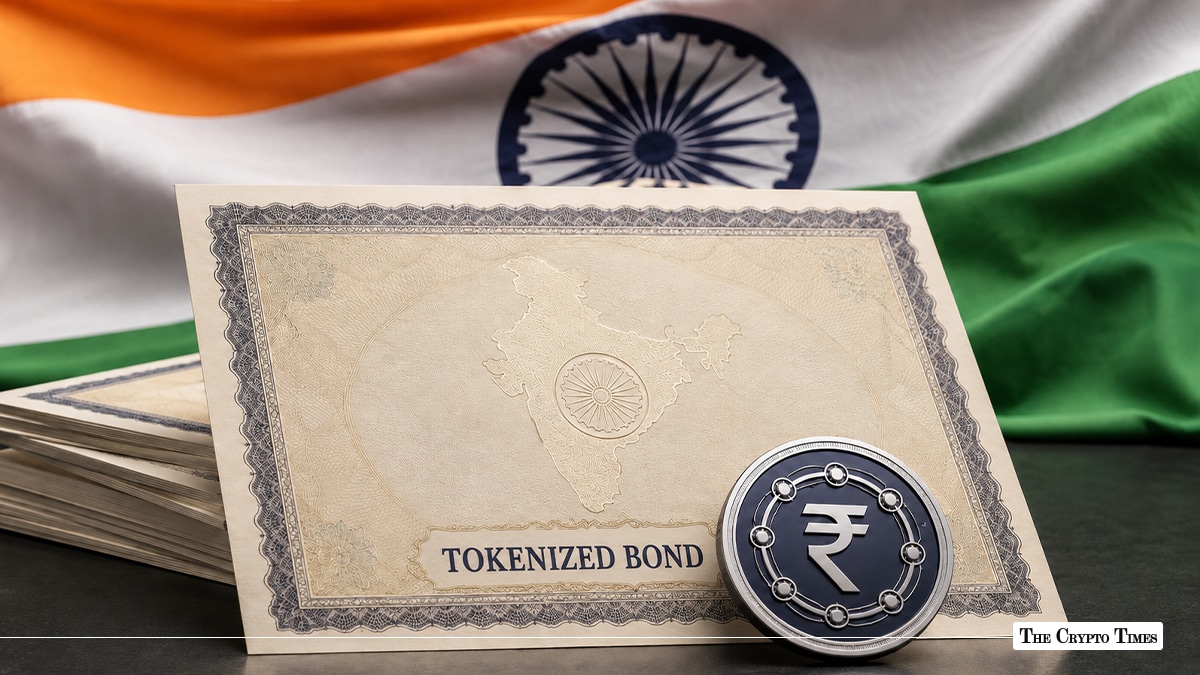
India is launching a pilot program next month to issue tokenized corporate bonds using blockchain technology, marking the country's first major experiment blending digital assets with traditional debt markets. State-owned power financier REC will issue the first bonds — worth less than 500 crore rupees, or about $57 million — with settlement happening nearly instantly through India's central bank digital currency, the digital rupee, according to NDTV Profit.
The pilot represents a significant step in India's financial modernization roadmap. Investors will need two compatible digital wallets to participate: one for the central bank digital currency and a new DEMAT 2.0 electronic securities wallet to hold bond records on a distributed ledger. Reuters reports that the specific investor participants have not been disclosed.
How Blockchain Makes Bond Trading Instant
Traditional bond settlements take two to three days. Tokenized bonds on blockchain settle in minutes or seconds. According to Economic Times, the bonds will use blockchain to enable near-instant settlement — a key advantage over paper-based systems. When a buyer purchases a tokenized bond with digital rupees, the transaction completes immediately. This eliminates the delays and risks that plague conventional securities trading.
RBI and SEBI Shape India's Digital Finance Future
India's central bank, the RBI, and its securities regulator, SEBI, are orchestrating this pilot as part of a broader modernization plan for 2026-27. Whales Book notes that financial regulators are working to introduce tokenized bonds using both blockchain and central bank digital currency. The goal is to demonstrate that blockchain can work within India's official financial infrastructure. Success here could reshape how the country handles debt markets for years to come.
Why CBDC Utility in Securities Trading Matters
Central bank digital currencies remain largely theoretical outside payments. Using the digital rupee to purchase tokenized bonds shows that CBDCs have real uses beyond simple money transfers. Crypto Briefing reports that India is planning the first tokenized bond issue by September 2026, marking one of the largest emerging-market experiments in bringing blockchain to debt markets. If the pilot works, it validates the digital rupee's role in complex financial transactions.
Small Pilot Opens Door to Bigger Changes
The under-$57 million issuance is deliberately modest. Limited to select investors, the pilot tests the technical and regulatory infrastructure before any wider rollout. Only participants holding both a wholesale CBDC wallet and the new DEMAT 2.0 electronic securities wallet can trade these bonds afterward. If successful, tokenized bonds could improve liquidity, cut settlement risk, and demonstrate new possibilities for India's financial markets.
Sentiment
Mostly PositivePublishers
11
Articles
80
Reach
91


