Spain's Deadly Wildfire
Southern Spain Wildfire Claims 12 Lives as Firefighters Battle Blaze Amid Record Heat
Anonymous
Key Points
1
Spain's Prime Minister Pedro Sánchez expressed condolences on X and referenced Spain's plan for the largest-ever summer wildfire response.
2
The firefighting operation included five fire trucks in addition to about 150 firefighters.
3
Experts linked the Bedar fire to the broader pattern of climate-driven fire risk, noting that fire weather—combining heat, drought and wind—is increasing globally and that human-caused climate breakdown is raising wildfire likelihood.
4
The Hindu notes Spain has seen increasingly frequent and prolonged heatwaves, with temperatures often exceeding 40C, which creates conditions conducive to major wildfires.
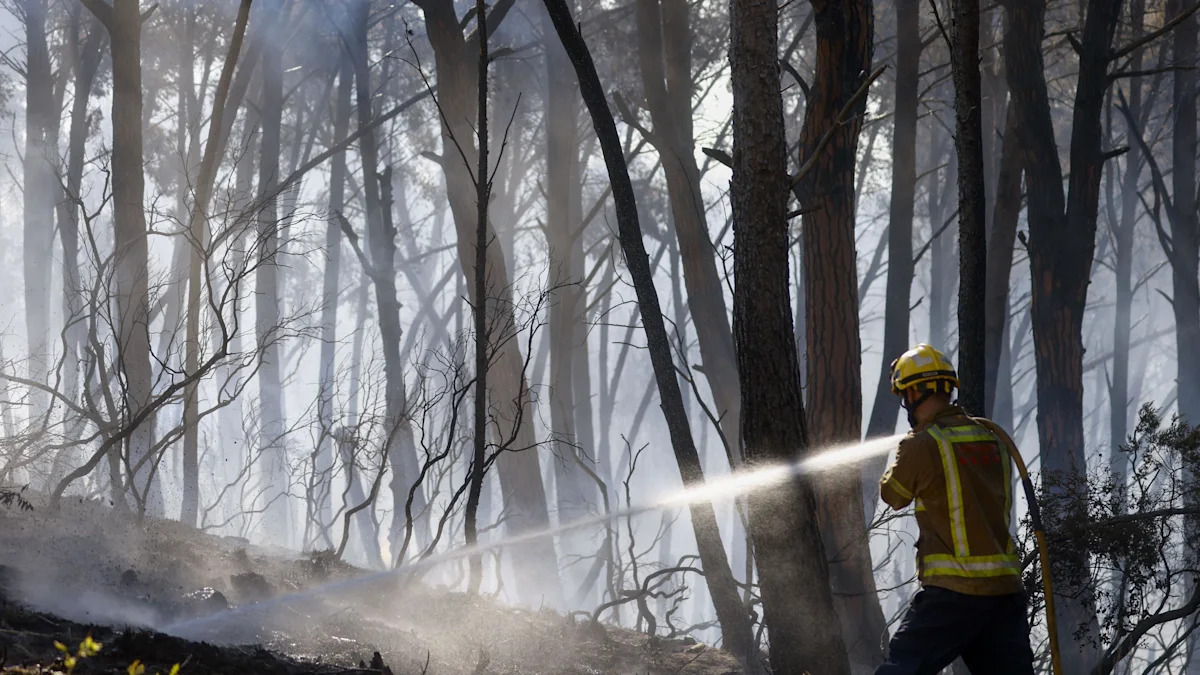
A wildfire tearing through southern Spain has killed at least 12 people, with victims found trapped inside vehicles as flames swept through the Almería province municipality of Los Gallardos, according to BBC. About 150 firefighters battled the blaze in near-40°C heat, with five fire trucks deployed to the scene.
Andalusia regional president Juanma Moreno called the disaster "a tragedy" and expressed condolences to the families of the victims. Spain's Prime Minister Pedro Sánchez also offered condolences on X, pointing to Spain's plan for what he called the largest-ever summer wildfire response, according to Yahoo News.
How the Fire Started and Spread So Fast
Witnesses pointed to a downed power line as the likely cause of the blaze, though authorities said the official cause remains unconfirmed, according to BBC. The fire broke out in the municipality of Los Gallardos and spread rapidly through surrounding areas near Bédar.
Roads were closed and residents evacuated as flames advanced. Around 50 people took shelter in a local cultural centre. At least six others were injured beyond the 12 confirmed dead. The Military Emergency Unit was expected to join firefighting efforts to help bring the blaze under control, according to Head Topics.
A Heatwave Turned Deadly Across Southern Europe
The wildfire broke out during an active heatwave that triggered orange weather warnings across parts of Andalusia. Temperatures in southern Spain had been pushing close to 40°C, creating dry, volatile conditions that allowed the fire to spread quickly, according to BBC.
Spain has seen increasingly frequent and prolonged heatwaves in recent years, with temperatures often exceeding 40°C. Experts say this pattern of extreme heat creates conditions — high temperatures, low humidity, and strong winds — that make large wildfires far more likely and harder to stop.
Spain's Wildfire Crisis Is Getting Worse Each Year
The Almería fire is the latest disaster in what has become a record-breaking year for Spain. In 2025, more than 393,000 hectares have already burned across the country, according to Yahoo News. That figure highlights a growing crisis driven by climate-related heat and drought.
Experts link the increasing fire risk to climate change. Fire weather — the combination of heat, drought, and wind that ignites and spreads wildfires — is growing more common globally. Human-caused climate breakdown is raising the likelihood of events exactly like the one that struck Almería, experts say, according to Head Topics.
Government Response and What Comes Next
Regional authorities mobilised quickly after the blaze broke out, deploying 150 firefighters and five fire trucks. The Military Emergency Unit — Spain's specialist disaster response force — was set to reinforce the operation, according to BBC.
Prime Minister Sánchez used the moment to highlight Spain's broader fire preparedness plan, calling for the largest summer wildfire response in the country's history. Authorities have not yet given an all-clear for residents who were evacuated from affected areas near Los Gallardos.
Sentiment
Mostly NegativeNEGATIVENEUTRALPOSITIVE
Publishers
237
Articles
1.1K
Reach
1.3K
Topics
A
AnonymousAuthor


