Venezuela Quake Funds
Venezuela Secures IMF Funds for Reconstruction After Deadly Earthquakes Kill Thousands and Displace Many
Anonymous
Key Points
1
Official death toll and injuries: the twin quakes killed 5,069 people and left 16,740 injured, with about 20,000 displaced living in overcrowded camps, many lacking water and sanitation.
2
Magnitude and epicenter: the disasters were a pair of quakes measuring 7.2 and 7.5 magnitudes that struck the coastal state of La Guaira, north of Caracas, within about a minute of each other.
3
IMF reserve tranche details: the $346 million disbursement comes from Venezuela’s own resources held at the IMF, drawn from the reserve tranche and intended for urgent humanitarian needs, distinct from the SDRs that had been blocked.
4
April resumption of engagement with international financial institutions: the IMF and World Bank had resumed relations with Venezuela in April, after years of frozen ties.
5
Related infrastructure efforts: reports note ongoing initiatives to rehabilitate electricity networks and other electrical recovery measures, including agreements with Russia and U.S. energy firms as part of rebuilding critical infrastructure.
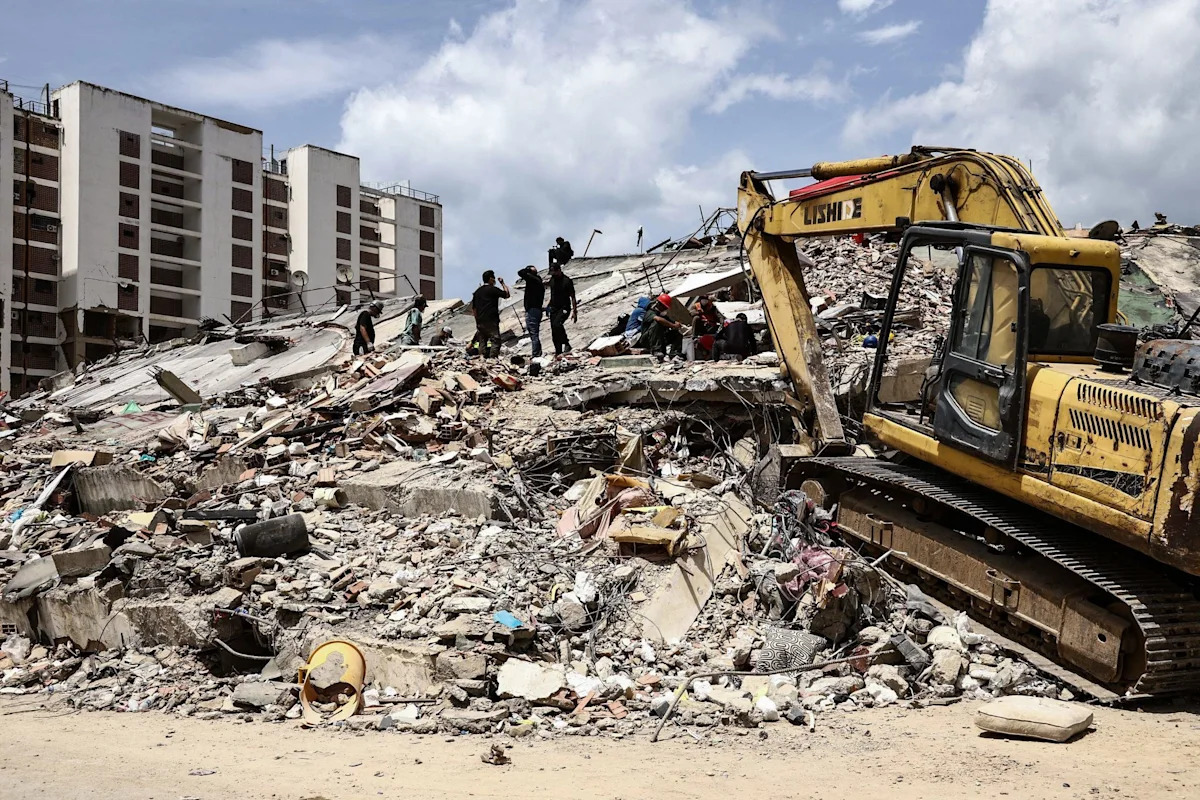
A pair of massive earthquakes struck Venezuela's coastal state of La Guaira on June 24, killing 5,069 people and injuring 16,740 more. The back-to-back quakes — measuring 7.2 and 7.5 magnitude and hitting within about a minute of each other — left roughly 20,000 people homeless and scrambling for shelter in overcrowded camps.
Now, Venezuela is tapping $346 million from the International Monetary Fund to fund its recovery. Acting President Delcy Rodríguez announced the move as the country faces a massive rebuilding challenge — housing, water networks, and electricity infrastructure all badly damaged north of Caracas.
Twin Quakes Flatten Coastal Communities Near Caracas
The two quakes struck in rapid succession along the La Guaira coastline, just north of the capital Caracas. Their combined force was devastating. More than 5,000 people died and nearly 17,000 were hurt. Around 20,000 survivors were pushed into emergency camps, many without reliable water or basic sanitation, according to Telesur English.
La Guaira is a densely populated state that includes Venezuela's main port and its international airport. The location made the disaster worse — critical supply routes and infrastructure were knocked out at a moment when relief supplies needed to move fast.
Venezuela Draws $346 Million From Its Own IMF Reserves
The $346 million does not come from a traditional IMF loan. It comes from Venezuela's reserve tranche — money the country already holds at the IMF as part of its membership. Think of it like withdrawing from your own savings account, not borrowing from a bank. Yahoo News reported the funds are earmarked for urgent humanitarian needs.
These funds are separate from Venezuela's Special Drawing Rights, which remain blocked. The government says the money will go toward housing reconstruction, repairing water and electricity networks, and restoring essential public services for thousands of displaced families, according to Telesur English.
IMF and World Bank Resumed Ties With Venezuela in April
The $346 million access would not have been possible a year ago. The IMF and World Bank had frozen ties with Venezuela for years over political and economic disputes. That changed in April, when both institutions quietly resumed engagement with Caracas, Yahoo News reported. That shift opened the door to this emergency drawdown.
Officials are also pushing to lift international sanctions and unblock Venezuelan assets held abroad. Rodríguez framed the IMF funds as a first step in a broader international recovery effort — not the last. The government is separately negotiating agreements with Russia and U.S. energy firms to help rebuild the country's battered electricity grid.
Reconstruction Ahead Is Massive — And Just Getting Started
Officials have been direct about the scale of what lies ahead. Thousands of families remain in temporary camps. Housing stock, water systems, and power lines across La Guaira need rebuilding from scratch in many areas. The $346 million is a start, but experts and officials alike say much more will be needed.
Rodríguez stressed the government's commitment to a fast recovery but acknowledged the challenge is enormous. Venezuela's economy was already strained before the quakes hit. Getting international financial institutions back on board — and keeping them there — will be key to any long-term rebuilding plan, according to Yahoo News.
Sentiment
Mostly NegativeNEGATIVENEUTRALPOSITIVE
Publishers
17
Articles
15
Reach
32
A
AnonymousAuthor


