Brampton Plant Closure
Stellantis Weighs Closing Brampton Plant, Threatening Thousands of Jobs Amid Tariffs
Key Points
Unifor Local 1285 represents about 8,000 workers, including roughly 2,800 auto workers in Brampton.
Ottawa served Stellantis with a notice of default in December, and Industry Minister Mélanie Joly said federal funding to Stellantis was part of the discussion.
Stellantis moved the Jeep Compass production to Illinois and paused Brampton production in February 2025, actions tied to tariffs imposed by the U.S. under President Donald Trump.
New 50% tariffs aimed at the auto sector are set to take effect Aug. 19, worsening Canada–U.S. trade tensions affecting the auto industry.
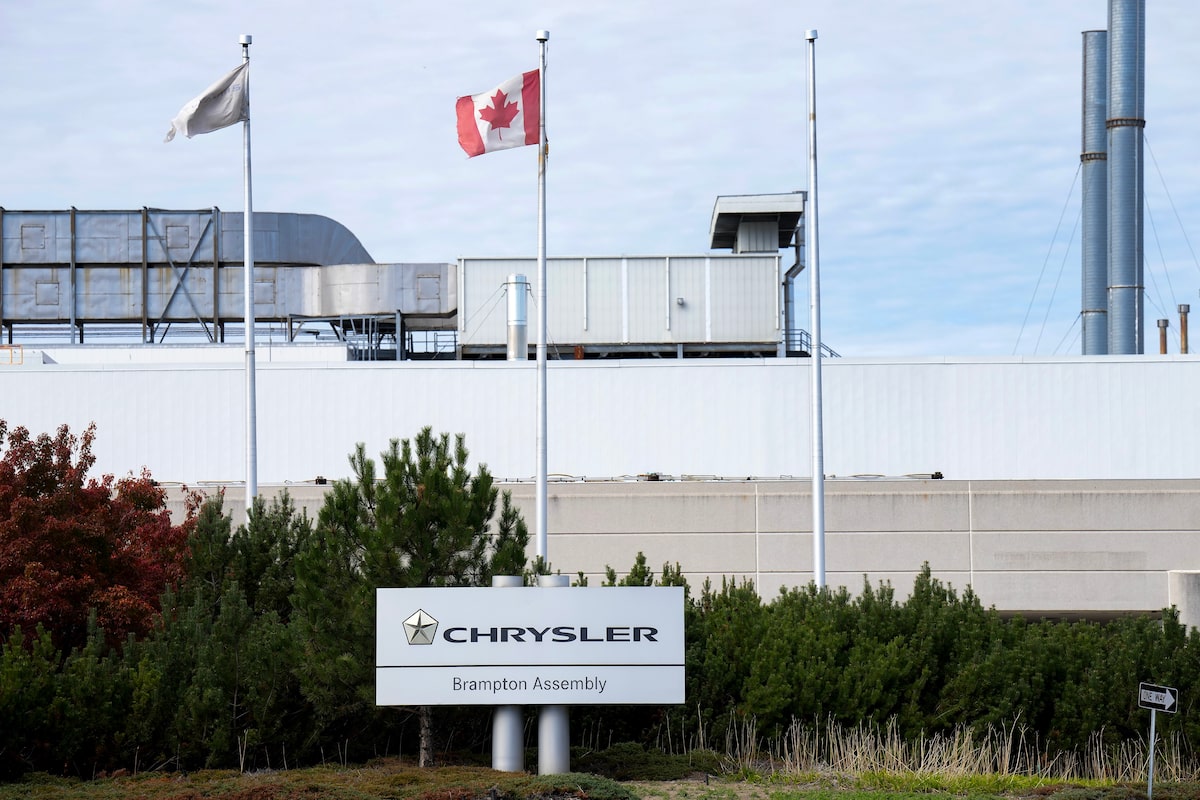
Stellantis is seriously considering closing and selling its Brampton Assembly Plant in Ontario, a move that would eliminate roughly 3,000 jobs and deal a major blow to the region's economy, The Globe and Mail reported. Unifor national president Lana Payne called the news "a gut punch," saying the automaker informed the union this week — though no formal written notice has been delivered as required under the collective agreement.
The Brampton plant has sat idle since February 2025, when Stellantis paused production amid U.S. tariffs, according to Global News. Now, with new 50% tariffs on the auto sector set to take effect Aug. 19, the company appears to be moving toward a permanent exit.
Jeep Compass Move Left Brampton Plant Standing Still
Stellantis dealt Brampton its first major blow earlier in 2025. The company moved Jeep Compass production from Brampton to an Illinois factory, then halted all activity at the Ontario plant in February, according to Global News. The pause was tied directly to tariffs imposed by U.S. President Donald Trump. Since then, the plant's roughly 3,000 workers have been waiting for news.
Unifor Local 1285 represents about 8,000 workers in the region, including roughly 2,800 auto workers in Brampton. Payne said the union is demanding at least one year's formal notice and wants the plant's future addressed in contract negotiations. No formal written notice has been given yet, The Globe and Mail reported.
Ottawa Disputes Federal Funding Tied to Stellantis Deal
The federal government is not standing on the sidelines. Ottawa served Stellantis with a notice of default in December, signaling that the company may have breached terms tied to federal funding, The Globe and Mail reported. Industry Minister Mélanie Joly confirmed that federal money given to Stellantis is part of the ongoing dispute.
Stellantis had previously signaled a commitment to keeping Brampton open. Those assurances now appear to be fading fast. The company has not yet commented publicly on Unifor's announcement, according to The Wall Street Journal.
Roshel Named as Possible Buyer for the Idle Factory
The plant may not stay dark forever. Defence manufacturer Roshel has been mentioned as a potential buyer for the Brampton site, according to Head Topics. Roshel makes armoured vehicles and has been looking to expand its manufacturing footprint. No deal has been confirmed.
The prospect of a sale adds another layer of uncertainty for workers. A new owner could mean a different kind of factory — and far fewer jobs. Payne said the union wants clarity now, not after a final decision is made.
New 50% Auto Tariffs Darken Canada's Manufacturing Outlook
The Brampton situation does not exist in a vacuum. New U.S. tariffs targeting the auto sector — set at 50% — are scheduled to kick in on Aug. 19, according to The Globe and Mail. Those tariffs make it harder for Canadian-made vehicles to compete in the U.S. market, which is the destination for most of what Canadian plants produce.
Canada–U.S. trade tensions have been rising all year. The auto sector has been one of the hardest hit. For Stellantis, the combination of tariffs, a stalled plant, and a federal dispute makes keeping Brampton open a costly proposition — and selling it an increasingly attractive one, Market Screener reported.
Sentiment
Mostly NegativePublishers
11
Articles
111
Reach
122


