Clark's WNBA Impact
WNBA Players Express Discontent Amidst League Growth and Caitlin Clark's Soaring Popularity
Anonymous
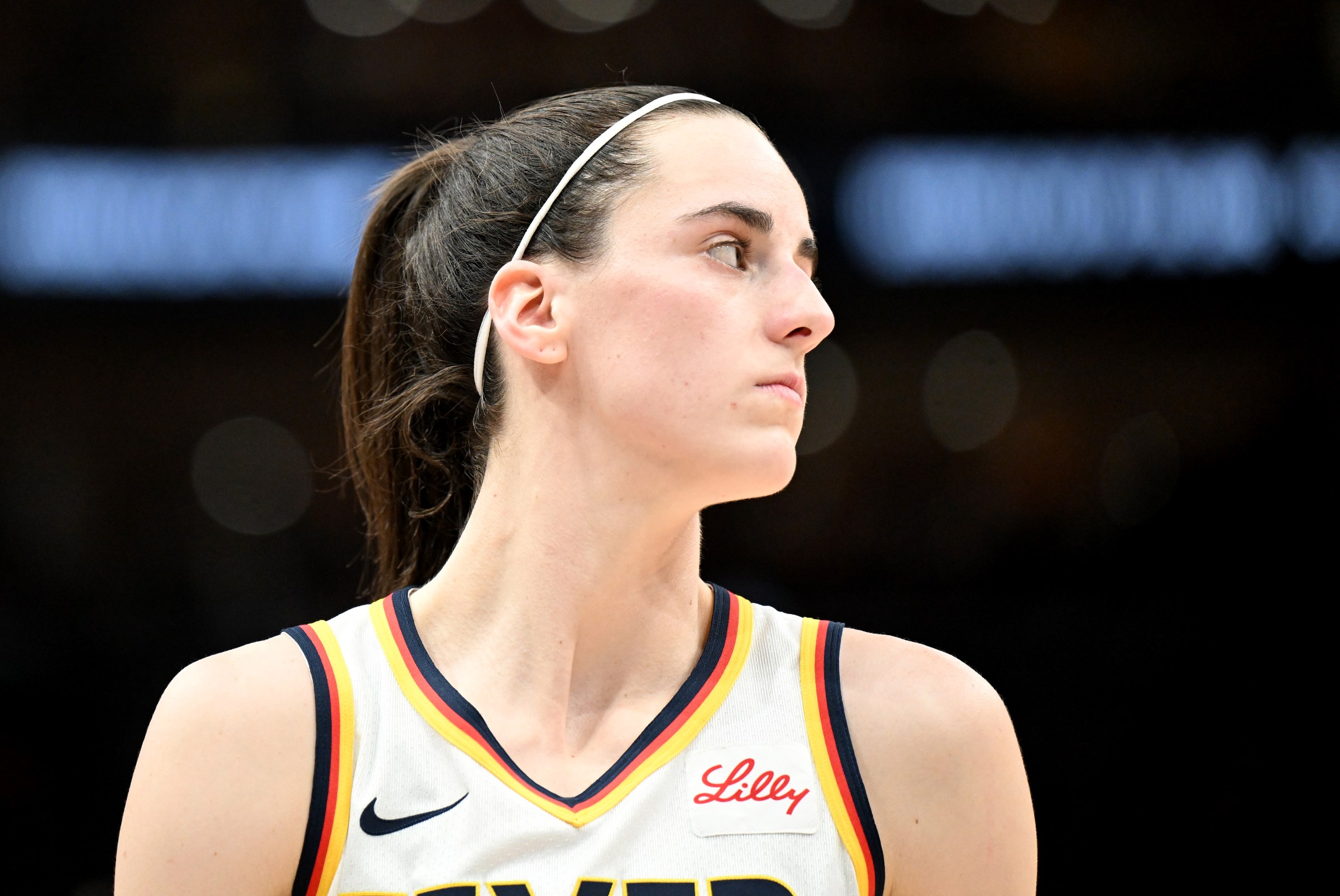
The WNBA is riding a historic wave of growth — and Caitlin Clark is the reason. Since the Indiana Fever selected Clark as the No. 1 overall pick in the 2024 WNBA Draft, the league has seen record ticket sales, merchandise revenue, and TV ratings. But not everyone is celebrating. According to Idaho Statesman, some players are openly unhappy about being "overshadowed" by Clark's spotlight.
The tension puts WNBA Commissioner Cathy Engelbert in what Miami Herald calls an "unenviable" position. She faces criticism from multiple directions — some say she has prioritized Clark over the rest of the players, while others note she has not attended a single Fever game in Indianapolis since Clark arrived.
Clark's Arrival Transformed WNBA Revenue and Attention
Caitlin Clark did not just join a team — she changed the league's financial picture almost overnight. Ticket sales surged across the board, not just for Fever games. TV ratings climbed to levels the league had rarely seen before. Merchandise tied to Clark sold at a pace that left other players' gear far behind. The boom was real, measurable, and undeniable.
The growth benefited the entire league, not just the Fever. More eyeballs on games meant more ad revenue and bigger TV deals. Sponsors took fresh interest in the WNBA. Yet Star-Telegram reported that many players felt the credit — and the cash — did not flow equally to those who had built the league for years before Clark arrived.
Veteran Players Feel Left in Clark's Shadow
Behind the revenue numbers, frustration has been building in locker rooms. Sacramento Bee reported that some players feel their own contributions are being ignored. Stars who spent years fighting for better pay and recognition say the media and the league office now act as if the WNBA only just became worth watching. That perception stings.
The complaints are not just about attention. Players say the imbalance is structural. Clark's fame brings money to the league, but veteran players argue they are not seeing enough of that new money in their own paychecks or marketing deals. Fresno Bee noted that the gap between Clark's visibility and that of her peers has become a genuine source of tension.
New CBA Promises Bigger Paychecks but Tensions Remain
The league and players did reach a new collective bargaining agreement, known as a CBA. The deal brings significantly higher pay for all players compared to the previous contract. For many, it is a major step forward. But some players say the raise would not have happened without Clark driving new revenue — and that raises its own complicated feelings.
The new CBA is a win on paper. But the underlying tension over recognition and credit has not gone away. Players want to feel like partners in the league's success, not footnotes in a Caitlin Clark story. Herald Sun reported that the question of how to fairly share both money and spotlight remains unresolved, even after the new deal was signed.
Commissioner Engelbert Caught Between Clark and Her Players
Commissioner Cathy Engelbert has no easy path here. Critics say she has leaned too hard into the Clark phenomenon, letting one player define the league's public image. At the same time, she has reportedly not attended a Fever home game in Indianapolis since Clark joined the team — a detail that has not gone unnoticed by those who think she is not doing enough to champion Clark either.
Kentucky reported that Engelbert's position is being called "unenviable" by those watching from the outside. She must keep veterans feeling valued while also nurturing the Clark-driven boom that is funding the league's future. How she balances those two demands will shape the WNBA's culture — and its business — for years to come.
Sentiment
NeutralNEGATIVENEUTRALPOSITIVE
Publishers
16
Articles
15
Reach
16
Topics
A
AnonymousAuthor


