Congo Ebola Strike
Ebola Treatment Workers in Congo Strike Over Unpaid Salaries and Bonuses
Anonymous
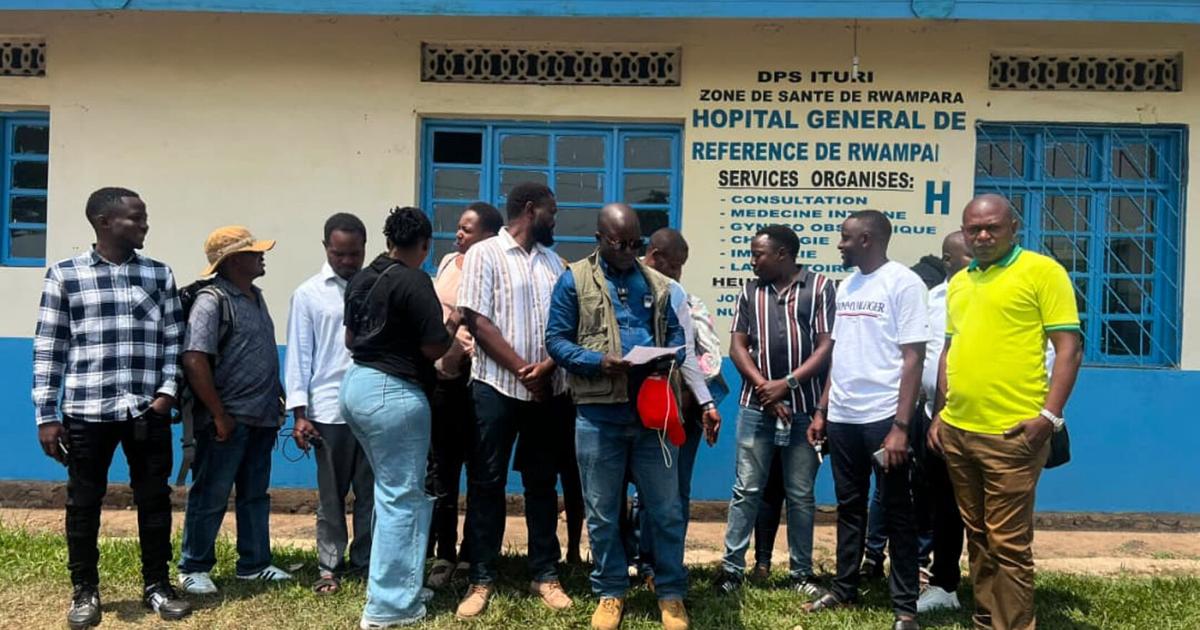
Dozens of workers at an Ebola treatment center in northeast Congo have walked off the job over unpaid salaries and bonuses, according to Union Bulletin. The strike at Rwampara General Hospital in Ituri province adds a serious new threat to what is already the fastest-growing Ebola outbreak ever recorded.
Health workers treating Ebola patients are among the most at-risk people in any outbreak. A strike means fewer trained hands to care for the sick — and a greater chance the virus spreads further, according to WDRB.
Workers Walk Out Amid Unpaid Wages and Bonuses
Staff at Rwampara General Hospital in Ituri province launched the strike after going without pay for an extended period, Journal News reported. The workers include doctors, nurses, and support staff who are directly involved in treating Ebola patients. They say they have not received their salaries or the hazard bonuses promised to health workers facing the deadly virus.
Hazard bonuses are extra payments given to workers who take on dangerous jobs. Treating Ebola is one of the most dangerous jobs in medicine. The virus kills a large share of those it infects, and health workers are at constant risk of exposure, according to Dayton Daily News.
Strike Hits the Fastest-Growing Ebola Outbreak on Record
The timing could not be worse. The current outbreak in northeast Congo is the fastest-growing Ebola outbreak ever recorded, according to WDRB. A strike at a key treatment center puts both patients and the surrounding community at greater risk.
Ebola treatment centers need fully staffed teams to safely isolate patients and contain the virus. When staff leave their posts, patients may not get proper care. Infected people could also leave the facility, spreading the disease to others, Union Bulletin reported.
Ituri Province Already Struggling With Conflict and Disease
Ituri province has faced years of armed conflict and instability. That has made it one of the hardest places in Congo to run health services. Paying staff on time in a conflict zone is difficult, but health workers say they cannot afford to go without income while risking their lives, according to Herald Bulletin.
The strike shows the human cost behind fighting a disease like Ebola. Stopping an outbreak takes more than medicine and equipment. It takes a paid, motivated workforce willing to show up every day in dangerous conditions. Without that, even the best response plans can fall apart, Dayton Daily News reported.
What Comes Next for the Outbreak Response
It is not yet clear how long the strike will last or whether authorities have offered any response to the workers' demands. Resolving the dispute quickly is critical. Every day the treatment center runs short-staffed is a day the virus has more room to spread, according to Journal News.
The Congo Ebola outbreak has already strained international health resources. Adding a labor dispute on top of an active, fast-moving outbreak puts pressure on local officials and global health organizations to act fast. Workers are calling for immediate payment before they return to their posts, Union Bulletin reported.
Sentiment
NeutralNEGATIVENEUTRALPOSITIVE
Publishers
5
Articles
5
Reach
5
Topics
A
AnonymousAuthor


