McIlroy's Open Warning
McIlroy warns PGA Tour's 2028 two-tier schedule threatens national open identity by excluding top players.
Anonymous
Key Points
1
The PGA Tour's planned two-tier schedule includes a Championship Series of about 15 events with roughly 120 players, running February to August each year, tapping into the current $20 million purses for Signature Events; importantly, no tournament would be mandatory and players who skip would not be replaced by alternates or wildcards.
2
A formal promotion mechanism would exist between Challenger and Championship tiers: Challenger players would not be eligible for Championship events (and vice versa) unless they win two events in the same season to gain immediate promotion.
3
The Scottish Open would not qualify for Championship status under the new plan, meaning many top players would be ineligible from 2028; for example, 14 of the world’s top 20 were competing this week but would likely not be eligible next year.
4
The Scottish Open purse is £6.7 million, far below the $20 million level associated with Championship events; Bob MacIntyre argued it would be “a bit mad to put a $20m event in Scotland” and that a Scottish Open upgrade should be avoided in favor of a Rolex/European Tour-style status.
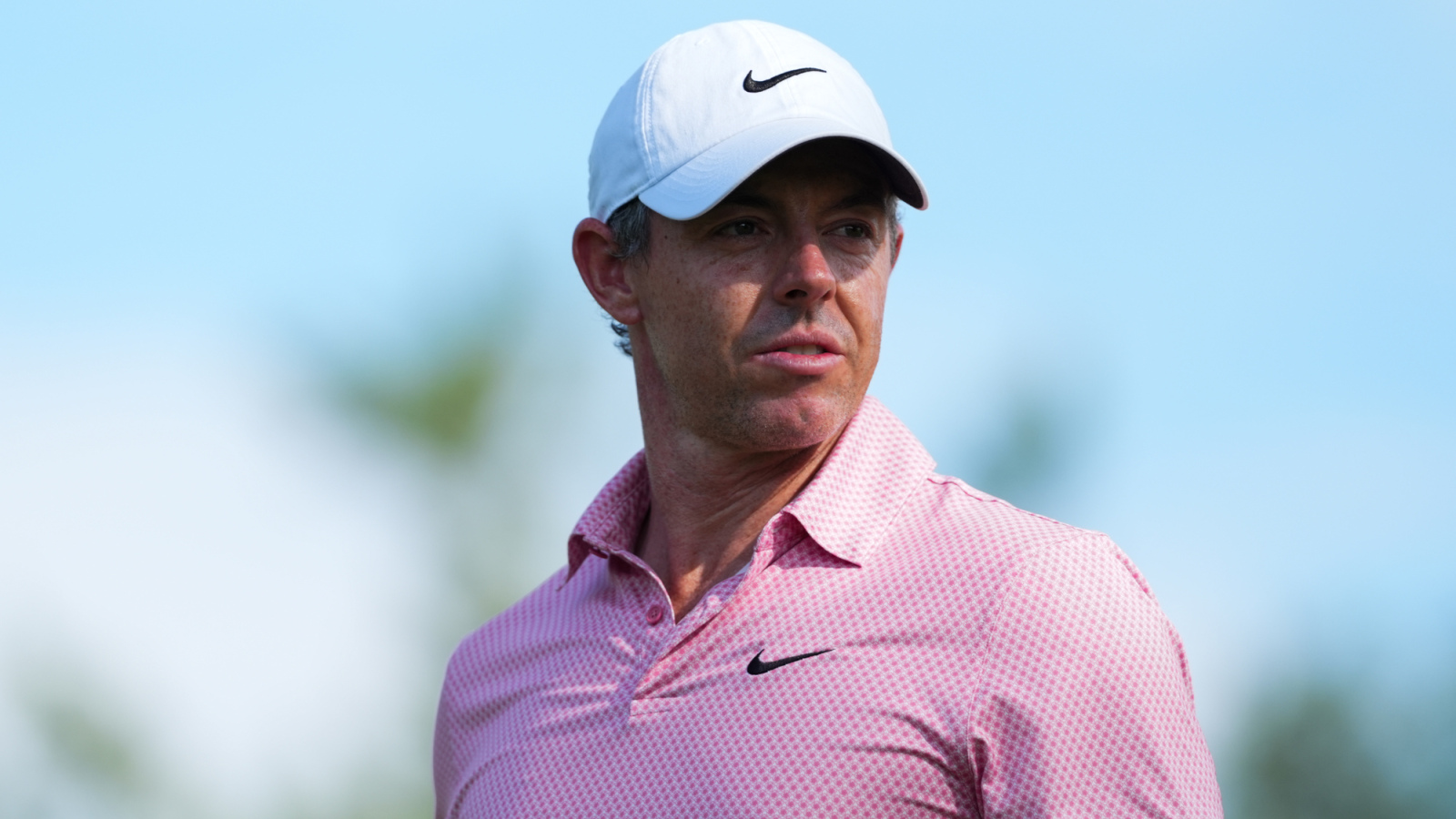
Rory McIlroy has issued a sharp warning to the PGA Tour: do not let the Scottish Open lose its identity under the new 2028 schedule. The four-time major champion says national opens must be "treated differently" and kept open to wide fields, not locked behind an elite-only gate. Dunfermline Press reported McIlroy urged the PGA Tour to be careful with how the changes are applied.
The PGA Tour's planned two-tier system would split events into a Championship Series of about 15 events for roughly 120 top players, and a lower Challenger series. The Scottish Open, with a purse of £6.7 million, falls well short of the $20 million level needed for Championship status. That gap puts its future field quality at serious risk from 2028.
How the Two-Tier Split Would Work
Under the PGA Tour's 2028 plan, players in the Challenger tier cannot play Championship events — and vice versa. The only way to move up mid-season is to win two events. No wildcards. No alternates for players who skip. Central Fife Times reported the plan would cover more than 20 million dollars in purses at the top level.
The Championship Series would run from February to August each year. Events at this level carry $20 million purses, matching the current Signature Event model. But no event would be mandatory — players can skip freely. That means top stars may still have scheduling freedom, but national opens outside the tier would lose automatic access to them.
Scottish Open Faces a Field Quality Crisis
This week, 14 of the world's top 20 players were competing at the Scottish Open. Under the new rules, most of them would not be eligible to play there from 2028. McIlroy called that prospect a serious problem. The event is co-sanctioned by the DP World Tour and benefits from its spot just before The Open Championship each year.
Scotsman Bob MacIntyre backed McIlroy's concern. He said it would be "a bit mad to put a $20m event in Scotland" and argued the Scottish Open should not be forced to upgrade its purse just to keep top players. MacIntyre said a model closer to the Rolex Series on the European Tour would be a better fit for the event's scale and tradition.
McIlroy Says National Opens Need Special Status
McIlroy argued that national opens are not just regular tour stops. They carry history, local identity, and broad access to players from multiple tours. He said these events should keep their "fabric" as national opens rather than become closed elite tournaments. Archynetys noted the event is co-covered by CBS and ESPN, showing its reach beyond the European circuit.
World number one Scottie Scheffler has also weighed in, echoing the need for exceptions to protect events like the Scottish Open. news.ssbcrack.com reported McIlroy stressed the importance of "maintaining the integrity" of national open tournaments as the Tour reshapes its calendar. Without carve-outs, these events risk becoming second-tier stops stripped of their star power.
Bigger Battle: Tradition vs. Tour Modernization
The Scottish Open dispute is part of a wider tension in golf. The PGA Tour wants a cleaner, more elite product. But national opens — events like the Scottish, Irish, and Dutch Opens — were built on open access and broad fields. Forcing them to choose between paying $20 million or losing top players puts their identity at risk.
McIlroy's voice carries weight here. He is both a player council leader and a link between the PGA Tour and DP World Tour worlds. His warning signals that even reform-minded players have limits. The PGA Tour has not yet confirmed how co-sanctioned events will be classified, and a final ruling before 2028 will be critical for events like the Scottish Open.
Sentiment
Mostly NegativeNEGATIVENEUTRALPOSITIVE
Publishers
10
Articles
39
Reach
49
A
AnonymousAuthor


