Wild Horse Welfare Allegations
New Report Alleges Wild Horses Sold for Slaughter Under Federal Program
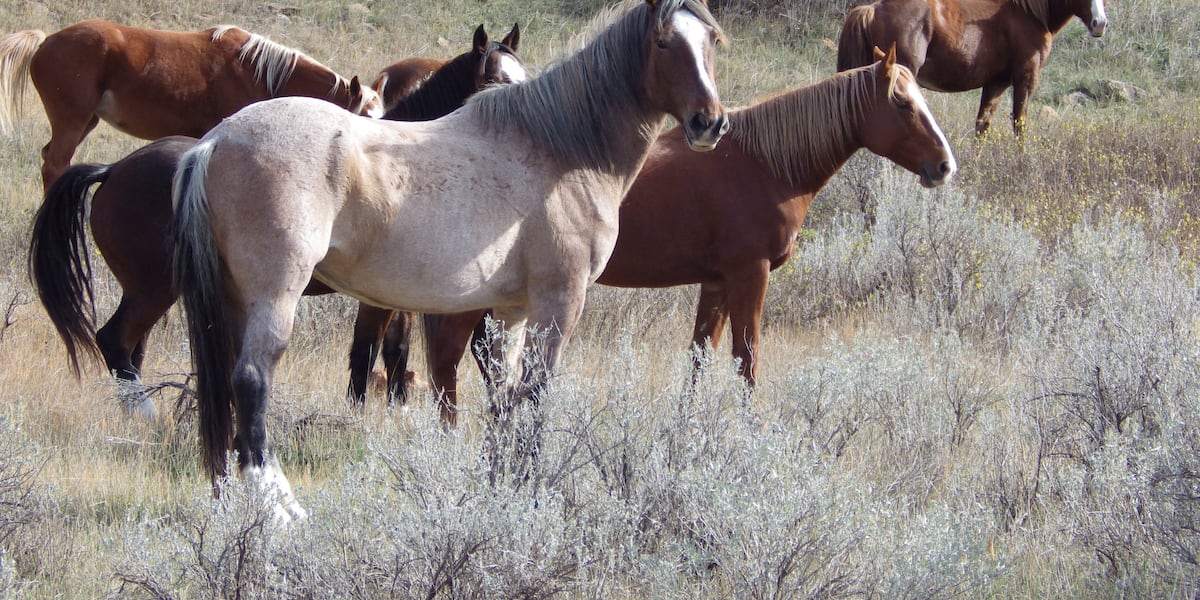
Hundreds of America's wild horses are being sold for as little as $25 and funneled to slaughter under the Trump administration, The New York Times reported in August 2026. The Bureau of Land Management sells horses deemed unadoptable, but once sold, they lose federal protection. At least one Ohio buyer purchased 496 mustangs in a single year and resold them to Canadian slaughterhouses, where they fetch $750 per head—a massive profit margin built on taxpayer-funded captures that cost $3,000 per horse.
Animal welfare groups say the government is using a legal loophole created in 2004 to launder wild horses into the slaughter pipeline. The BLM denies sending horses directly to kill buyers, but activists point out that initial buyers can resell the animals to unvetted middlemen not bound by anti-slaughter contracts. Humane World for Animals CEO Kitty Block called it a "betrayal," while Skydog Sanctuary founder Clare Staples said the BLM is doing it "in plain sight, using a third party."
The $25-to-$750 Profit Pipeline
The BLM captures wild mustangs from public lands at a cost of $3,000 per horse using helicopters. Horses that fail to attract adopters after three one-week listings are deemed "excess" and sold under the Sale Authority program. The New York Times found that Ohio livestock trader Brandon Jones bought 496 horses in 2025 for $25 to $125 each. He then resold them to Canadian slaughterhouses, which paid $750 per head—a profit of roughly $625 per animal.
Jones denied sending horses to slaughter, claiming he sold them to "good owners." But Fred Bauer, an Ohio horse exporter, was skeptical. "We all know what Brandon Jones is," Bauer told The New York Times. "Where do you think they're going?" The slaughter loophole exists because horse slaughter is illegal in the U.S., but exporting to Canada and Mexico for slaughter remains legal.
How the 2004 Loophole Opened the Floodgates
For decades, wild horses were protected under the Wild Free-Roaming Horses and Burros Act of 1971. Congress changed that in 2004 by attaching a Sale Authority amendment to a spending bill. The new rule allowed the BLM to sell unadoptable horses as ordinary livestock. Once sold, they lost all federal protection. Initial buyers sign contracts promising not to resell for slaughter, but loopholes abound.
Buyers bypass the anti-slaughter clause by reselling to unvetted middlemen and "kill buyers" not bound by federal contracts. The New York Times reported that wild horse sales more than doubled in 2025 to roughly 3,700 mustangs under Trump. Animal advocates call this "government laundering"—using third parties to distance the BLM from the slaughter outcome while claiming ignorance.
Taxpayers Pay $3,000 Per Horse, Then Lose Them for $25
The federal government spends $100 million annually to house 58,000 wild horses in holding facilities. Capturing each mustang costs $3,000. By selling 3,700 horses in 2025, the government claimed savings of $56 million in long-term care costs. But animal welfare groups argue this math ignores the true cost: federally protected wild horses ending up dead in foreign slaughterhouses.
About 73,000 wild horses remain on public lands. The BLM argues roundups are necessary to prevent overgrazing and ecological damage. Cattle ranchers support the removals, saying mustangs compete with livestock for grazing. But activists counter that livestock outnumber wild horses by tens of thousands and cause greater environmental harm. Meanwhile, Clare Staples of Skydog Sanctuary tracked individual horses for a year and concluded: "The only ones getting punished are the horses."
Congress and Activists Push Back Against the Loophole
Animal welfare groups are demanding action. Humane World for Animals called on the Interior Department to shut down the Sale Authority program immediately. Skydog Sanctuary's Clare Staples sent a formal letter to Interior Secretary Doug Burgum demanding a freeze. Activists are pushing Congress to pass the Save America's Forgotten Equines (SAFE) Act, which would permanently ban equine exports for slaughter.
The BLM maintains it does not send horses directly to slaughter and denies approving buyers with ties to kill operations. But The New York Times investigation showed Jones' application was approved despite his lack of mustang experience and a prior citation for violating the Packers and Stockyards Act. Animal advocates say the agency's oversight is too weak and the loophole too wide—leaving Congress as the only institution with power to close it.
Sentiment
NeutralPublishers
36
Articles
35
Reach
36


