Data Center Financing Scrutiny
Lenders scrutinize US data center loans amid community resistance, favoring states that welcome projects.
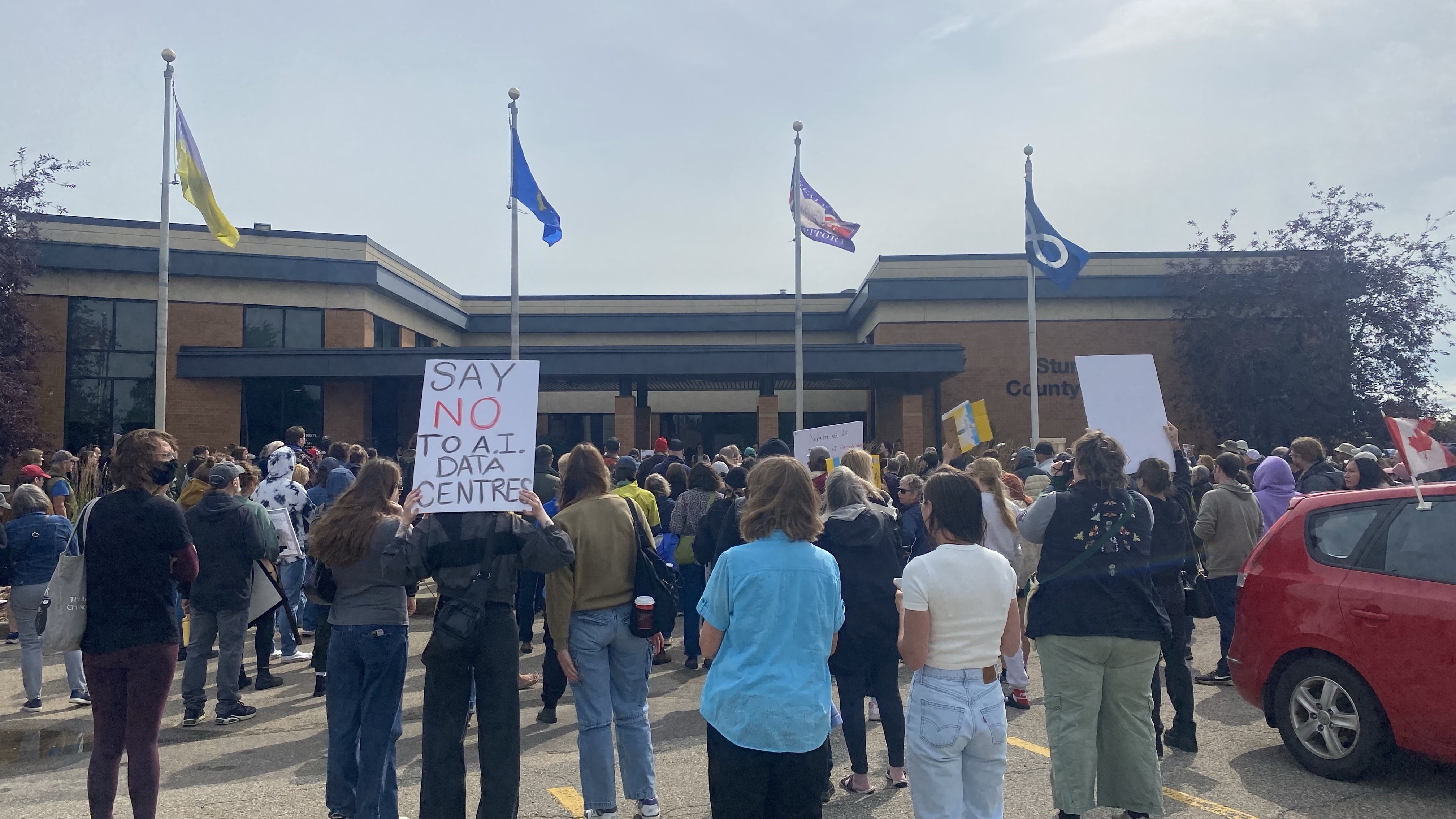
At least 75 U.S. data center projects worth roughly $130 billion are facing local opposition, and now Wall Street is paying attention, according to Reuters. Senior bankers say they are factoring in community resistance when deciding which projects to fund — and they are increasingly steering money toward states that welcome the facilities.
The scrutiny comes as the data center industry booms, driven by surging demand for artificial intelligence computing power. Lenders remain eager to invest in the sector. But they are no longer ignoring the growing backlash from neighborhoods worried about noise, water use, and strain on the electric grid, Reuters reported.
$130 Billion in Projects Now Face Local Pushback
Research firm Data Center Watch found that at least 75 data center projects, worth about $130 billion combined, are facing opposition from local communities, according to Tucson.com. That figure reflects how quickly resistance has spread across the country. Residents near proposed sites have raised alarms about heavy water consumption, loud cooling equipment, and the pressure large facilities put on local power grids.
Opposition has popped up in rural and suburban areas alike. Some communities have passed local rules to slow or block new construction. Others have organized public campaigns against specific projects. The resistance is no longer a fringe issue — it has become a real factor that banks must weigh before signing off on billion-dollar loans.
Banks Favor Friendlier States When Picking Projects
Senior bankers told Reuters they are now leaning toward projects in states with supportive local governments and clear permitting rules. States that have streamlined approvals or offered incentives to data center developers are becoming preferred destinations for financing. Projects in areas with strong community opposition carry more risk of delays, legal challenges, or cancellations — all of which hurt a lender's return.
Bankers are not walking away from the sector entirely. Data centers remain one of the hottest areas in project finance. But lenders are adding community sentiment to their checklist alongside traditional factors like creditworthiness and power supply. One misjudged project could mean years of costly delays.
AI Boom Keeps Lender Appetite Strong Despite Risks
Demand for data center capacity has exploded as technology companies race to build out AI infrastructure. That demand has made data center lending extremely attractive. Banks, private credit funds, and infrastructure investors have poured money into the space, drawn by long-term contracts with creditworthy tenants like major cloud providers.
That enthusiasm has not disappeared. Lenders still want exposure to the sector. They are simply becoming more selective. Projects with strong local support, reliable power access, and clear permitting paths will have an easier time securing financing. Those that face organized opposition may find credit harder — and more expensive — to come by.
Community Concerns Now Shape Billion-Dollar Lending Decisions
The shift in how banks assess data center loans marks a notable change for an industry that once moved fast with little public friction. Developers used to worry mainly about land, power, and fiber connections. Now, neighborhood sentiment carries financial weight. If a community fights back hard enough, it can delay a project long enough to make the economics fall apart.
For local communities, the dynamic creates new leverage. Organized opposition can now reach the ears of lenders, not just local planning boards. Whether that translates into better outcomes for residents — or simply pushes projects to less-organized areas — remains to be seen. But the era of data centers being built without financial scrutiny of public opposition appears to be over.
Sentiment
NeutralPublishers
17
Articles
17
Reach
17


