Global Market Downturn
Global Markets Stumble as Inflation Fears and Rising Treasury Yields Spur Rate Hike Expectations
Anonymous
Key Points
1
Three Federal Reserve policymakers had favored a rate increase at the July meeting, underscoring the depth of concern over persistent inflation ahead of the next decision. CreditSights strategist Zach Griffiths said 10-year Treasury yields could rise toward 5.5%.
2
The latest U.S. inflation data showed producer prices rising 0.4% month over month, headline consumer prices increasing 0.4% month over month and 3.4% year over year, and core CPI advancing 0.3% month over month—figures that provided little relief ahead of the Fed meeting.
3
The oil-supply threat involved more than general regional tensions: Yemeni rebels reportedly seized the Red Sea port city of Mocha and bombed Saudi Arabia’s East-West pipeline, which normally transports about 4.5 million barrels a day to tanker facilities on the Red Sea.
4
Indian-market analysts identified 23,000 as a downside trigger for the Nifty, with potential declines toward 22,800–22,500, while 23,600–23,650 was described as the key resistance zone; they advised considering long positions only above 23,650.
5
Bitcoin slipped as expectations faded for near-term progress on a U.S. cryptocurrency regulatory bill, weighing on crypto-related stocks in premarket trading.
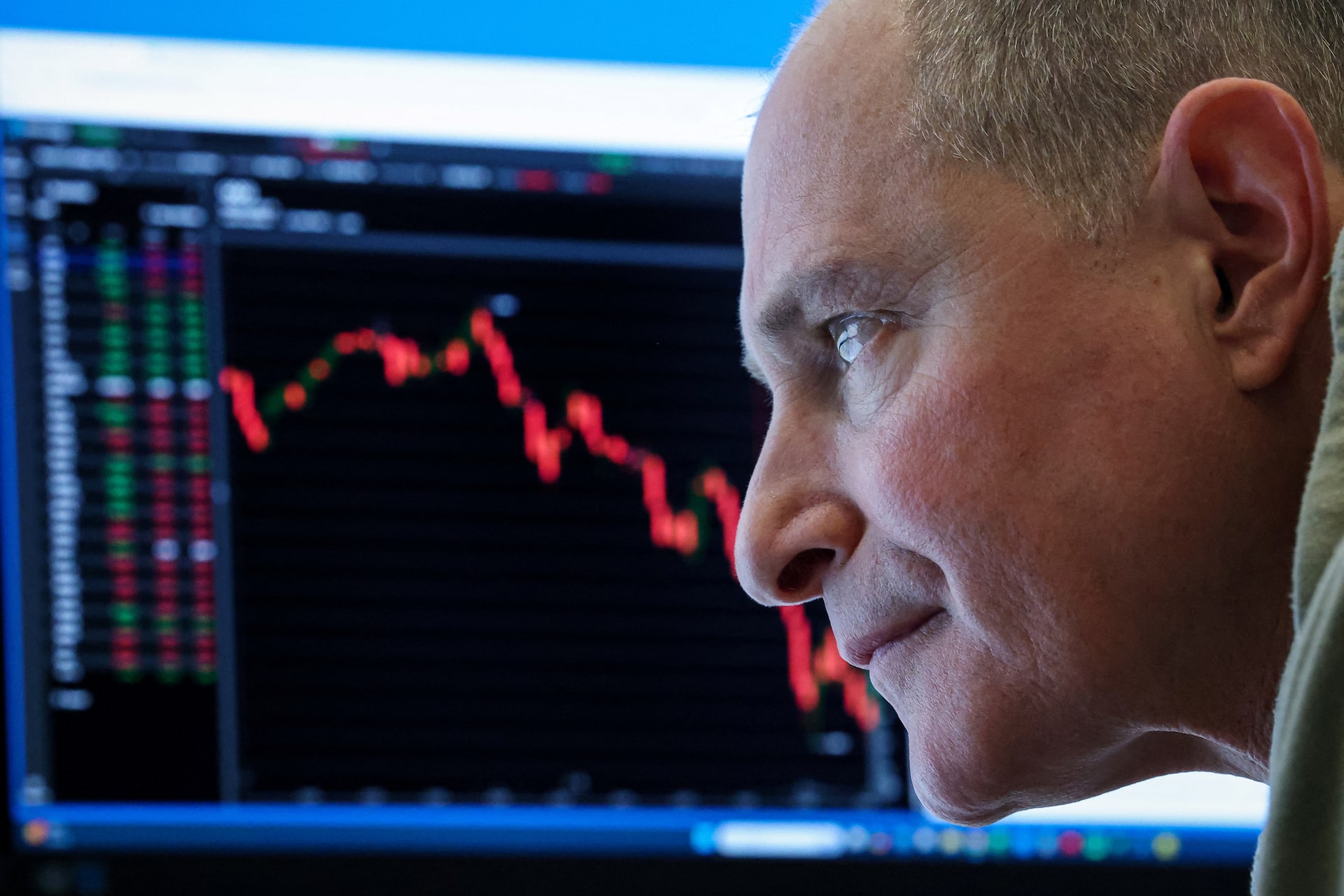
Global stock markets retreated this week as inflation fears and surging oil prices pushed expectations of a Federal Reserve rate hike above 90%. The 10-year Treasury yield briefly reached 5% — its highest level since October 2023 — pressuring technology stocks and strengthening the dollar. Yahoo Finance reported that concerns over persistent inflation and rising interest rates weighed heavily on investor sentiment throughout the shortened trading week.
The sell-off was broad: the Dow fell 1.6%, the S&P 500 dropped 0.8%, and the Nasdaq slipped 0.7%. Oil climbed above $100 a barrel after Yemeni rebels seized a Red Sea port and damaged Saudi Arabia's East-West pipeline, which normally carries 4.5 million barrels per day. Trading View noted that higher bond yields from Middle East escalation drove stocks down as much as 0.6% on Tuesday alone.
Fed Inflation Fighters Signal More Rate Hikes Ahead
Three Federal Reserve policymakers voted for an immediate rate increase at July's meeting, underscoring deep alarm over sticky inflation. The latest U.S. inflation data offered little relief: producer prices rose 0.4% month-over-month, headline consumer prices climbed 0.4% monthly and 3.4% yearly, and core inflation advanced 0.3% monthly. CreditSights strategist Zach Griffiths warned that 10-year Treasury yields could rise toward 5.5% if fiscal deficits and energy inflation persist.
Red Sea Crisis Pushes Oil Above $100 a Barrel
Yemeni rebels captured the strategic port city of Mocha on the Red Sea and bombed Saudi Arabia's East-West pipeline this week. That pipeline normally transports 4.5 million barrels daily to tanker terminals. The disruption, combined with broader Middle East tensions, sent WTI crude above $100 per barrel. Post Register reported that rising oil prices added to bond market pressure, intensifying the downward pressure on U.S. equities.
Technology Stocks Face Headwinds From Safety Slowdowns
Tech investors face conflicting signals this week. Higher bond yields reduce the appeal of growth stocks that rely on distant profits, while major AI leaders agreed over the weekend to slow frontier-model development for safety reasons. Markets worry that voluntary delays in AI progress could dampen the sector's long-term growth story. Meanwhile, Bitcoin slipped as expectations faded for near-term progress on U.S. cryptocurrency regulation, WFMZ reported, weighing on crypto-related equities in premarket trading.
India's Stock Rally Stalls for Fifth Consecutive Week
India's Sensex and Nifty indexes both extended losses into their fifth week of decline. Market analysts identified 23,000 as a downside trigger for the Nifty, with potential drops toward 22,800–22,500. The key resistance zone sits at 23,600–23,650. While some analysts view the Nifty as technically oversold, they advised caution: take long positions only if the index convincingly breaks above 23,650. Broader investment guidance now favors financially resilient companies with recurring revenue, low debt, and steady dividends.
Sentiment
Mostly NegativeNEGATIVENEUTRALPOSITIVE
Publishers
35
Articles
180
Reach
215
A
AnonymousAuthor


