Samsung's Peptide Power Play
Samsung Biologics Acquires PolyPeptide in Record $1.81 Billion Deal, Expands Peptide Drug Portfolio
Anonymous
Key Points
1
Samsung Biologics agreed to acquire its first US drug manufacturing facility from GSK for $280 million, a move described as reducing risks from policy shifts under the current US administration.
2
PolyPeptide Group was spun off from Ferring's peptide unit in 1996, highlighting its long-standing focus on peptide therapeutics.
3
PolyPeptide also touts proprietary eco-friendly manufacturing technology that dramatically reduces the use of organic solvents, lowering waste output in peptide production.
4
The deal is an all-cash bid valued at about 1.46 billion Swiss francs (roughly 2.7 trillion won), with Samsung offering 44.31 Swiss francs per share and a roughly 6.1% premium; Draupnir Holding, which owns a majority stake, plans to tender its shares, signaling early momentum.
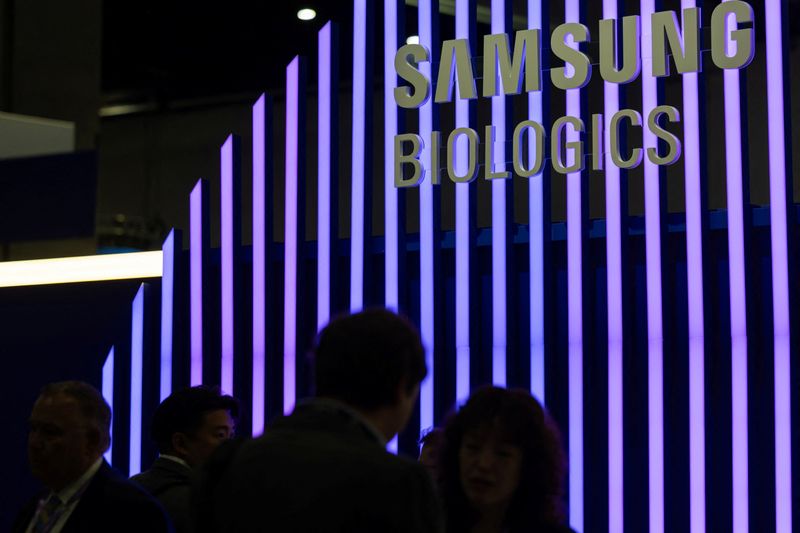
Samsung Biologics is making the biggest biotech deal in South Korean history. The company plans to buy Switzerland's PolyPeptide Group for 1.46 billion Swiss francs — about $1.81 billion — in an all-cash offer, according to WIFC. The bid values each PolyPeptide share at 44.31 Swiss francs, a roughly 6.1% premium over the stock's last closing price.
The move pushes Samsung Biologics into the fast-growing peptide drug market, which powers blockbuster obesity and diabetes treatments like GLP-1 therapies. Samsung aims to own 100% of PolyPeptide and expects the deal to close by the end of December.
Why Samsung Is Betting Big on Peptide Drugs
Peptide drugs — small protein-like molecules — sit at the heart of the obesity and diabetes boom. GLP-1 treatments from companies like Novo Nordisk and Eli Lilly have driven explosive demand for peptide manufacturing. Samsung Biologics already makes antibodies, mRNA, and ADC drugs. Adding peptides fills a major gap in its lineup.
PolyPeptide has worked on more than 1,000 peptide programs since its founding. The Swiss company spun off from drugmaker Ferring's peptide unit in 1996 and has built a long track record in the space. It also uses proprietary eco-friendly technology that sharply cuts the use of organic solvents, reducing manufacturing waste.
Six Sites Across Five Countries Join Samsung's Network
PolyPeptide runs six production and R&D sites spread across five countries, including locations in Europe, the US, and India. That global footprint gives Samsung Biologics immediate manufacturing scale in key markets. It would be nearly impossible to build that infrastructure from scratch in a short time.
Draupnir Holding, the majority shareholder in PolyPeptide, has said it plans to tender its shares in the offer. That early support signals strong momentum for the deal to go through. Samsung plans to buy out controlling shareholders first, then launch a formal tender offer for the remaining shares.
Samsung Also Buys Its First US Factory From GSK
In a separate but related move, Samsung Biologics agreed to buy a US drug manufacturing facility from GSK for $280 million. This marks Samsung's first owned production site inside the United States. The company says the deal reduces risk from potential policy shifts under the current US administration.
Until now, Samsung Biologics made all its drugs in South Korea and relied on partners for US-based output. Owning a domestic US plant diversifies its supply chain and reduces exposure to trade disruptions. Together, both deals signal a clear push to spread Samsung's manufacturing base across multiple continents.
A Record Deal That Reshapes Korea's Biotech Landscape
The PolyPeptide acquisition, valued at about 2.7 trillion won, would be the largest M&A deal in Korean biotech history, according to 927 The Van. Samsung Biologics has grown rapidly as a contract drugmaker, but this deal marks a shift — from building capacity to buying it outright.
The combined moves — a $1.81 billion peptide platform in Switzerland and a $280 million US plant from GSK — show a company in expansion mode. Samsung is betting that broader geography and more drug types will capture a larger share of the booming global biopharma outsourcing market.
Sentiment
Mostly PositiveNEGATIVENEUTRALPOSITIVE
Publishers
46
Articles
141
Reach
187
A
AnonymousAuthor


