Argentine Football Under US Scrutiny
US Expands $300 Million Probe into Argentine Football; AFA Denies Officials Detained
Anonymous
Key Points
1
An airport witness described federal agents questioning Tapia and Toviggino for about 30 minutes on a bus parked on the tarmac before the Argentina delegation departed.
2
Port Authority of New York and New Jersey referred inquiries to the FBI, which declined to comment on the matter.
3
The court document is said to be addressed to a third party rather than Tapia or Toviggino, and it does not order their appearance or seize their property.
4
December raids on football-related entities have intensified the investigation into money laundering and financial irregularities in Argentine football as context for the probe.
5
The AFA urged media to verify court documents before publishing claims and warned it may pursue legal action against false reporting affecting the institution.
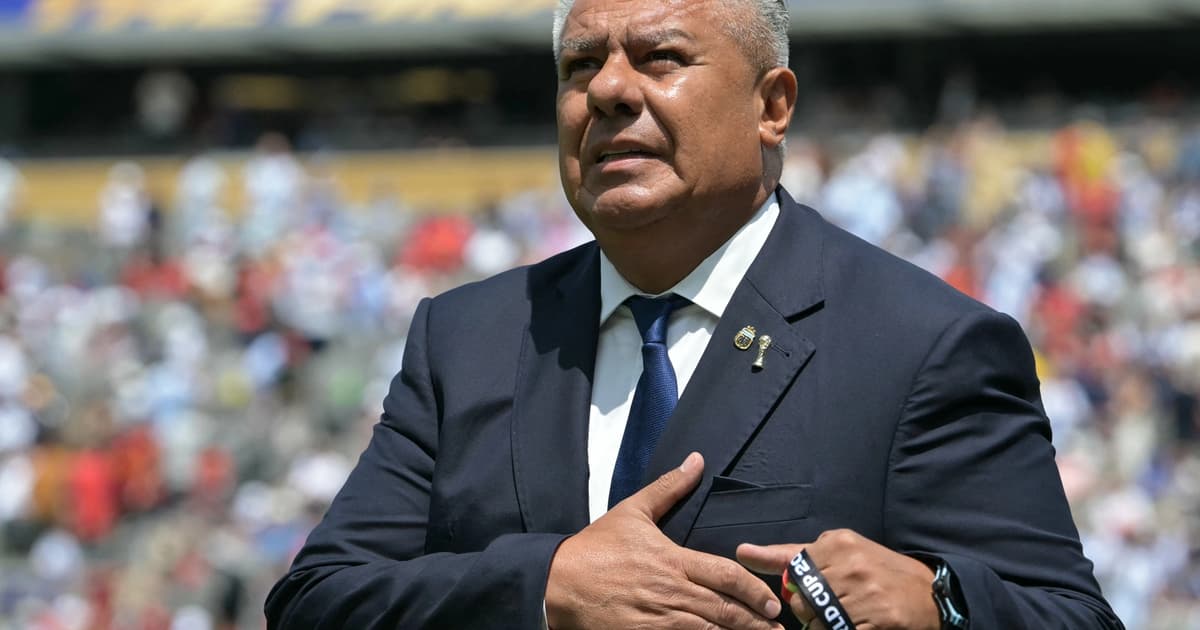
Argentina's Football Association (AFA) is pushing back hard against reports that its president, Claudio Tapia, and treasurer, Pablo Toviggino, were detained or summoned by US courts. The denials came days after Argentina lost to Spain in the 2026 World Cup final — and just as US prosecutors expanded a probe worth roughly $300 million into AFA finances routed through American banks, according to Reuters.
The AFA confirmed one fact: a US grand jury subpoena was issued — but it was addressed to a third party, not Tapia or Toviggino personally. The association said no devices were seized and no personal orders were given. It warned media outlets to verify court documents before publishing and signaled it may pursue legal action over what it called false reporting, Free Malaysia Today reported.
What Witnesses Saw on the JFK Tarmac
Despite the AFA's denials, at least one airport witness described a striking scene. Federal agents questioned Tapia and Toviggino for roughly 30 minutes on a bus parked on the tarmac at JFK. This happened before the Argentine delegation boarded their flight home. The Port Authority of New York and New Jersey referred questions about the incident to the FBI. The FBI declined to comment, according to Flashscore.
The AFA rejected the word "detained." It said the court document names a third party and does not order the appearance of either official. It also denied that anyone seized phones, laptops, or other devices from the delegation. The gap between witness accounts and the AFA's statement leaves key facts still in dispute, Headtopics noted.
A $300 Million Probe Into AFA's US Bank Transactions
US prosecutors are investigating roughly $300 million in AFA financial transactions that passed through American banks. The probe targets money laundering and financial irregularities inside Argentine football. Investigators have been examining governance and fund flows linked to the AFA's top leadership, according to Reuters.
This investigation does not appear in isolation. December raids on football-related entities sharpened the probe's focus. US authorities have broad legal reach when foreign money moves through American financial systems. That reach is what brings Argentine football business under the jurisdiction of a US grand jury, Free Malaysia Today reported.
FIFAgate's Long Shadow Over South American Football
This probe fits a pattern that began with the FIFAgate scandal — a massive US-led crackdown on corruption in world football that started in 2015. In that case, the FBI and Department of Justice charged dozens of football officials with bribery, fraud, and money laundering tied to US banks. Several South American officials were convicted or pleaded guilty, according to Streamline Feed.
US prosecutors have shown they are willing to pursue cases involving foreign sports bodies when American financial systems are involved. The current AFA probe continues that enforcement strategy. The fact that a grand jury subpoena has already been issued suggests the investigation has moved well past its early stages.
AFA Threatens Legal Action, Calls for Media Accountability
The AFA issued a pointed statement after the reports spread. It urged journalists to "verify court documents" before publishing claims about its leaders. It also warned that it may take legal action against outlets whose reporting it says harms the institution, Headtopics reported. The association framed the coverage as inaccurate and damaging.
Whether the AFA follows through on legal threats remains to be seen. But the statement signals how seriously leadership is treating the reputational risk. With a $300 million probe active and grand jury proceedings underway, Argentine football faces intense scrutiny — at home and in US federal courts — regardless of how this episode is ultimately resolved, according to Flashscore.
Sentiment
Mostly NegativeNEGATIVENEUTRALPOSITIVE
Publishers
18
Articles
17
Reach
35
A
AnonymousAuthor


