Press Access Lawsuit
Federal Judge Temporarily Blocks White House Ban on Selected Media Outlets
Anonymous
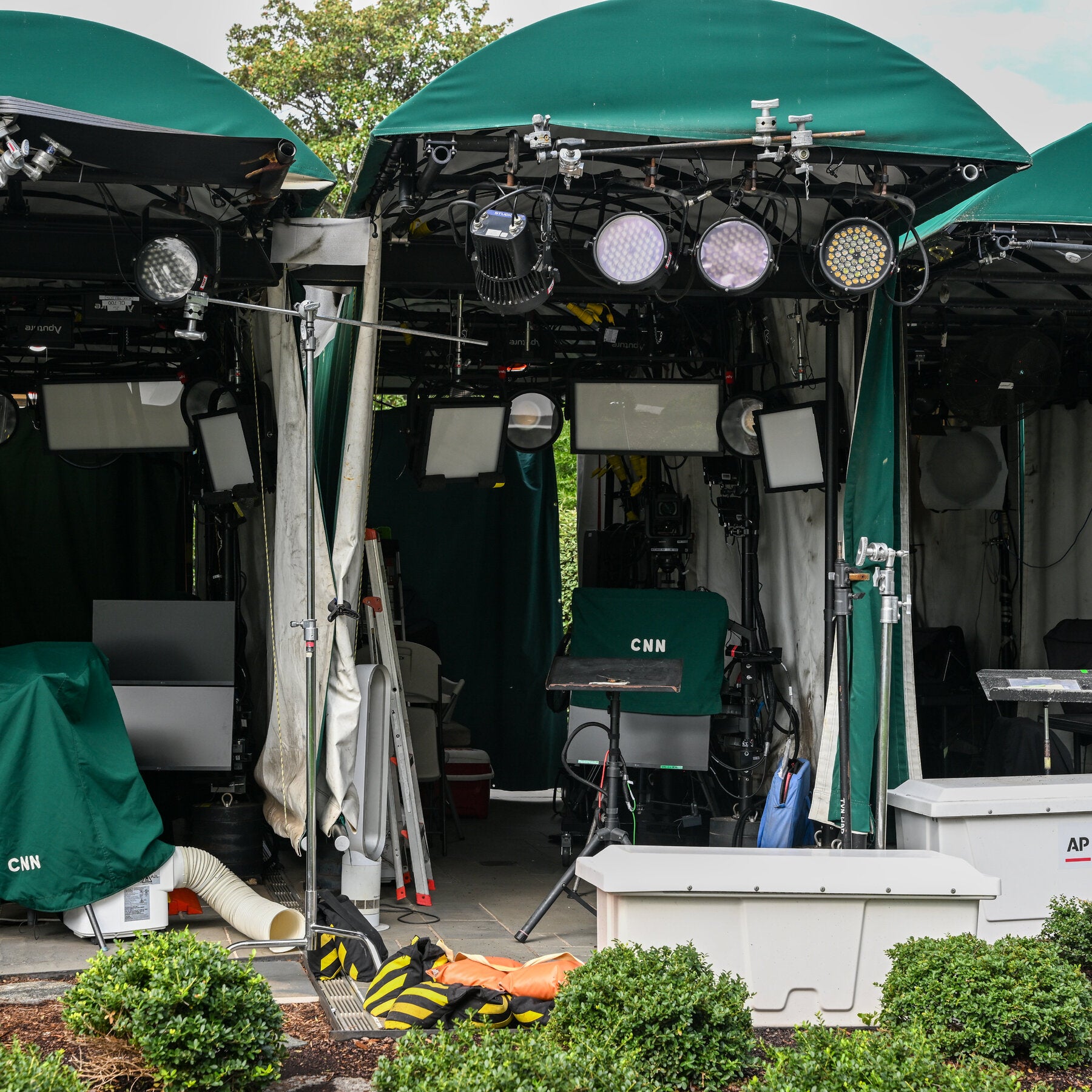
The Trump administration barred CNN, MS NOW and Politico from White House access, accusing the outlets of inaccurate or false reporting; Attorney General Todd Blanche and other officials argued that access to the presidential complex is a privilege, not a constitutional right. The outlets sued, while other news organizations filed support and some declined to participate in presidential press-pool coverage in solidarity. A federal judge temporarily blocked the restrictions for 14 days, finding the administration’s stated standard too vague and focusing on whether the outlets’ due-process rights were violated; although access was restored after the judge set a compliance deadline, journalists later reported renewed limits at some events. The dispute has prompted broader debate about press freedom, including a Salt Lake City panel where local organizations discussed protecting First Amendment rights and civic organizing.
Key Points
1
A broad group of media organizations, including The New York Times and Condé Nast, filed an amicus brief supporting the outlets challenging the restrictions.
2
The Justice Department argued in court that the outlets’ reporting threatened national security, but the filings did not explain how the coverage put the nation at risk.
3
Secretary of State Marco Rubio defended the restrictions by saying CNN and the other outlets remained free to operate, but were barred from working out of the White House; Vice President JD Vance characterized the decision as a matter of “basic fairness.”
4
At the Salt Lake City First Amendment panel, Salt Lake Indivisible member Jamie Carter urged attendees to register friends to vote, citing figures she gave that 12% of Utah residents under 30 and 12% of minority voters in the state were registered.
Sentiment
Mostly NegativeNEGATIVENEUTRALPOSITIVE
Publishers
46
Articles
439
Reach
485
A
AnonymousAuthor


