Ebola Suspect in Israel
Israel Isolates Patient from Congo with Suspected Ebola, Awaiting Test Confirmation
Key Points
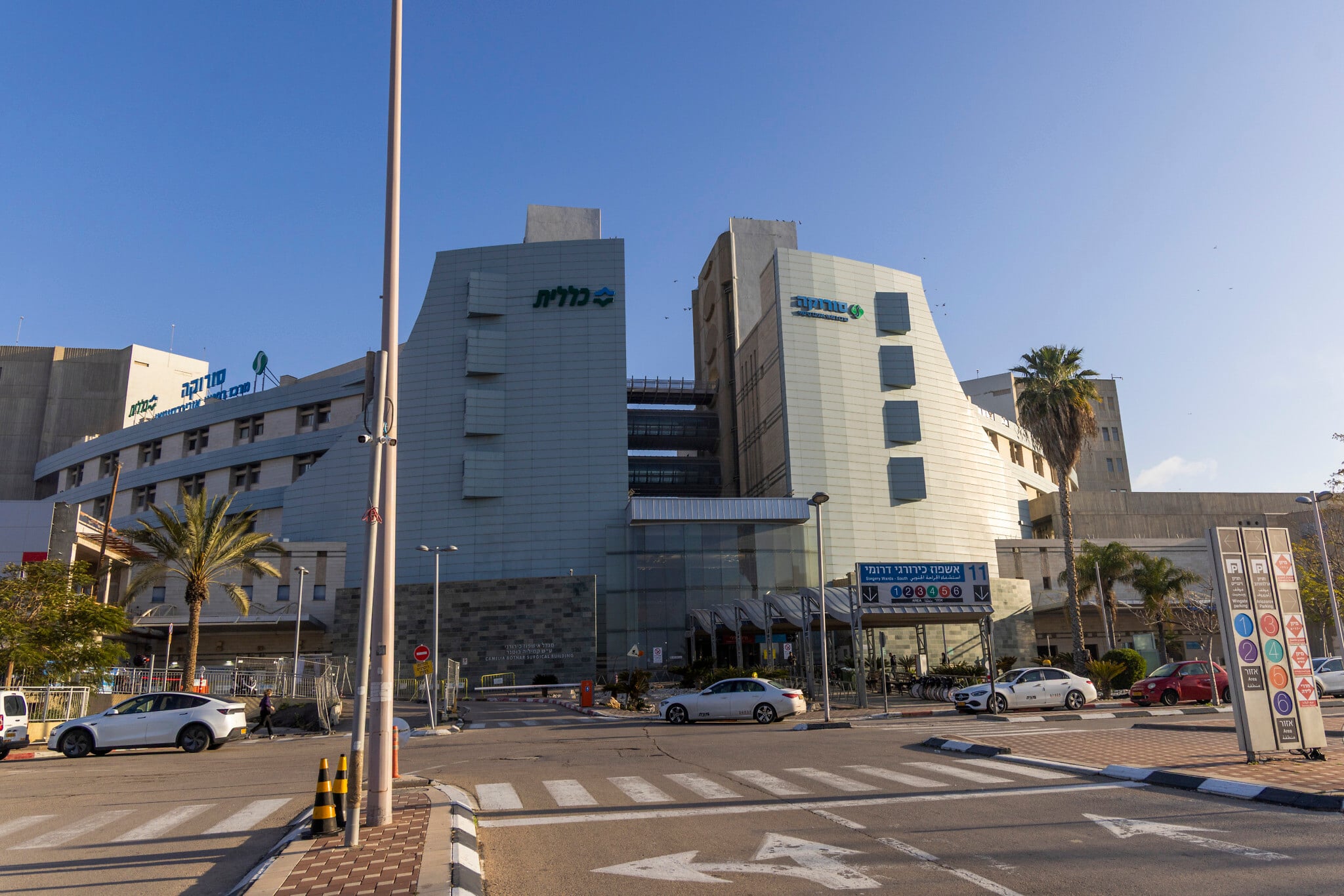
The suspected Ebola case in Israel is being treated in isolation at Soroka Medical Center in Beersheva, with confirmatory tests and an epidemiological investigation underway.
DRC Ebola outbreak has 4,294 confirmed cases and 1,960 deaths, with 722 patients in isolation or hospitalized and 849 recovered; the hardest-hit provinces are Ituri, North Kivu, Haut-Uele and Tshuapa, and the virus has spilled over into Uganda (20 cases, 2 deaths).
Uganda has closed its border with Congo as part of outbreak response efforts.
South Kivu has reported no new Ebola cases for 73 days, highlighting varied transmission dynamics within the region as health authorities monitor the situation.
A 24-year-old Israeli man who recently returned from the Democratic Republic of Congo is being treated in isolation at Soroka Medical Center in Beersheba after health officials suspected he may have contracted Ebola, according to Ynet News. His condition is described as stable, and confirmatory test results are expected within 24 hours.
The Israeli Health Ministry has launched an epidemiological investigation to trace the man's contacts and assess any risk of spread, JNS reported. Officials stress that Ebola is not airborne — it spreads only through direct contact with an infected person or their bodily fluids.
What Happened: Isolation, Testing, and Emergency Protocols
The man developed a fever after returning to Israel from the DRC, according to Times of Israel. He sought medical care and was immediately placed in an isolation room at Soroka Medical Center. Health authorities initiated emergency containment protocols as a precaution while tests run.
The Health Ministry is urging anyone who returned from the DRC or Uganda in the past 21 days to watch for fever or other symptoms, Vinnews reported. If symptoms appear, people are told to call a health hotline before visiting any clinic or hospital.
DRC Ebola Outbreak: Thousands of Cases and Cross-Border Spread
The Ebola outbreak in the DRC has grown to 4,294 confirmed cases and 1,960 deaths. Right now, 722 patients are in isolation or hospitalized, and 849 people have recovered. The hardest-hit provinces are Ituri, North Kivu, Haut-Uele, and Tshuapa.
The virus has crossed into Uganda, where 20 cases and 2 deaths have been recorded. Uganda closed its border with Congo as part of its outbreak response. However, Uganda later declared its outbreak over as of July 28, showing that containment efforts can work when acted on quickly, according to Streamline Feed.
South Kivu Shows Progress While Other Zones Stay Hot
Not all parts of the DRC are seeing active spread. South Kivu province has gone 73 days without a new Ebola case, a sign that transmission dynamics vary widely across the region. Health officials say this shows targeted responses can make a real difference.
Still, the overall outbreak remains one of the largest in history. The scale — thousands of confirmed cases and hundreds of deaths — is why Israeli health authorities moved quickly to isolate the returning traveler and launch an investigation, according to Times of Israel.
What Travelers Need to Know Right Now
Israel's Health Ministry is advising against all non-essential travel to areas of the DRC with active Ebola transmission. Anyone already back from the DRC or Uganda should monitor themselves for fever for 21 full days after returning, Ynet News reported.
Officials remind the public that Ebola does not spread through the air. A person is only at risk through direct physical contact with someone who is sick or with their blood or bodily fluids. Seeking pre-travel health advice and knowing when to call a hotline are the key steps authorities are urging right now.
Sentiment
Mostly NegativePublishers
10
Articles
3
Reach
13


