New Face-Covering Restrictions
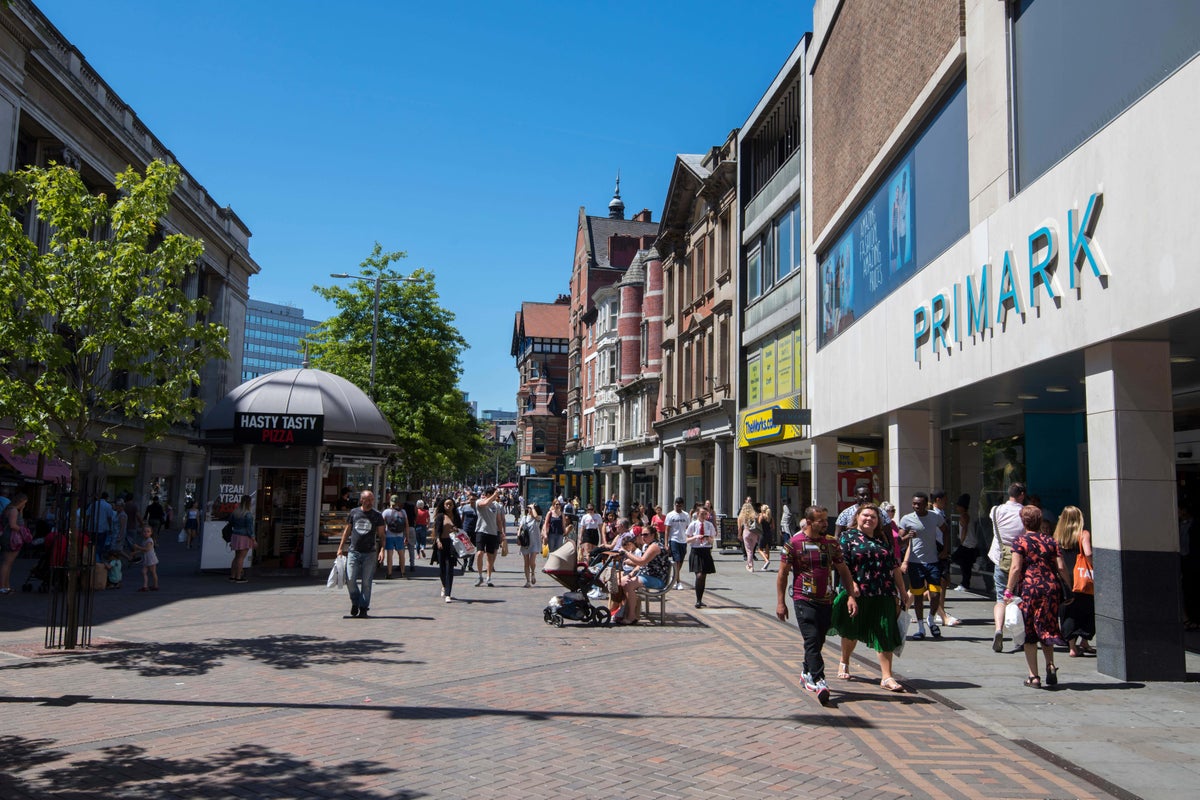
Nottingham begins enforcing new restrictions requiring individuals to remove face coverings when suspected of crime.
Anonymous
Key Points
1
Nottingham is described as the first UK city to introduce this type of face-covering restriction, with council leader Neghat Khan saying the policy aims to let residents live, work and shop without feeling frightened or unsafe.
2
The enforcement options include referral to an Immediate Justice Programme, which can require offenders to carry out community work—an additional measure beyond fines, confiscation and prosecution.
3
Among the cited incidents was a November confrontation at Nottingham’s Winter Wonderland Christmas market, where two groups of youths wearing balaclavas reportedly faced each other with machetes in front of families and shoppers.
4
Police linked the crackdown to a July 2024 killing in which two balaclava-wearing teenagers were convicted of murdering 24-year-old Jack Edwards with a brick at Sussex Street skate park; the younger defendant received four and a half years and Kai Howitt received 14 years.
Nottingham will start enforcing a targeted face-covering ban on September 15, becoming the first UK city to restrict balaclavas and skeleton masks in public spaces. Daily Mail reports that police and community officers can now demand removal of these coverings when they suspect someone is using them to hide their identity for crime, antisocial behavior, or intimidation. Refusal brings a £70 on-the-spot fine, with prosecution carrying up to £1,000 penalties, confiscation, or longer criminal behavior orders.
The crackdown follows more than 180 incidents in Nottingham's city center over the past year, The Independent reports, including a November machete confrontation at the Winter Wonderland Christmas market and armed gang activity. Over 90% of 2,200 residents surveyed backed the measure. The order exempts legitimate religious, cultural, medical, workplace, weather, and safety reasons—though officers will decide what qualifies.
How the New Restrictions Will Work
Officers can demand face-covering removal if they reasonably suspect it's being used to conceal identity for crime or intimidation. Express explains that refusal can trigger a £70 fine on the spot, referral to community work programs, prosecution with fines up to £1,000, or confiscation of the covering. Offenders can also face Criminal Behaviour Orders banning them from the city center.
The order deliberately leaves room for legitimate reasons to cover your face. Religious dress, cultural head coverings, medical masks, work uniforms, bad weather gear, and personal safety needs are protected. But officers decide whether each case genuinely qualifies—a potential source of debate about discretionary power.
Street Violence and Market Intimidation Sparked Action
Nottingham police documented more than 180 incidents involving masked individuals between June 2025 and June 2026. These ranged from shop-worker intimidation and building break-ins to gang confrontations. The most shocking example: November's Winter Wonderland incident where masked youths allegedly faced off with machetes in front of families and shoppers, turning a Christmas market into a scene of potential violence.
The crackdown also links to a July 2024 killing that shocked the city. Two balaclava-wearing teenagers murdered 24-year-old Jack Edwards with a brick at a skate park. One received 4.5 years; Kai Howitt got 14 years. Council leader Neghat Khan said residents should be able to live, work, and shop without feeling frightened—and the public agreed, with 90% supporting the new powers.
Nigel Farage Pushes for a Nationwide Blanket Ban
While Nottingham targets specific crime-linked behavior, The Spectator notes that Reform UK leader Nigel Farage has called for a broader nationwide ban on all full-face coverings—including religious ones like burqas. Farage argues that such coverings undermine trust and social integration. This contrasts sharply with Nottingham's exemptions for legitimate religious and cultural dress.
Nottingham's targeted approach creates a local precedent that could spread to other councils facing similar intimidation complaints. However, it also raises questions about enforcement discretion and whether officers will apply exemptions equally. The distinction between Nottingham's conduct-based restrictions and Farage's blanket proposal highlights how the face-covering debate splits between crime prevention and broader cultural concerns.
Sentiment
Mostly NegativeNEGATIVENEUTRALPOSITIVE
Publishers
17
Articles
25
Reach
42
Topics
A
AnonymousAuthor


