Hamas' New Iran-Aligned Chief
Khalil al-Hayya Elected Hamas Political Chief Amid Leadership Upheaval and War
Anonymous
Key Points
1
Khalil al-Hayya defeated Khaled Mashal, the former political bureau chief who previously led Hamas’ operations abroad, signaling a consolidation of leadership under al-Hayya and a Gaza-leaning trajectory rather than Mashal's overseas emphasis.
2
The leadership transition occurred amid the deaths of two longtime Hamas figures: Yahya Sinwar was killed on October 16, 2024 in Rafah, and Ismail Haniyeh was killed in July 2024 while in Iran, underscoring a period of significant upheaval at the top of the movement.
3
Khalil al-Hayya is portrayed as a Gaza-born veteran who has been a central negotiator for Hamas, with deep ties to Iran and a long-standing role as the movement’s main liaison to the Arab and Islamic world, and a track record in ceasefire talks including those surrounding the 2014 Gaza conflict.
4
Al-Hayya was targeted in a 2025 Israeli operation in Doha, illustrating that the high-profile leadership remains a principal target and that regional tension continues to constrain Hamas leadership beyond Gaza.
5
Hamas’ internal regulations call for leadership elections every four years, but the latest process was delayed due to the Gaza war and the damage incurred by Hamas’ senior command structure, with the Shura Council votes finalizing the result.
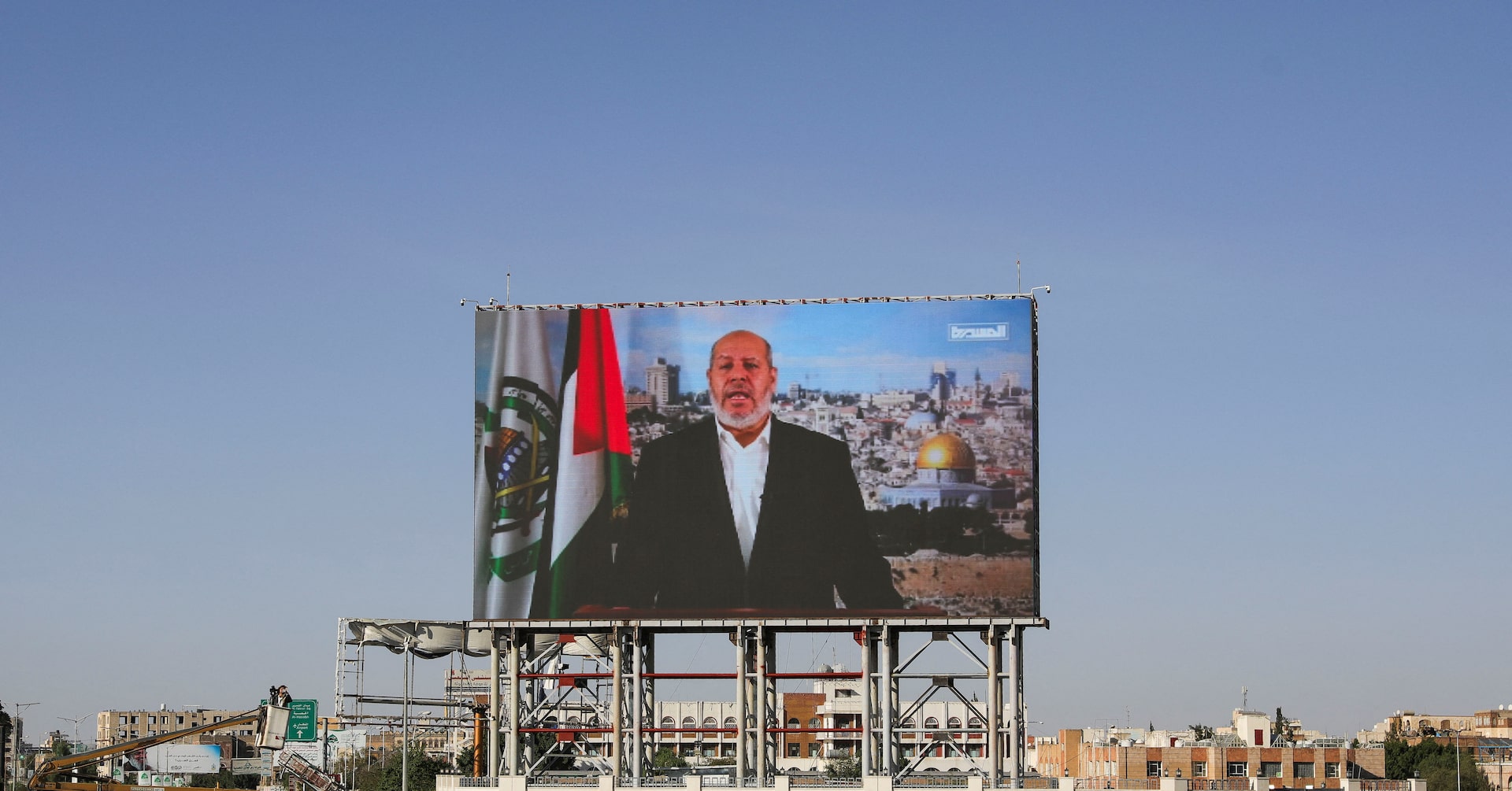
Hamas has named Khalil al-Hayya as its new political bureau chief, replacing Yahya Sinwar who was killed by Israeli forces in October 2024, according to Reuters. Al-Hayya, a Gaza-born veteran and the group's chief negotiator, beat out former leader Khaled Mashal in a vote by Hamas's Shura Council.
The election ends a temporary five-member leadership council that had governed Hamas since Sinwar's death. Al-Hayya now heads an 18-member General Political Bureau, according to Ynet News, marking a major reshaping of the group's command structure after a turbulent year of losses at the top.
Two Killings in One Year Forced Hamas to Rebuild
Hamas lost two top leaders in less than six months. Ismail Haniyeh was killed in Iran in July 2024. Then Sinwar was killed in Rafah on October 16, 2024, according to Turkiye Today. That back-to-back collapse forced a rapid reshaping of Hamas's entire leadership structure.
Hamas rules call for leadership elections every four years. But the Gaza war delayed the process significantly, according to Egypt Today. The Shura Council eventually held its vote with members from Gaza, the West Bank, and abroad — including Hamas members inside Israeli prisons, who reportedly sent their ballots in secret.
Al-Hayya Defeats Mashal, Shifting Hamas Toward Gaza
Al-Hayya's win over Khaled Mashal is a clear signal of direction. Mashal led Hamas's overseas operations for years and ran the group's external political work. Al-Hayya, by contrast, is rooted in Gaza and has spent decades working inside the territory, according to Ynet News.
The result means Hamas's political leadership now leans toward its Gaza base rather than its diaspora network. Al-Hayya has long served as the group's main liaison to the Arab and Islamic world. He also led Hamas's negotiating team during ceasefire talks, including those tied to the 2014 Gaza conflict.
Strong Iran Ties Define the New Hamas Chief
Al-Hayya is described as a close ally of Iran, according to Ynet News. His ties to Tehran run deep and his election aligns Hamas's political leadership more firmly with Iran's regional axis. That stands in contrast to leaders like Mashal, who maintained stronger links to Qatar and Turkey.
Al-Hayya has not been safe despite operating in exile. Israel targeted him in a 2025 operation in Doha, according to Reuters. The strike shows that Hamas's new top leadership remains in Israel's crosshairs, even far from the Gaza battlefield.
What the New Structure Means for Hamas Going Forward
Beyond the top role, Hamas also appointed a new representative for its military wing as part of the broader reorganization, according to Yahoo News. The 18-member General Political Bureau gives the new leadership a wider base than the five-member interim council it replaced.
Al-Hayya takes charge while the Gaza war continues. His background as a negotiator may shape how Hamas approaches any future ceasefire or hostage talks with Israel. But his deep Iran ties and Gaza roots signal that the group is unlikely to soften its core positions under his leadership.
Sentiment
Mostly NegativeNEGATIVENEUTRALPOSITIVE
Publishers
55
Articles
319
Reach
374
A
AnonymousAuthor