Israel's Decades-First Election
Israel Readies For October 27 Election, Marking First On-Schedule Vote Since 1988
Anonymous
Key Points
1
The election date on October 27 is the last date allowed by law, and Parliament stated there is no need for a Knesset Dissolution Law as the current Knesset is expected to serve its full term.
2
This election is billed as the first on-schedule vote in Israel since 1988, with Netanyahu potentially becoming the first prime minister in over half a century to complete four full terms.
3
Gadi Eisenkot, a former defence chief, has emerged as Netanyahu's main rival; his personal losses in the Gaza war — including his son and two of his nephews killed — are highlighted as a contrast to Netanyahu's family situation and bolster his image as a candidate with a focused security background.
4
There are notable intra-party dynamics shaping the race: Itamar Ben Gvir has argued the government should be fully right-wing, signaling internal tensions within Netanyahu’s coalition-building efforts, while the Knesset is slated to dissolve around mid-July ahead of the vote.
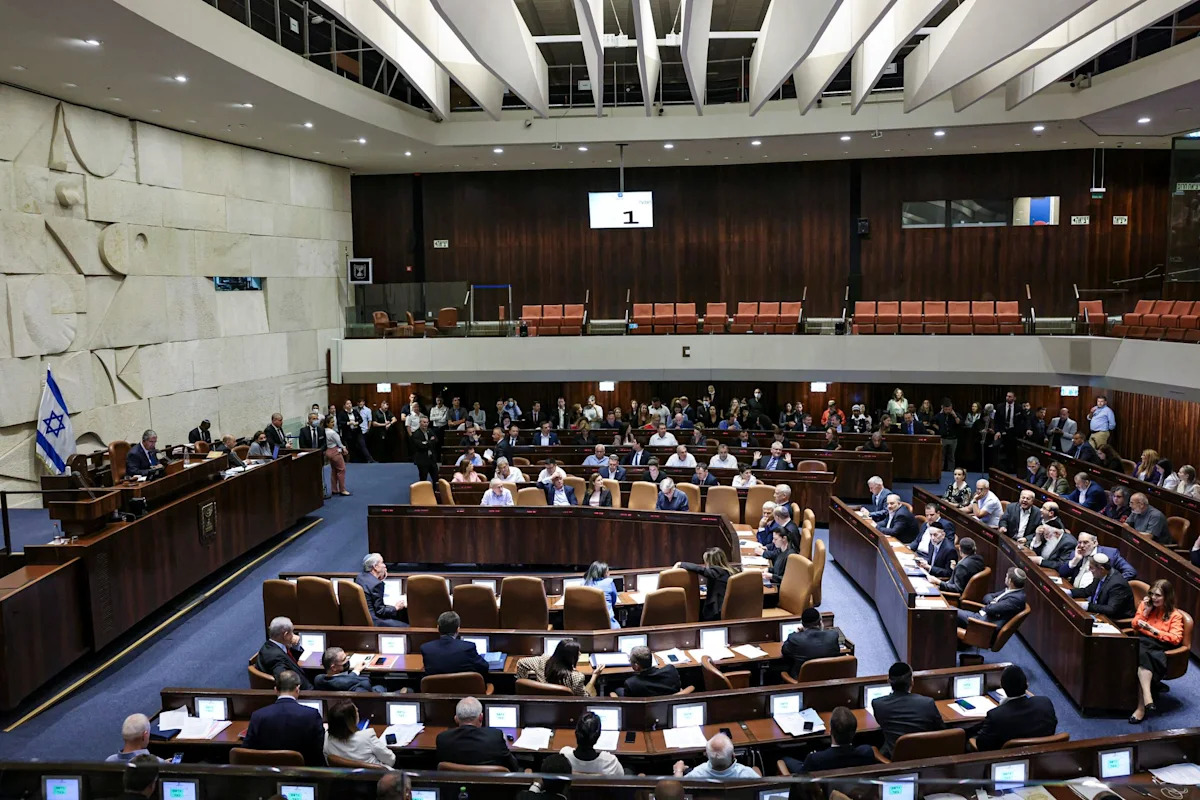
Israel will hold a national election on October 27, 2026, according to Prime Minister Benjamin Netanyahu's coalition, making it the country's first on-schedule vote since 1988 Market Screener. The election comes after years of war following Hamas's October 2023 attack, with battles in Gaza, Lebanon, and against Iran shaping the political backdrop.
The current Knesset is expected to serve its full four-year term — a rare feat in Israeli politics Kansas City Star. Netanyahu could become the first Israeli prime minister in over half a century to complete four full consecutive terms.
First On-Schedule Vote in Nearly Four Decades
Israel has held five elections since 2019 alone — all called early due to collapsing coalitions. October 27, 2026 is the last date the law allows. No special Knesset Dissolution Law is needed this time Macon.com. Parliament simply runs its course.
The last time Israel held an election on its legally set schedule was 1988. Completing a full term signals something unusual: political stability during a period of active war Kentucky.com. The Knesset is expected to dissolve around mid-July ahead of the October vote.
Eisenkot Surges as Netanyahu's Toughest Challenger
Former defence chief Gadi Eisenkot leads the centrist party Yashar! and has repeatedly topped polls — at times outpacing Netanyahu's Likud party. His military background gives him strong credibility on security issues Market Screener.
Eisenkot's personal story sets him apart. His son and two nephews were killed in the Gaza war. That loss contrasts sharply with Netanyahu's family situation and has deepened public sympathy for him Kansas City Star. Many voters see him as a leader who has personally paid the cost of the conflict.
Netanyahu Eyes Broad Coalition Amid Internal Tensions
Netanyahu has signaled he wants a wide national government focused on security — covering the Gaza war, Iran, and Hezbollah Yahoo News. But building that coalition is not simple. Far-right partner Itamar Ben Gvir has argued the next government should be fully right-wing, clashing with any centrist outreach.
Israeli coalitions almost always span several parties. No single bloc is expected to win a majority alone. A broad government could pull in centrists like Eisenkot's Yashar!, but that would require major cross-partisan deals and policy concessions Macon.com.
War Defines the Stakes Heading Into October
This is the first Israeli election since Hamas's October 7, 2023 attack triggered wars on multiple fronts. Voters will judge leaders on how the wars in Gaza, Lebanon, and against Iran were handled Kentucky.com. Security is the dominant issue, and both leading candidates are making it central to their campaigns.
The outcome remains wide open. Polls have shifted between Netanyahu and Eisenkot. Coalition math is complex and the result could hinge on smaller parties Kansas City Star. What is certain: this vote will shape Israel's direction for years to come.
Sentiment
Mostly NegativeNEGATIVENEUTRALPOSITIVE
Publishers
32
Articles
173
Reach
205
A
AnonymousAuthor


