Japan Boosts Domestic Investment
Japan's Finance Minister seeks to encourage pension funds to boost domestic financial asset holdings
Anonymous
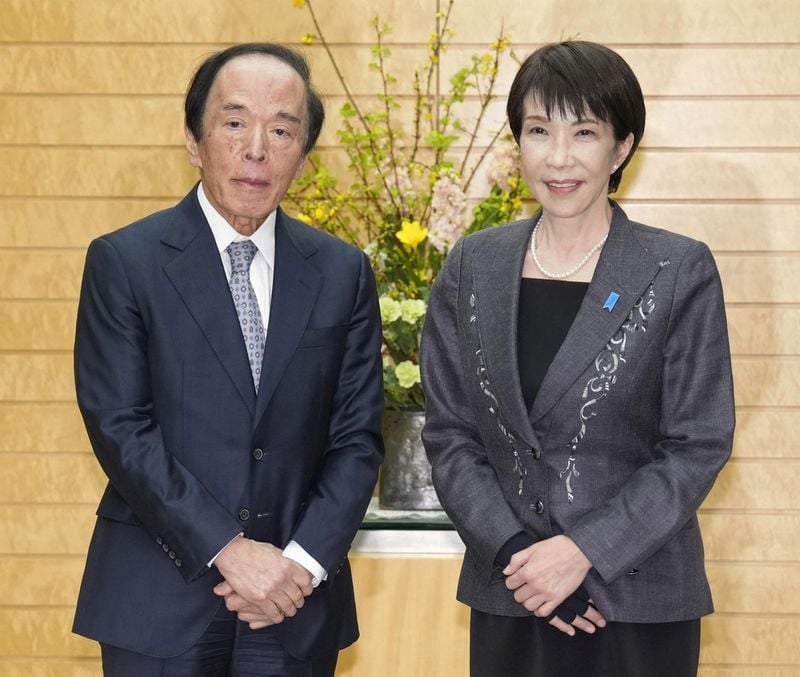
Japan's government is looking for ways to push pension funds — including the world's largest, the Government Pension Investment Fund (GPIF) — to buy more domestic financial assets, Finance Minister Satsuki Katayama said. The GPIF manages roughly $1.5 trillion in assets, making any shift in its investment strategy a major market event. MarketScreener reported the announcement this week.
The move signals growing government interest in steering capital back into Japan. It also raises fresh questions about political pressure on financial institutions that are supposed to operate independently.
Government Eyes GPIF as Domestic Investment Lever
The GPIF is the biggest pension fund on Earth. It holds assets for Japan's public workers and retirees. Right now, much of its portfolio sits in foreign stocks and bonds. The government wants more of that money flowing back into Japan. According to MarketScreener, Katayama said the government will explore ways to "encourage" funds like GPIF to increase domestic holdings.
Officials stopped short of ordering any specific changes. The government's role appears to be one of incentive, not mandate. Still, even soft pressure from Tokyo on an institution this large can move markets. Analysts note that a small portfolio shift by GPIF can send billions of dollars into domestic stocks and bonds.
BOJ Independence Stays Intact, Officials Insist
Alongside the GPIF news, concerns are rising about political influence over Japan's central bank. The government's expansionary spending plans have drawn scrutiny. Critics worry Tokyo could pressure the Bank of Japan (BOJ) to keep interest rates low to make borrowing cheaper. According to Fresno Bee, Katayama stated clearly that the government will not disclose any preference for interest rates.
"Specific policies are left to the Bank of Japan alone," Katayama said, according to Charlotte Observer. The BOJ has spent years trying to exit its ultra-loose monetary policy. Any hint of political meddling could rattle bond markets and spook investors already watching Japan's fiscal path closely.
Fiscal Expansion Fuels Worry Over Japan's Debt Path
Japan already carries one of the largest public debt loads in the world — over 250% of GDP. The government's expansionary fiscal policy means it keeps spending more than it collects. That puts pressure on the BOJ to stay loose and keep bond yields low. If yields rise, Japan's debt payments balloon fast.
Pushing GPIF toward domestic assets could help absorb Japanese government bonds and prop up domestic stock prices. But critics say it blurs the line between sound investment management and government economic engineering. GPIF is legally required to prioritize returns for pensioners, not serve as a policy tool, according to Idaho Statesman.
What This Means for Markets and Japanese Retirees
Any significant shift in GPIF's portfolio would ripple across global markets. The fund currently splits its assets roughly evenly across domestic stocks, foreign stocks, domestic bonds, and foreign bonds — about 25% each. Even a 5% tilt toward domestic assets could mean tens of billions of dollars moving into Japanese equities and government bonds.
For Japanese retirees, the stakes are personal. GPIF exists to pay their pensions. If domestic investments underperform foreign ones, retirees could feel it in their monthly checks. The government faces a delicate balance: boost Japan's markets without putting retirement savings at risk, according to Charlotte Observer.
Sentiment
NeutralNEGATIVENEUTRALPOSITIVE
Publishers
5
Articles
4
Reach
5
A
AnonymousAuthor


