Ukraine Patriot Delay
Trump's Patriot Missile Pledge for Ukraine Faces Production Delays, Straining Kyiv's Defenses
Anonymous
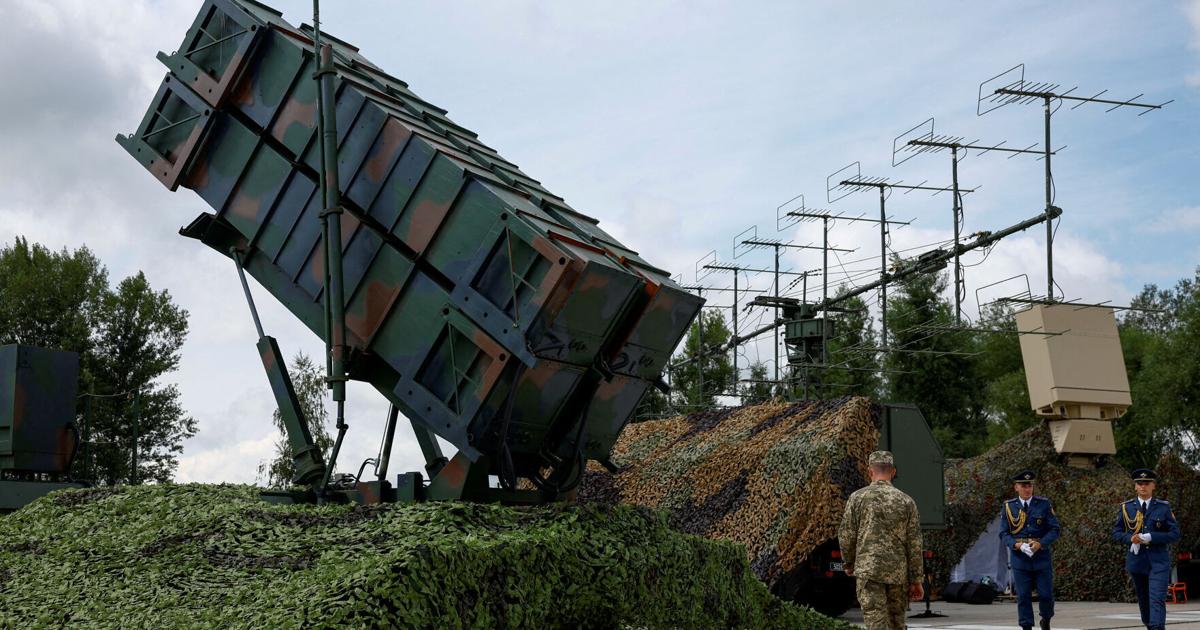
President Donald Trump has pledged to allow Ukraine to produce U.S. Patriot air defense missiles on its own soil — a major diplomatic win for President Volodymyr Zelenskyy. But defense experts warn it could take at least a year before a single missile rolls off a Ukrainian production line, according to Crossroads Today.
That gap leaves Ukraine in a tough spot. Russian missile and drone attacks on Ukrainian cities have not stopped. Kyiv's existing Patriot interceptor stockpiles are under serious strain. The promise of future production does little to plug the hole right now, Buffalo News reported.
What Trump Actually Promised Ukraine on Patriots
Trump's pledge would give Ukraine the right to manufacture Patriot interceptor missiles — the key ammunition for one of the world's most advanced air defense systems. Currently, only the U.S. and a handful of allies are allowed to produce them. Extending that right to Ukraine would be a significant shift in U.S. policy, Journal Times noted.
Zelenskyy welcomed the move as a step toward making Ukraine self-sufficient in its own defense. Ukraine has received Patriot systems from Western allies, but running out of interceptor missiles has been a persistent problem. Being able to make them domestically would reduce reliance on foreign shipments.
Why Production Will Take Over a Year to Start
Building Patriot missiles is not simple. The weapons require specialized factories, trained workers, and complex supply chains. Defense experts say standing up production in a country that has never built them before takes well over a year at minimum, according to Channel 3000.
Ukraine is also an active war zone. Setting up sensitive military manufacturing there carries real risks — from Russian airstrikes targeting factories to the challenge of keeping supply lines secure. Those factors could push the timeline even further out, Tulsa World reported.
Ukraine's Air Defense Gap Is Growing Right Now
While future production is being discussed, Ukraine is fighting today. Russia continues to fire missiles and drones at Ukrainian cities. Each Patriot intercept uses one or more of the expensive missiles, draining stockpiles faster than they can be replaced by current allied shipments, Fredericksburg.com noted.
Western partners have struggled to keep pace with Ukraine's consumption of interceptors. Several European nations have sent portions of their own limited stocks. The U.S. has also transferred missiles, but demand consistently outpaces supply. A domestic Ukrainian production line — even a year away — would help close that gap permanently, Greensboro reported.
Kyiv Faces Hard Choices While Waiting for Missiles
With interceptors scarce and production still far off, Ukraine must make painful decisions about how to use what it has. Military planners have to pick which incoming threats to shoot down and which to let through — a grim calculation that puts civilian infrastructure and lives at risk, Waco Tribune reported.
Trump's pledge is a long-term win, but the short-term picture is harder. Ukraine needs interceptors now, not in 12 to 18 months. Until domestic production begins, Kyiv will remain dependent on allied transfers to keep its skies defended, Daily Progress reported.
Sentiment
NeutralNEGATIVENEUTRALPOSITIVE
Publishers
17
Articles
16
Reach
17
A
AnonymousAuthor


