Stricter Robotaxi Rules
San Francisco Mayor Urges Tougher Waymo Robotaxi Rules After July 4th Gridlock
Anonymous
Key Points
1
The July 4 fireworks near the Golden Gate Bridge drew about 100,000 attendees, illustrating the scale of events that disrupted Waymo robotaxi operations in San Francisco.
2
Mayor Lurie argues that California's current regulatory framework inadequately addresses autonomous-vehicle operations during significant incidents and emergencies.
3
San Francisco reportedly hosts about 1,000 Waymo robotaxis, with Zoox and Uber-backed projects also pursuing market presence, while Tesla does not yet have a permit for fully autonomous operation.
4
The proposals include specialized tests for operating in high-density pedestrian areas and complex traffic conditions, as part of broader calls for stricter standards on robotaxi operations.
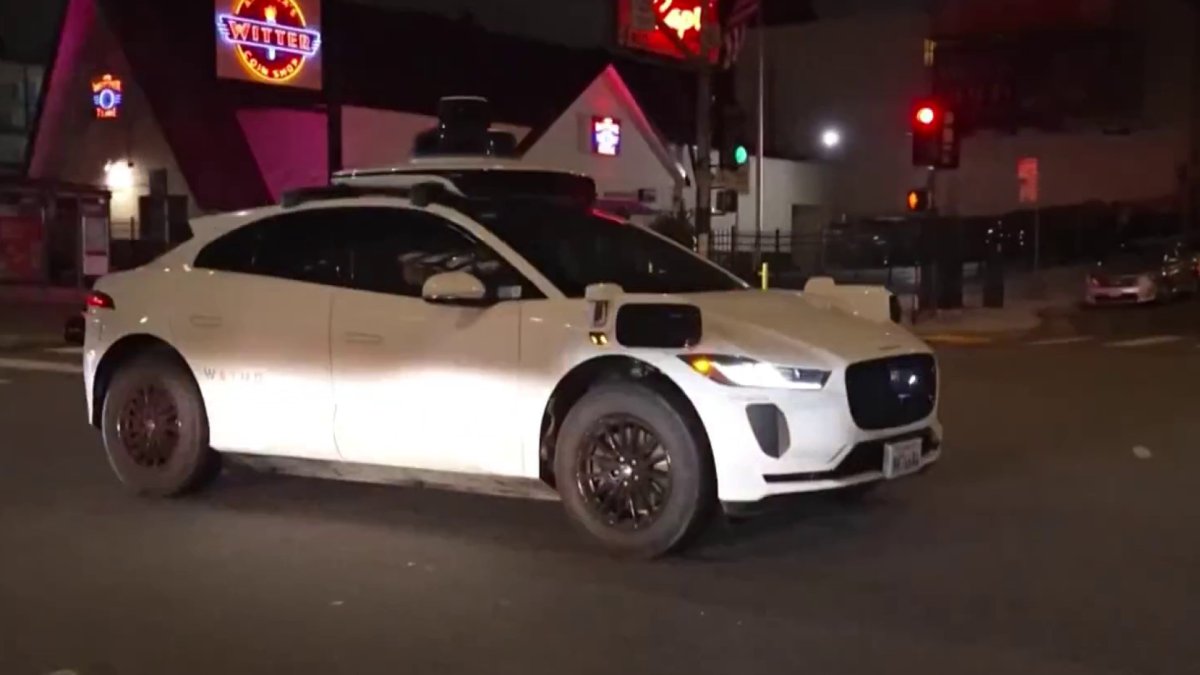
San Francisco Mayor Daniel Lurie is pushing California state regulators to tighten rules on robotaxi companies after a July 4 traffic disaster left thousands of residents stranded, according to CBS News. Waymo's self-driving cars stalled in gridlock near the Golden Gate Bridge as roughly 100,000 people attended fireworks celebrations — the second major disruption involving Waymo vehicles in just six months.
In a formal letter to California's Secretary of Transportation, Lurie demanded four core operational upgrades for autonomous vehicle companies. He argued the current system protects riders only under normal conditions — not during crises, NBC Bay Area reported.
July 4 Gridlock Exposed Gaps in Robotaxi Rules
The July 4 incident unfolded as Waymo robotaxis became stuck in dense traffic with no way to quickly clear the roads. San Francisco is home to roughly 1,000 Waymo vehicles, according to Briefs. That large fleet, combined with a massive crowd, created a perfect storm for gridlock. Emergency services rely on clear roads, raising serious safety concerns.
This was not the first time. A December power outage also exposed weaknesses in how Waymo vehicles respond to sudden, unexpected conditions, CBS News reported. Lurie said both events proved that regulators need to act before the next major crisis hits.
Lurie's Four Demands for Safer Robotaxi Operations
Mayor Lurie outlined four specific capabilities he wants required by law. First, companies must be able to instantly move vehicles out of active traffic lanes. Second, operators must adjust routes and service areas in real time. Third, AV companies must share live data with local authorities. Fourth, vehicles must pass special tests for crowded pedestrian zones and complex traffic, according to Head Topics.
The mayor wants these standards to apply across the entire industry — not just Waymo. Zoox and an Uber-backed project are also expanding in San Francisco. Tesla does not yet hold a permit for fully driverless operation in the city. Lurie's goal is a consistent, enforceable statewide framework before more companies scale up.
San Francisco Shifts From Curiosity to Confrontation on AVs
San Francisco was once seen as an eager testing ground for self-driving cars. That stance is changing fast. The July 4 meltdown pushed city leaders from cautious optimism toward active pressure on state regulators, Briefs reported. Lurie's letter marks a clear turning point in how the city views the pace of AV expansion.
The debate now centers on whether robotaxi technology is ready to scale in dense urban areas. Critics say the incidents prove it is not. Supporters argue the technology is improving rapidly. But with 100,000 people stranded near a bridge and emergency lanes blocked, the pressure on regulators to act has never been stronger, according to CBS News.
California Regulators Face Growing Pressure to Set Standards
California's Department of Transportation now faces a direct call to action from one of the state's biggest cities. Lurie's letter asks regulators to build and enforce rules that require rapid incident response from all AV operators. Right now, no such statewide standard exists, NBC Bay Area reported.
The outcome could shape how self-driving cars operate across California and beyond. If regulators adopt Lurie's proposals, companies like Waymo would need to redesign how their fleets respond to emergencies. That would be a major shift — and a significant test of whether regulators can keep pace with fast-moving technology, according to Head Topics.
Sentiment
Mostly NegativeNEGATIVENEUTRALPOSITIVE
Publishers
10
Articles
10
Reach
20
A
AnonymousAuthor


