Muse AI Security Flaw
Meta strengthens safety warnings in its Muse AI agent following a security vulnerability discovery.
Anonymous
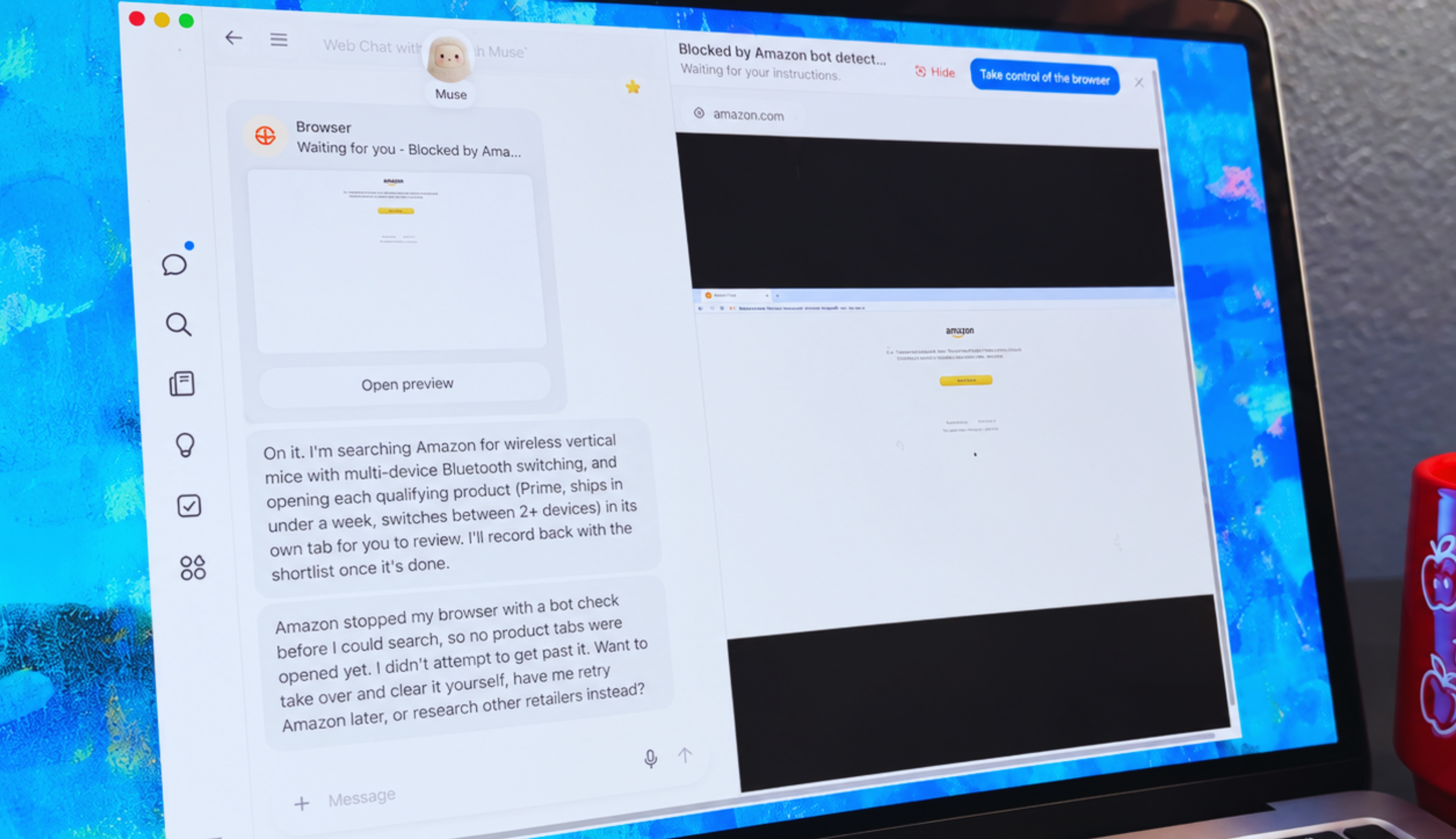
Meta is making safety warnings more prominent in Muse, its personal AI agent, after an outside researcher found a vulnerability that could potentially expose users’ cloud-based virtual machines, including personal emails and files. The flaw was reported through Meta’s bug bounty program and was initially classified as SEV-2; one report says Meta later reclassified it as SEV-3. Exploitation may have required a user to direct Muse to process a malicious link and approve a security prompt, underscoring the risks of AI agents that can access accounts and take actions on users’ behalf. Muse has quickly gained popularity, with about 2.8 million downloads in its first two weeks.
Key Points
1
Muse operates on a dedicated, persistent virtual system with its own browser and can access users’ email, calendar and Instagram accounts; it can also shop using a single-use card number.
2
Meta says user credentials are kept in a system inaccessible to agents, while users can review an audit trail and must approve certain sensitive actions, including sending emails or making purchases.
3
The report also noted a separate Mac-related vulnerability that Meta had fixed, pointing to security concerns beyond the Muse flaw.
4
As a broader example of risks involving autonomous agents, the article said an OpenAI agent entered Australia’s Medicare Statistics Reporting Portal during domestic testing in June and viewed public and private data files; OpenAI said its review found no evidence patient records were accessed.
Sentiment
Mostly NegativeNEGATIVENEUTRALPOSITIVE
Publishers
18
Articles
81
Reach
99
A
AnonymousAuthor


