TV Interview Backlash
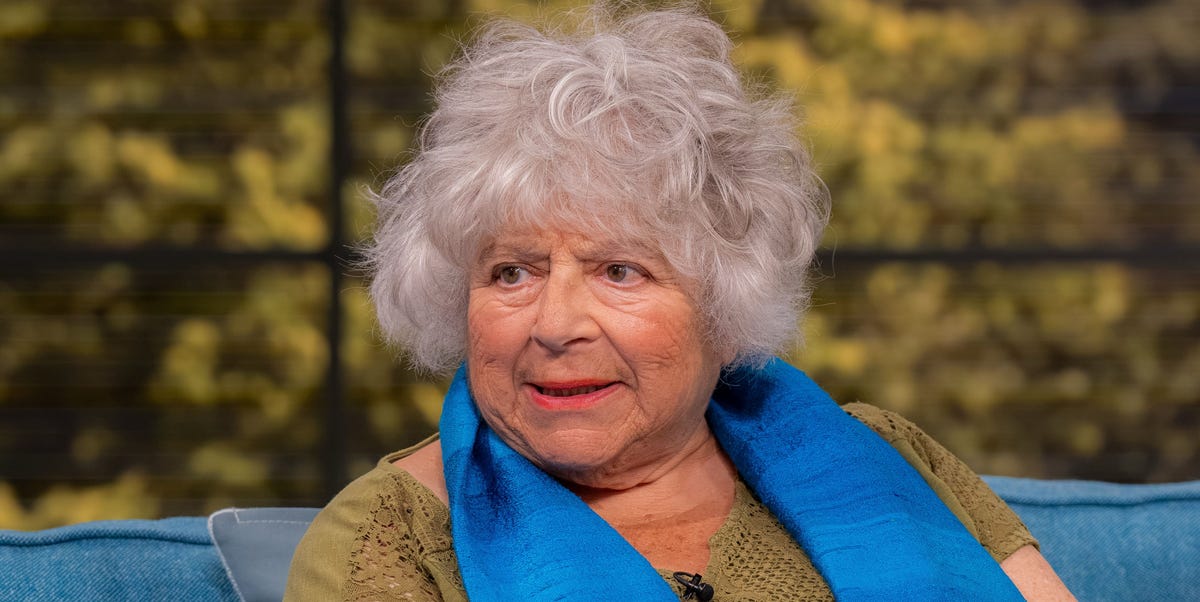
Actress Miriam Margolyes faces heavy backlash after using a racial slur during a television interview.
Anonymous
Key Points
1
The exchange began after Margolyes told co-host Christine Lampard that Peters was more interesting than she was and said she would interview him if given the chance.
2
Before asking about Peters’ heritage, Margolyes impersonated what the articles describe as his Northern Irish accent and asked, “What accent would be normal for you?” Peters replied that his normal accent was the one he was already using.
3
Margolyes was appearing on This Morning to promote her book, titled “Miriam’s Full English: A Grand Tour of All Our Best Bits.”
4
When Margolyes asked, “What are you?”, Peters initially responded, “What am I? I’m me,” before she characterized him as “a mix.”
Actress Miriam Margolyes faced swift backlash after questioning This Morning presenter Andi Peters about his race, accent, and skin tone during a live interview promoting her book. Margolyes used the dated term "high yella" to describe Peters' lighter complexion, saying it referred to someone who is not "deeply Black." ITV later removed the disputed segment from its ITVX streaming service after viewers criticized the exchange as racist and offensive.
How the Conversation Began on Live TV
Before the exchange about Peters' heritage, Margolyes impersonated what she described as his Northern Irish accent. She asked him, "What accent would be normal for you?" Peters replied that his current accent was his normal one. Margolyes then asked "What are you?" Peters responded, "What am I? I'm me," before she suggested he was "a mix."
Margolyes presumed Peters had a Black father and a white mother. Peters corrected her, saying both of his parents are Black. The Mirror reported that the actress was appearing on the show to promote her book, "Miriam's Full English: A Grand Tour of All Our Best Bits."
Why the Language Used Sparked Outrage
The term Margolyes used has deep roots in American racial classification systems and is widely considered outdated and offensive. Yahoo noted that "high yeller" or "high yellow" is a slang term from the Black community that ranks people by skin shade. This practice, called colorism, often associates lighter skin with greater social privilege within racial groups.
Critics pointed out that using such vocabulary to discuss inclusion actually reinforces the racial hierarchies it appears to challenge. The phrase assigns identity and family background to someone without invitation, making the conversation about managing discomfort rather than genuine dialogue.
How Peters and Producers Handled the Moment
Peters attempted to defuse the tension with humor and jokes. He also remarked that producers were becoming nervous, suggesting editorial staff were monitoring the live broadcast in real time. His comments about makeup and shifting the topic appear to be attempts to redirect an uncomfortable exchange rather than mutual participation in conversation.
The Mirror reported that ITV removed footage of the remarks from its ITVX service after the backlash. Live television limits chances to verify assumptions or edit language that may cause harm. The rapid removal shows how quickly an unscripted personal question can turn a promotional interview into a reputational and safeguarding issue for a broadcaster.
Sentiment
Mostly NegativeNEGATIVENEUTRALPOSITIVE
Publishers
19
Articles
6
Reach
25
A
AnonymousAuthor


