Mother's Insanity Plea Trial
Massachusetts Mother Accused of Child Murders Faces Insanity Plea Trial in 2026
Anonymous
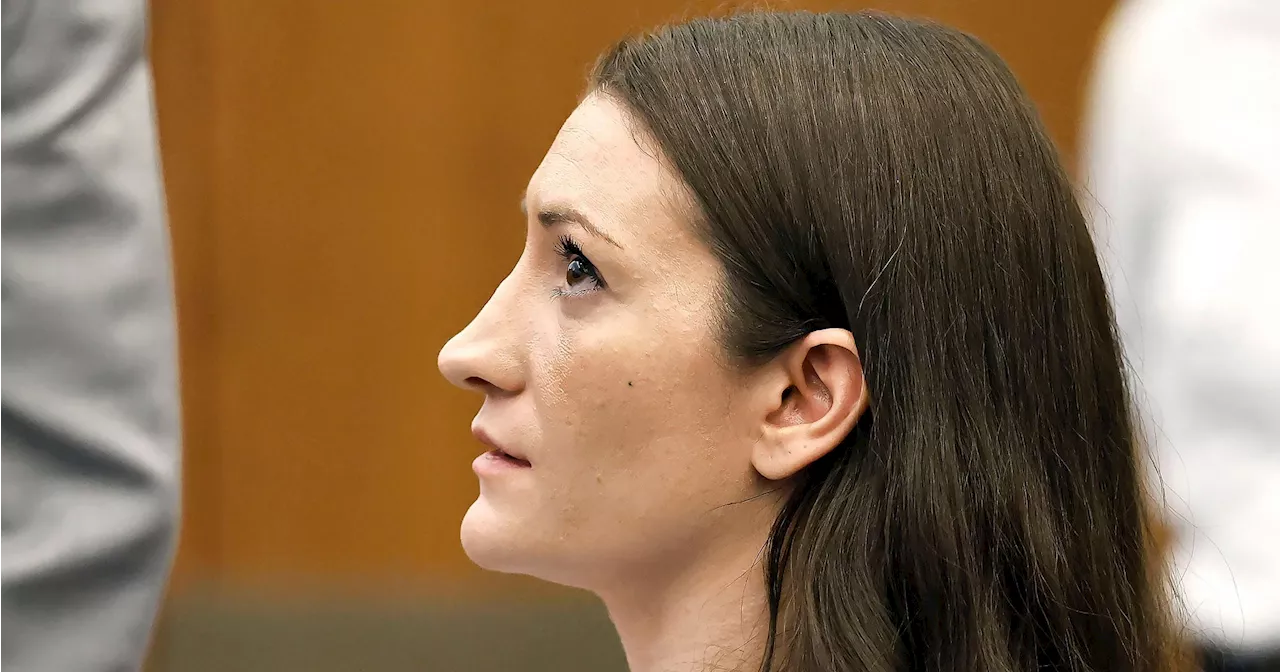
Jury selection has begun in the murder trial of Lindsay Clancy, a Massachusetts mother accused of strangling her three young children in January 2023. Clancy, a former nurse, killed Cora, 5, Dawson, 3, and 8-month-old Callan at the family's Duxbury home before jumping from a window, according to Morning Journal. The trial is set to open fully on July 20, 2026.
Clancy's defense argues she suffered from severe postpartum psychosis and was taking a complex mix of prescribed psychiatric medications at the time of the killings. Prosecutors say the murders were premeditated. A judge rejected a request to split the trial into two phases, meaning one jury will decide both whether she committed the acts and whether she was legally sane when she did, Citizens Voice reported.
What Happened the Night of the Killings
On January 24, 2023, Clancy allegedly used exercise bands to strangle all three of her children inside the family's home in Duxbury, Massachusetts. After the killings, she jumped from a second-floor window and suffered serious injuries, according to San Diego Union-Tribune. Her husband, Patrick Clancy, called 911 and found the children unresponsive. All three were pronounced dead.
Clancy was hospitalized for her injuries and later charged with three counts of first-degree murder. If convicted, she faces life in prison with no chance of parole. The case drew immediate national attention because of Clancy's background as a labor and delivery nurse — someone trained to care for mothers and newborns, News Herald noted.
Defense Blames Postpartum Psychosis and Medication Overload
Clancy's lawyers argue she was not in control of her actions. They say she was prescribed more than a dozen psychiatric medications in the months before the killings as doctors tried to treat her worsening postpartum depression. The defense claims this drug regimen caused psychosis — a break from reality — that made her unable to understand what she was doing, according to Trentonian.
Postpartum psychosis is a rare but severe mental illness. It affects roughly 1 to 2 out of every 1,000 new mothers. Symptoms can include hallucinations, delusions, and confused thinking. The defense is expected to call expert witnesses to explain how the condition, combined with her medications, could have stripped her of criminal responsibility.
Prosecutors Argue the Killings Were Planned Ahead of Time
The prosecution is pushing back hard on the insanity defense. They argue Clancy planned the murders in advance and knew what she was doing. Prosecutors are expected to point to evidence from her phone and online searches in the days before the killings, Head Topics reported. They believe her actions show clear intent, not a psychotic break.
Massachusetts law sets a high bar for an insanity defense. A defendant must prove they did not know their actions were wrong at the time of the crime. The jury will have to weigh that standard against competing expert testimony from both sides. The outcome could hinge on how jurors understand mental illness and medical responsibility.
Case Sparks Wider Debate on Maternal Mental Health
The Clancy case has reignited a national conversation about how the U.S. medical system handles postpartum mental illness. Advocates say many mothers with severe symptoms fall through the cracks or receive inadequate treatment. Critics of Clancy's care argue that prescribing so many medications to a new mother was itself a serious failure, according to Citizens Voice.
Legal experts say the trial will test the limits of insanity defenses in cases involving documented mental illness. Whatever the verdict, the case is likely to influence how courts and lawmakers approach maternal mental health for years to come. The trial is expected to last several weeks, with a verdict possible by late summer 2026.
Sentiment
NeutralNEGATIVENEUTRALPOSITIVE
Publishers
6
Articles
5
Reach
6
Topics
A
AnonymousAuthor


