Saudi Nuclear Enrichment
US Nears Nuclear Deal with Saudi Arabia Allowing Enrichment; Rubio Defends Against Proliferation Concerns
Anonymous
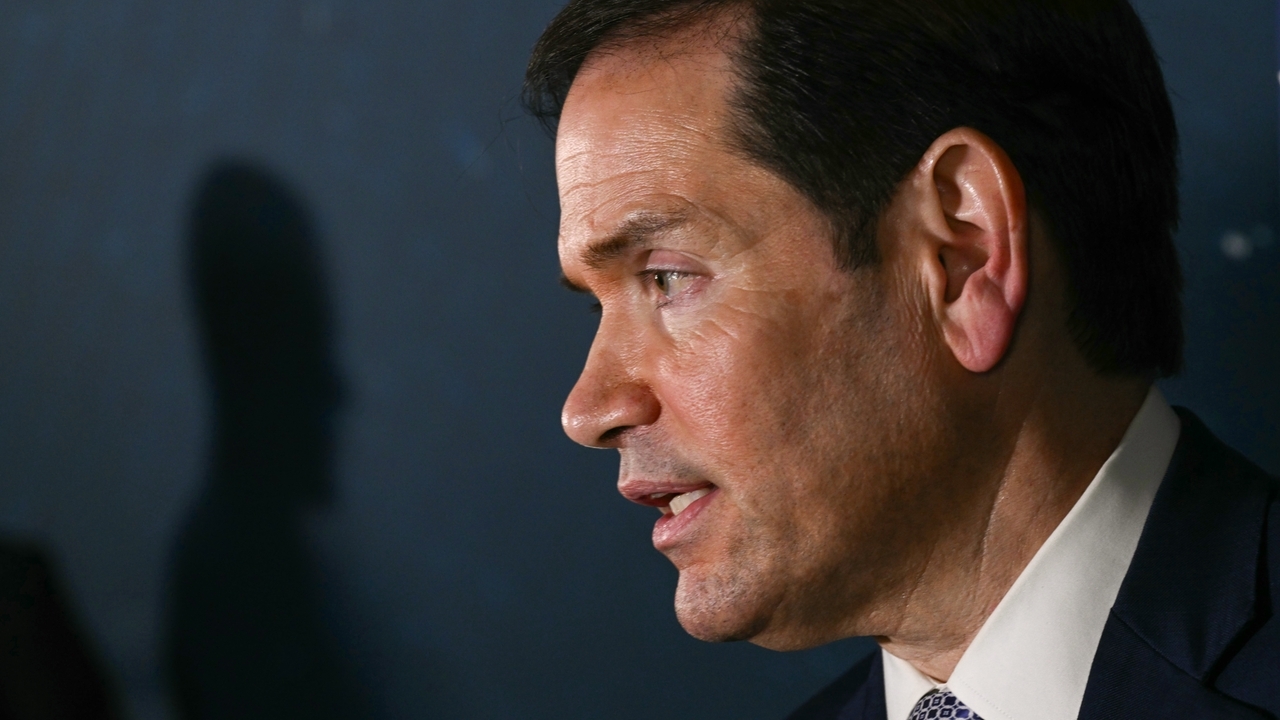
The United States is expected to sign a nuclear cooperation agreement with Saudi Arabia as early as Wednesday, according to Associated Press. The deal could give Saudi Arabia the ability to enrich uranium on its own soil for a civilian nuclear program — a move that raises serious proliferation concerns.
Secretary of State Marco Rubio pushed back on those concerns Sunday. He said the US would not sign any deal that "leads to nuclear proliferation" or sparks a nuclear arms race in an already volatile Middle East, according to Newsday.
What the Saudi Nuclear Deal Actually Includes
The agreement would allow for a joint US-Saudi study on building a uranium enrichment facility inside Saudi Arabia, according to WSLS. Uranium enrichment is the process of preparing uranium so it can generate power — or, at higher levels, be used in a weapon. Giving Saudi Arabia that capability has alarmed nonproliferation experts for years.
Notably, the deal is not expected to include the International Atomic Energy Agency's Additional Protocol, according to Click On Detroit. That protocol allows inspectors to conduct broader monitoring and surprise inspections. Without it, the world has fewer tools to verify Saudi Arabia is not diverting nuclear material toward weapons.
Rubio Defends the Deal Amid Proliferation Fears
Rubio defended the agreement on Sunday. He said the US is "not going to sign agreements that lead to the proliferation" of nuclear weapons, according to KDH News. He framed the deal as a way to give Saudi Arabia access to civilian nuclear energy without handing the kingdom a path to a bomb.
Critics are skeptical. Saudi Crown Prince Mohammed bin Salman said in 2018 that if Iran builds a nuclear weapon, Saudi Arabia will get one too. That statement has hung over US-Saudi nuclear talks ever since. The lack of an Additional Protocol in this deal adds fuel to those concerns.
Congress Could Block the Agreement Before It Takes Effect
The deal is expected to be submitted to Congress for review, according to Union Bulletin. Under US law, nuclear cooperation agreements — sometimes called "123 agreements" after a section of the Atomic Energy Act — must go through a congressional review period. Lawmakers can pass a joint resolution to block the deal.
Opposition is likely. Some senators have previously pushed for Saudi Arabia to sign a "gold standard" pledge — agreeing to never enrich uranium or reprocess spent fuel. The current deal does not appear to include that commitment, setting up a potential showdown on Capitol Hill.
Deal Comes as US Wages War Against Iran Over Its Nuclear Program
The timing is striking. The announcement comes while the US is engaged in military action against Iran, partly to stop Tehran from building a nuclear weapon, according to Winnipeg Free Press. Washington is fighting one country over nuclear ambitions while potentially helping a neighbor develop enrichment capability.
That contrast puts the White House in a difficult spot. Rubio will need to convince Congress — and US allies — that a nuclear deal with Saudi Arabia makes the region safer, not more dangerous. The window for doing that may be narrow, with the expected signing just days away.
Sentiment
NeutralNEGATIVENEUTRALPOSITIVE
Publishers
10
Articles
10
Reach
10
Topics
A
AnonymousAuthor


