Teacher Misconduct Reforms
Washington OSPI Proposes Policy Changes to Strengthen State's Response to Teacher Misconduct Allegations
Anonymous
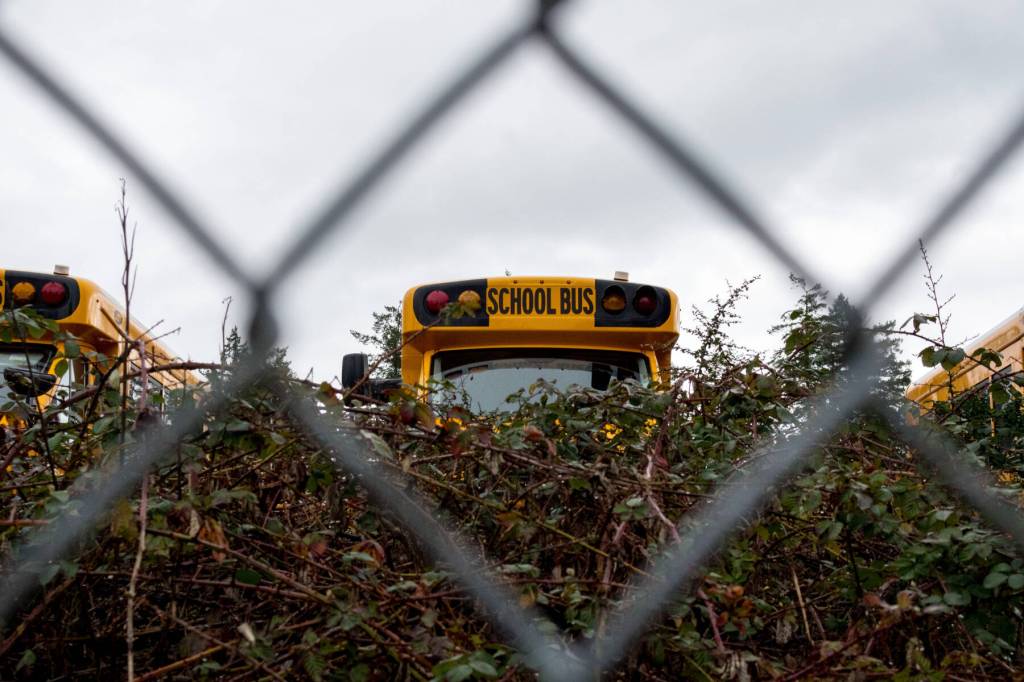
Washington's top education official is pushing for sweeping changes to how the state handles sexual misconduct allegations against teachers. The Office of Superintendent of Public Instruction (OSPI) has proposed new rules that would give the state more power to act — even when school districts stay silent, according to Mercer Island Reporter.
The proposals are under review by the Professional Educator Standards Board. If adopted, they would mark one of the most significant updates to teacher misconduct oversight in recent memory.
State Would Gain Power to Investigate Without District Reports
The most significant proposed change would let OSPI launch its own investigation if a school district fails to report alleged misconduct. Right now, the state largely depends on districts to flag problems. That gap has allowed some cases to go unreported, Seattle Weekly noted.
Under the new rules, districts would have a strict 30-day deadline to report potential misconduct to the state. Missing that deadline could trigger a state-led probe. The proposal puts real teeth into a system critics say has been too slow and too passive.
Key Definitions Expanded to Close Legal Loopholes
The proposed rules also update who counts as a "student" under state law. They also expand what qualifies as improper digital communication between a teacher and a student. Both definitions have been cited as gaps that make it harder to discipline or revoke the licenses of offending educators, according to Issaquah Reporter.
Clearer definitions matter in misconduct cases. Vague language has historically let some educators avoid punishment by arguing their conduct did not technically meet the legal standard. The updated rules aim to close those gaps.
Unanswered Questions About How the System Would Work
Despite the ambitious scope, critics note the proposed rules leave key details unclear. Most notably, the rules do not spell out what counts as "sufficient information" for the state to open an investigation without a formal complaint from a district, Courier-Herald reported.
That vagueness could create problems in practice. Without a clear threshold, it may be hard for OSPI to justify stepping in — or hard for districts to know when they are legally required to act. Advocates and legal experts will likely push for more specifics before the rules are finalized.
OSPI Moves to Strengthen Statewide Accountability for Educators
OSPI oversees educator licensing across Washington state. Its push for stronger misconduct rules comes amid broader national scrutiny of how schools handle abuse allegations. The Professional Educator Standards Board must approve any changes before they become official policy, according to Mercer Island Reporter.
The proposed changes signal that state leaders want to shift more accountability to Olympia rather than leaving it entirely in the hands of local districts. Whether the board approves the full package — or waters it down — remains to be seen.
Sentiment
NeutralNEGATIVENEUTRALPOSITIVE
Publishers
6
Articles
5
Reach
6
Topics
A
AnonymousAuthor


