FIFA Independence Challenged
Infantino Defends FIFA Independence and Balogun Ruling Amid Trump Call and RBFA Backlash
Anonymous
Key Points
1
RBFA publicly challenged FIFA's Balogun decision, saying it conflicted with key provisions and was not accompanied by a formal explanation, and that they are exploring all legal options. They cited Article 66.4 of the FIFA Disciplinary Code and Article 10.5 of the FIFA World Cup 2026 Regulations, plus Circular No. 16 as the basis for their stance.
2
The head of FIFA's Disciplinary Committee issued a statement reinforcing the body's independence, saying decisions are made after considering all circumstances and available evidence, with specific details not disclosed.
3
Reactions from key figures highlighted the controversy: Belgium coach Rudi Garcia suggested the Balogun decision felt like an April Fool's joke, while Norway coach Stale Solbakken called it a 'big mistake' by FIFA.
4
Infantino has noted that he regularly discusses World Cup matters with the U.S. president and stressed that, despite such conversations, FIFA's independent judicial bodies will decide the Balogun case in due course and that autonomy must be respected.
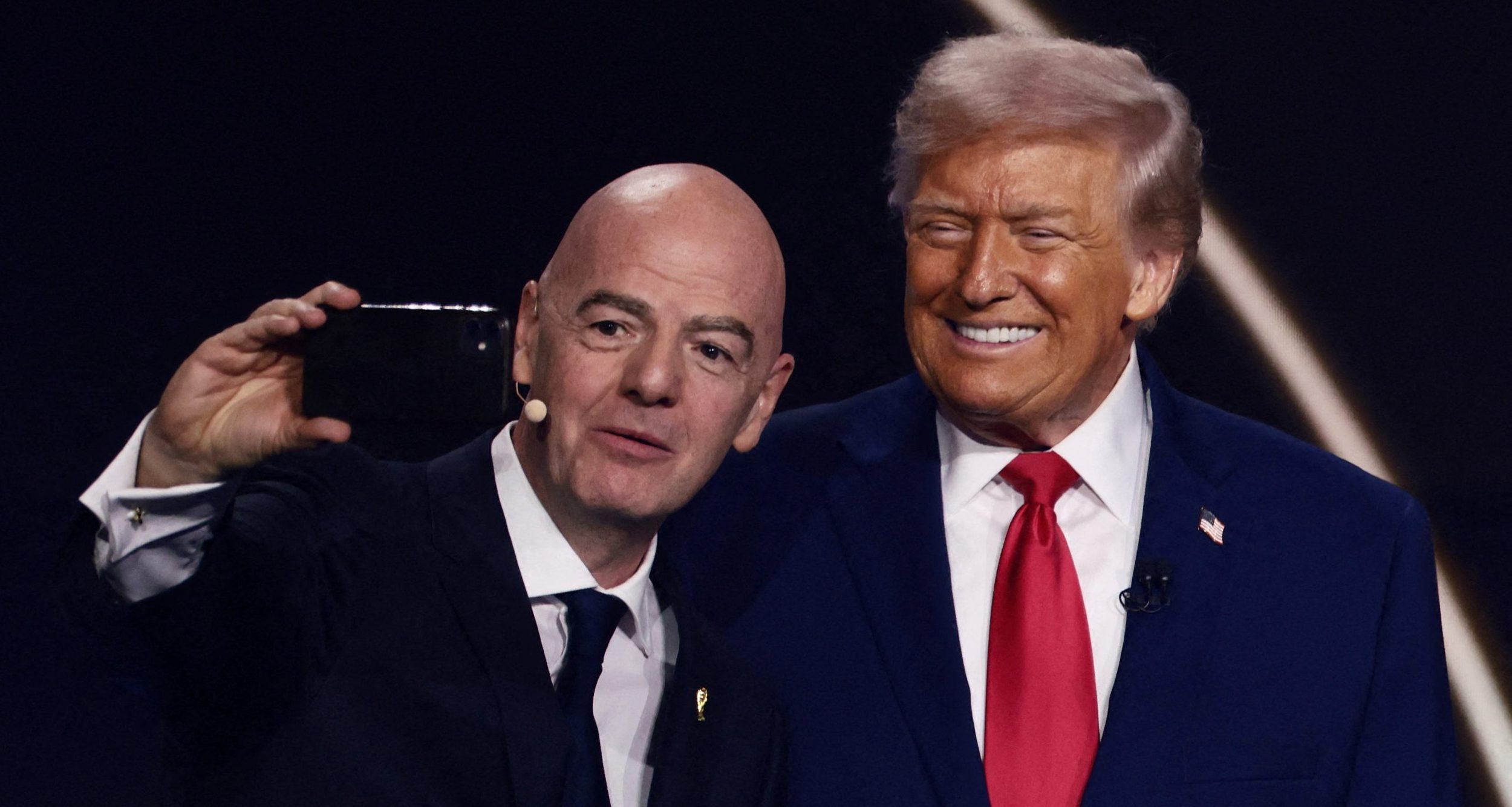
FIFA president Gianni Infantino confirmed that Donald Trump called him about Folarin Balogun's red card suspension — and then insisted it made no difference. FIFA's Disciplinary Committee suspended Balogun's automatic one-match ban, allowing the U.S. striker to play in the Round of 16 against Belgium. The decision set off a firestorm of accusations that Trump's call had influenced the outcome, accusations Infantino flatly rejected. The New York Times reported Infantino said the process was "independent, autonomous" and free from political pressure.
The backlash was swift. Belgium's Football Association publicly challenged the ruling, and coaches from across the tournament weighed in. The controversy has thrust FIFA's governance and the integrity of its disciplinary rules into the spotlight at one of the most watched World Cups in history.
Trump Called Infantino, But FIFA Says It Changed Nothing
Infantino confirmed he received a direct call from Trump about the Balogun case. He did not deny the conversation happened. Instead, he stressed that such calls are routine. According to Awful Announcing, Infantino said he "regularly discusses World Cup matters" with the U.S. president and that these conversations have no bearing on judicial decisions. FIFA's independent bodies, he said, will decide the case "in due course."
The head of FIFA's Disciplinary Committee backed Infantino up. The committee issued a statement saying all decisions are made after reviewing every available circumstance and piece of evidence. Specific case details were not disclosed. Yahoo Sports reported that Infantino described the body as operating fully autonomously from FIFA's executive leadership.
Belgium Cites Three Specific Rules FIFA Appeared to Ignore
The Royal Belgian Football Association did not just complain — it cited chapter and verse. The RBFA pointed to Article 66.4 of the FIFA Disciplinary Code, Article 10.5 of the FIFA World Cup 2026 Regulations, and FIFA Circular No. 16 as rules that directly conflict with the Balogun ruling. The association said FIFA provided no formal written explanation for why those rules were set aside.
The RBFA said it is now "exploring all legal options." Their core argument is simple: a red card means an automatic one-match ban. Suspending that ban for a full year — meaning Balogun faces no immediate punishment — appears to contradict established regulations. Without a formal explanation from FIFA, Belgium says it has no way to understand how the decision was reached.
Coaches Call the Decision a 'Big Mistake' and an April Fool's Joke
The reaction from coaches was blunt. Belgium manager Rudi Garcia said the Balogun ruling felt like "an April Fool's joke." Norway coach Stale Solbakken went further, calling it a "big mistake" by FIFA. Malaysia Yahoo News noted that the criticism spread well beyond Belgium, with multiple national team coaches questioning how FIFA's disciplinary rules can be applied so differently from case to case.
Balogun was the standout player for the U.S. at the tournament, according to Cairns Post. His red card came during the group stage match against Bosnia-Herzegovina. Without the suspension reversal, he would have missed the Belgium knockout game entirely. Critics argue that the timing and the Trump call make the decision look less like independent justice and more like political convenience.
FIFA's Credibility on the Line as World Cup Knockout Stage Begins
The dispute goes beyond one player or one game. FIFA is hosting the World Cup on U.S. soil for the first time, with enormous political and commercial stakes tied to American success in the tournament. Critics say that context makes it harder to accept claims of total independence when the U.S. president is calling the FIFA president and a U.S. player's ban is lifted days later.
Infantino has not backed down. He says FIFA's judicial system must be respected and that its autonomy is what gives the game its integrity. The New York Times reported he argued that outside pressure — from governments, associations, or anyone else — cannot and should not shape disciplinary outcomes. Whether the broader football world believes him may depend on whether FIFA ever publishes a clear legal explanation for its ruling.
Sentiment
Mostly NegativeNEGATIVENEUTRALPOSITIVE
Publishers
12
Articles
48
Reach
60
A
AnonymousAuthor


