Quebec Referendum Delayed
Parti Québécois Delays Sovereignty Referendum, Citing Trump Presidency and Domestic Priorities
Key Points
Alberta separatist sentiment has surfaced, with voters in Alberta deciding on Oct. 19 whether the province should take steps toward a binding referendum on leaving Canada.
Quebec already has significant autonomy, including being about 80% French-speaking, collecting its own income tax, immigration policies favoring French speakers, and laws giving French priority over English.
The Parti Québécois has governed Quebec several times without holding a referendum, suggesting that sovereignty votes have not always been central to PQ governance.
A Leger poll cited by The Globe and Mail suggested sovereignty support could rise to about 39% if the PQ abandons its referendum promise, highlighting a potential political risk in sticking to the referendum timetable.
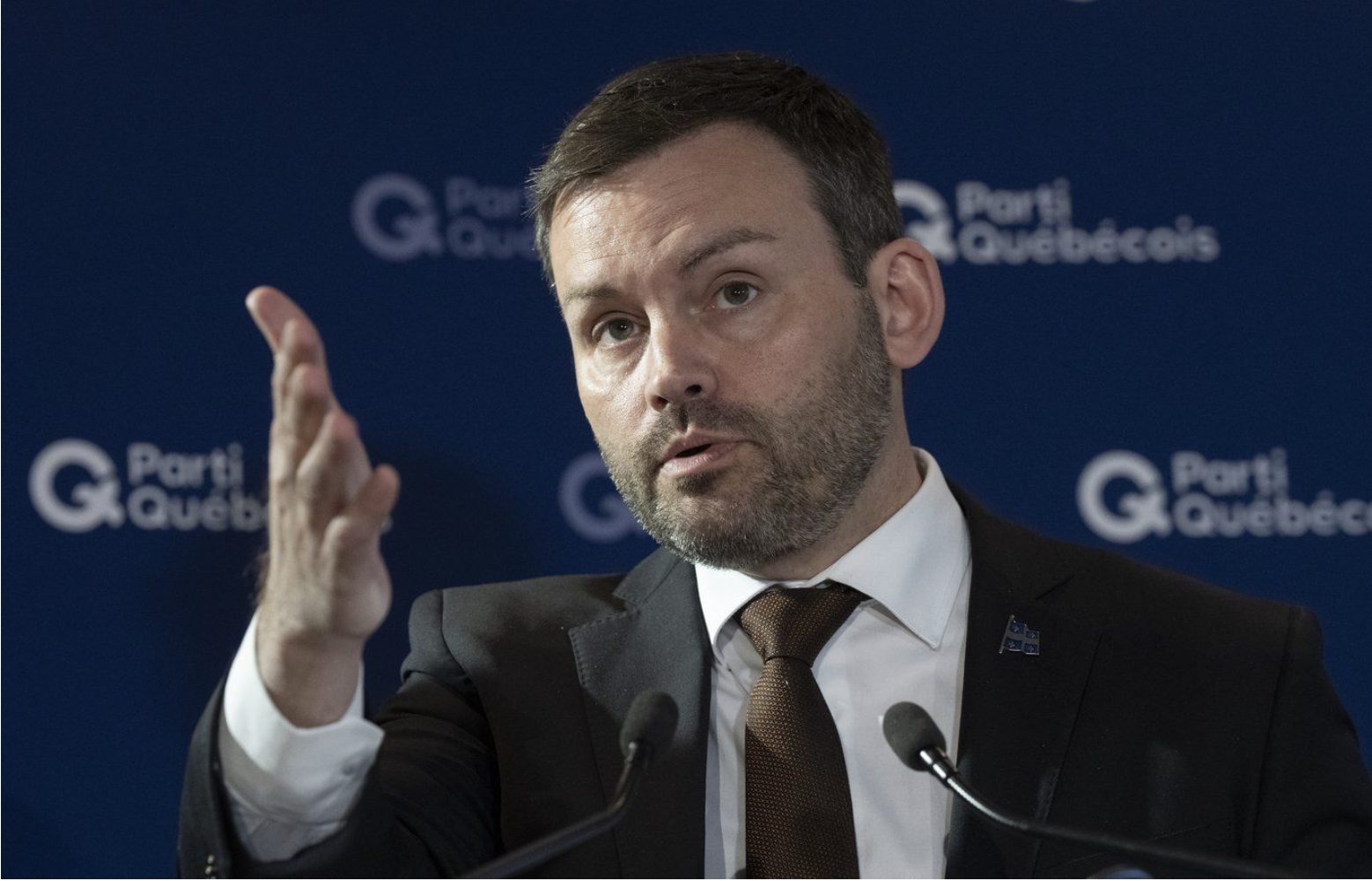
Quebec's separatist Parti Québécois will not hold an independence referendum while Donald Trump sits in the White House. Party leader Paul St-Pierre Plamondon announced the delay on Tuesday, pushing any possible sovereignty vote to after January 20, 2029 — the last day of Trump's second term. The Independent reported the decision marks a significant shift in how the PQ plans to campaign.
Plamondon said he wants any referendum to happen in a "calm, informed" setting — not one clouded by American political chaos. The PQ still plans to hold a vote during its first term in office, but only once Trump is gone. In the meantime, the party will focus its campaign on everyday issues like housing, health care, and the cost of living, according to iPolitics.
Trump's Shadow Looms Over the Sovereignty Debate
Trump has made the Quebec sovereignty debate much harder for the PQ. His tariff threats and repeated talk of making Canada the "51st state" have given federalists — those who want Quebec to stay in Canada — a powerful new argument. Leaving Canada during a trade war with the United States looks riskier than staying. Yahoo News noted that Trump's presidency has directly shaped how separatists must frame their case.
The PQ's answer is to wait Trump out. Plamondon argues that a referendum held now would get hijacked by fear over American politics rather than focusing on Quebec's future. By setting a hard deadline of January 20, 2029, the PQ hopes to keep the debate local and on its own terms, according to The Deep Dive.
PQ Leads in Polls but Sovereignty Support Stays Modest
The PQ is currently leading in Quebec polls with roughly 30% support. But overall support for full independence stays modest. A Leger poll cited by The Globe and Mail found something striking: if the PQ drops its referendum promise entirely, sovereignty support could actually rise to about 39%. That suggests many voters back the PQ despite the referendum plan, not because of it.
This puts Plamondon in a tricky spot. Stick too hard to the referendum timeline and he may lose voters. Walk away from it and he risks looking like a PQ leader who will never actually deliver independence. The party has governed Quebec before without ever holding a referendum, so voters have seen this pattern before, according to Daily Guardian.
Quebec's Unique Status Within Canada Shapes the Debate
Quebec already operates with far more independence than most Canadian provinces. About 80% of its residents speak French. The province collects its own income tax — something no other province does. It also runs its own immigration system, favoring French speakers. Provincial law gives French legal priority over English. These facts complicate the case that full sovereignty is urgently needed, noted iPolitics.
Still, the PQ argues that real sovereignty — full control over laws, taxes, and foreign policy — is the only way to protect Quebec's distinct culture long-term. Plamondon's strategy is to first prove the PQ can govern well, then make that case to voters in a calmer political climate, once Trump has left the stage.
Alberta Also Eyes Separation as Canada Faces Internal Strain
Quebec is not the only province wrestling with separatist feelings. Alberta voters are set to decide on October 19 whether the province should take formal steps toward a binding referendum on leaving Canada. The question reflects deep frustration in the West over federal energy and tax policies. Trump's provocations have stirred separatist sentiment across Canada, not just in Quebec, according to Yahoo News.
Analysts say Trump has unintentionally forced a national conversation about what it means to be Canadian — and whether Canada's current structure serves all its regions. For the PQ, the timing is both an opportunity and a complication. The goal now is to make Quebec sovereignty look like a rational, steady choice rather than a panicked reaction to events south of the border.
Sentiment
Mostly NegativePublishers
13
Articles
93
Reach
106


