Asteroid Life Clues
New Jersey Meteorite Crash Yields Unique Clues to Life's Origins from Ancient Asteroid
Anonymous
Key Points
1
Multiple independent observers captured the event: cameras in Northford, Connecticut; Douglassville, Pennsylvania; and Wayne, New Jersey, together with a Doppler radar at Newark Airport that detected a long cloud of falling pebbles from Staten Island into New Jersey, allowing scientists to trace the meteor's path back to the asteroid belt.
2
The preservation of the meteorite fragments was unusually careful: the homeowner stored pieces in glass jars using disposable gloves and aluminum foil, a method scientists say helped keep the samples pristine and uncontaminated by oils or moisture.
3
Researchers indicate the Hillsborough remnants belong to one of two primitive meteorite types, and they show preserved signatures from the near-surface region of a primitive asteroid that experienced concentrated salty fluids; this is a finding not previously known for this class of asteroid.
4
There has been inconsistency in reported size/mass of the meteor: some outlets described it as about 110 pounds (size of a heavy airline bag), while others reported a fragment weighing roughly 2 pounds, illustrating early confusion about the meteorite's actual extent.
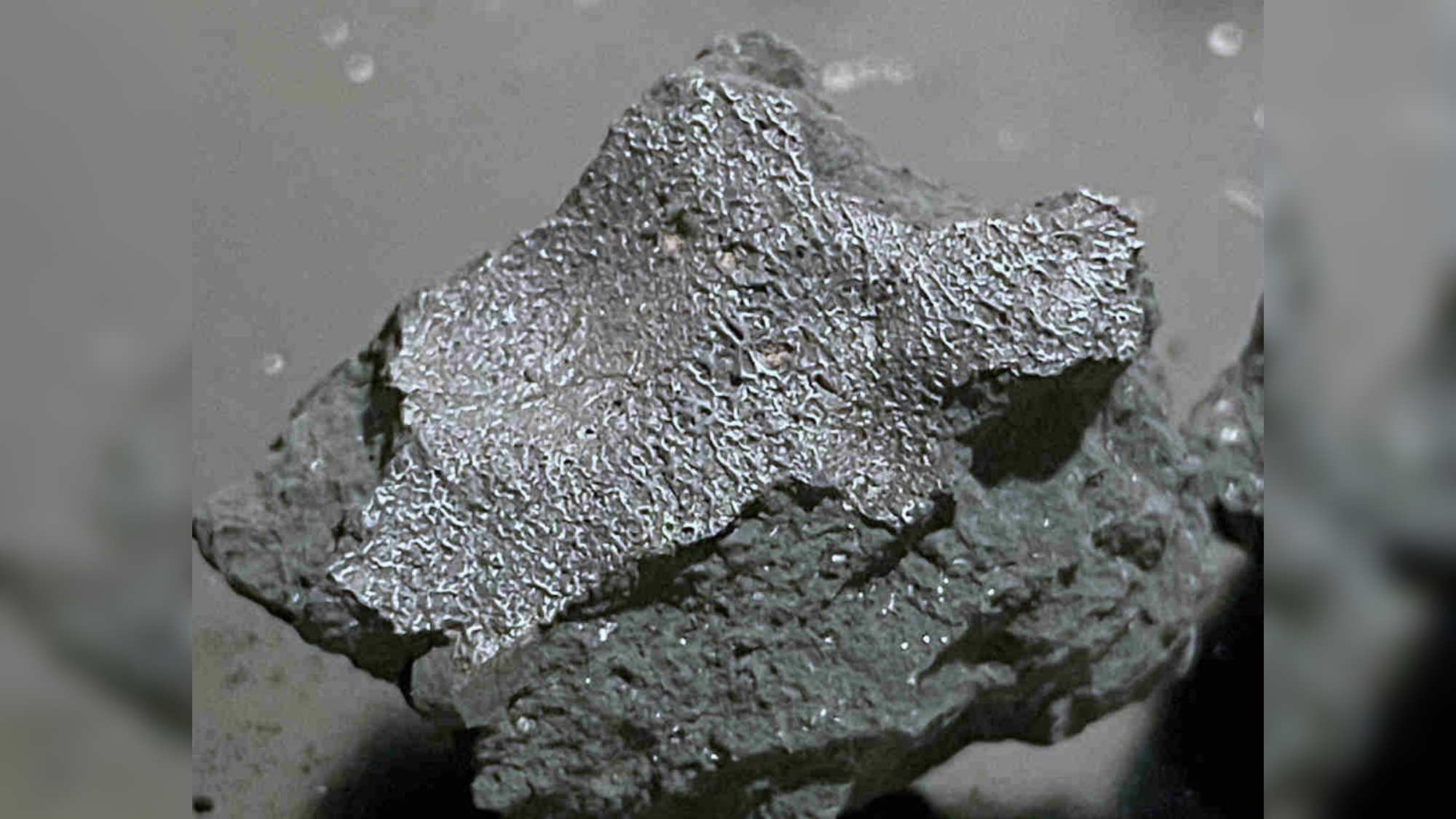
A meteorite that crashed through the roof of a New Jersey home in July 2024 has yielded a stunning discovery: organic compounds produced by concentrated salty fluids from the surface of a primitive asteroid, according to Space.com. Scientists say those compounds could be among the building blocks of life on Earth.
The rock, named the "Hillsborough" meteorite, struck a home in Hillsborough, New Jersey on July 16, 2024, when a meteor traveling at roughly 32,000 mph broke apart over the northeastern United States, according to NY Post. The findings were published in the journal Science Advances and involve researchers from the SETI Institute, NASA, and the American Museum of Natural History.
Meteor Streaks Over Northeast, Fragments Rain on New Jersey
On the evening of July 16, 2024, at least 60 observers watched the fireball race across the sky, according to NY Post. Cameras in Northford, Connecticut; Douglassville, Pennsylvania; and Wayne, New Jersey all captured the event. A Doppler radar at Newark Airport then detected a long cloud of falling pebbles stretching from Staten Island into New Jersey.
Using that radar data and the camera footage, scientists traced the meteor's path all the way back to the asteroid belt between Mars and Jupiter, according to Space.com. The rock entered Earth's atmosphere at high speed and broke into multiple pieces before hitting the Hillsborough home. The largest recovered fragment weighed roughly 2 pounds, though early reports described the total meteor as weighing about 110 pounds, according to Daily Star.
Homeowner's Quick Thinking Kept Samples Pristine
The homeowner did something unusual after spotting the fragments: they put on disposable gloves, wrapped the pieces in aluminum foil, and stored them in glass jars. Scientists say this careful handling was critical. Oils and moisture from bare hands can contaminate a meteorite within hours, destroying the very chemistry researchers want to study.
That fast action paid off. Researchers described the Hillsborough samples as unusually pristine, according to Space.com. The homeowner also quickly reported the find to authorities, getting the rocks into scientific hands before contamination could set in. Experts say finds like this are rare precisely because most meteorites are handled carelessly before scientists arrive.
Salty Fluids Inside the Rock Point to Life's Building Blocks
Inside the Hillsborough meteorite, researchers found organic compounds — carbon-based molecules tied to life. These compounds formed when salty water pooled near the surface of a primitive asteroid long ago, according to Daily Star. Scientists call this kind of chemistry a signature of "concentrated salty fluids," and it had never been seen before in this class of asteroid.
The discovery matters because asteroids have been crashing into Earth for billions of years. If those rocks carried similar organic compounds, they could have helped seed the conditions for life. NY Post reported that researchers described the find as "alien chemistry" — a preserved snapshot of early solar system chemistry that Earth lost long ago.
SETI and NASA Researchers Call the Find a Rare Window in Time
The research team includes scientists from the SETI Institute, NASA, and the American Museum of Natural History. They say the Hillsborough meteorite belongs to one of two primitive meteorite types — ancient rocks that formed early in the solar system's history and changed very little since. That makes them time capsules, preserving chemistry from over 4 billion years ago.
Space.com reported that the findings suggest meteorites like Hillsborough carry molecules that could have contributed to life forming on early Earth. The rock's near-surface origin on its parent asteroid is key: that region experienced concentrated salty water, a chemical environment now linked to the kinds of organic molecules life needs to get started.
Sentiment
Mostly NegativeNEGATIVENEUTRALPOSITIVE
Publishers
13
Articles
35
Reach
48
Topics
A
AnonymousAuthor


