Pre-Midterm Budget Risk
Thune warns advancing House GOP's $95 billion budget reconciliation proposal risks pre-midterm complications
Anonymous
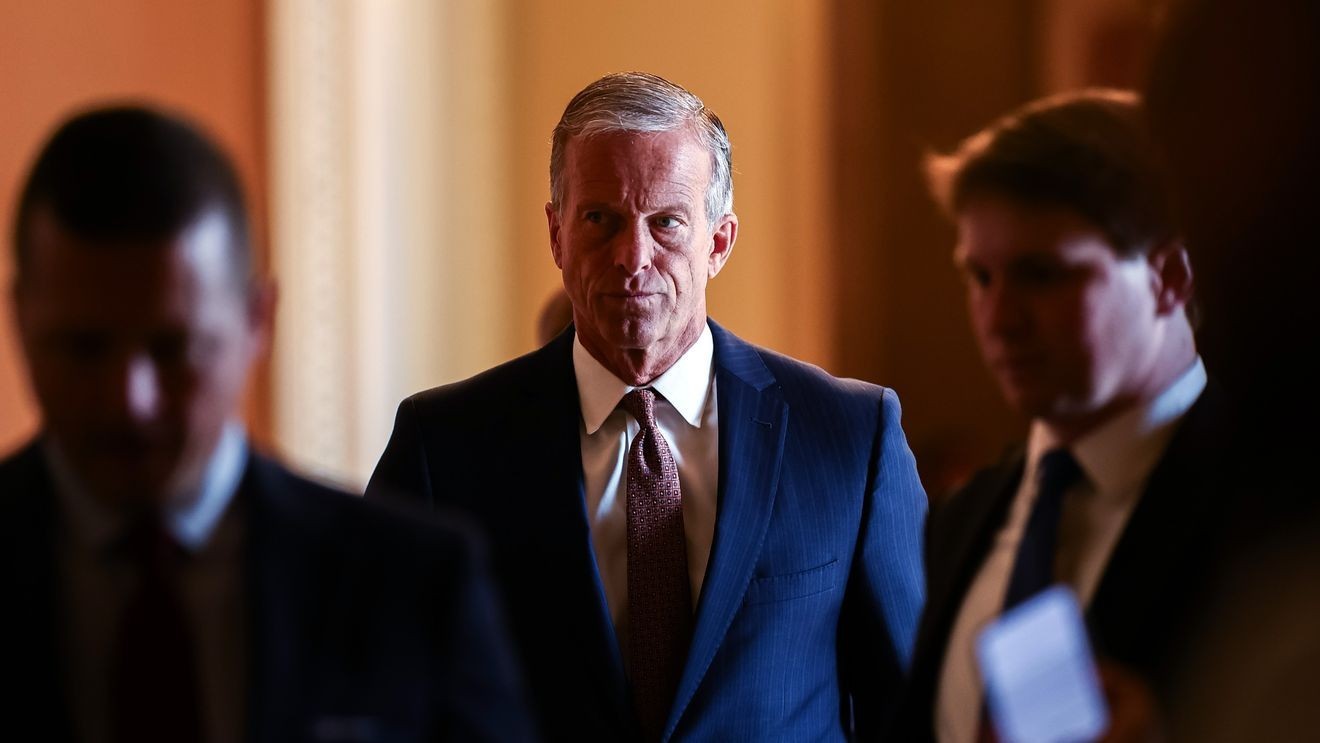
Senate Majority Leader John Thune has called it "risky" for the Senate to take up the House GOP's $95 billion budget reconciliation bill before the midterm elections, according to Bakersfield Now. The warning signals serious Republican divisions over how to move forward with the sweeping package.
The House proposal allocates $60 billion to the Armed Forces Committee, $73 billion for the Iran war, and $10 billion for election reforms. But Thune and other senators say those numbers — and the timing — are deeply problematic, KOMO News reported.
Defense Hawks Push Back Hard on $60B Military Figure
Senate defense hawks say the $60 billion earmarked for the Armed Services Committee is not nearly enough. Thune acknowledged their frustration directly. He warned that pushing the House bill through the Senate without addressing those concerns would be a serious mistake, according to WGME.
Defense spending is a top priority for many Senate Republicans. Any bill that falls short of their target risks losing their votes. With a narrow majority in the Senate, Republican leaders cannot afford many defections.
Democrats Ready 'Poison Pill' Votes to Split the GOP
Thune also raised alarms about Senate Democratic tactics. He warned that Democrats plan to force votes on what he called "poison pill" amendments — proposals designed to fracture Republican unity, Idaho News reported. One key example: a move to restore cuts to the Supplemental Nutrition Assistance Program, commonly known as food stamps.
These forced votes could put vulnerable Republican senators in a tough spot ahead of November. Voting to cut food assistance is politically dangerous. Voting against it could undermine the overall package. That is exactly the bind Democrats want to create.
Tillis Threatens 'No' Vote Over Rushed Election Rules
Sen. Thom Tillis, R-N.C., added another obstacle. He threatened to vote against the entire package if it forces states to adopt new voting rules before the November elections, according to Fox San Antonio. The bill includes $10 billion tied to election reforms, making Tillis's threat a real roadblock.
States need time to prepare for major election changes. Tillis argued that rushing new rules into place before midterms is both impractical and unfair. His opposition is significant — Senate Republicans can only lose a handful of votes and still pass legislation.
What Happens Next for the $95B Package
The path forward for the $95 billion reconciliation bill remains unclear. Thune has not said the bill is dead, but his "risky" warning suggests the Senate will not simply rubber-stamp the House version. Significant changes to defense funding levels appear likely before the Senate acts, News Channel 9 reported.
The bill also includes $73 billion for the ongoing Iran war effort — a major line item that could generate its own debate. With internal Republican disagreements on defense spending, election rules, and food assistance cuts, Senate leaders face a complex balancing act heading into a politically charged election season.
Sentiment
NeutralNEGATIVENEUTRALPOSITIVE
Publishers
11
Articles
10
Reach
11
Topics
A
AnonymousAuthor


